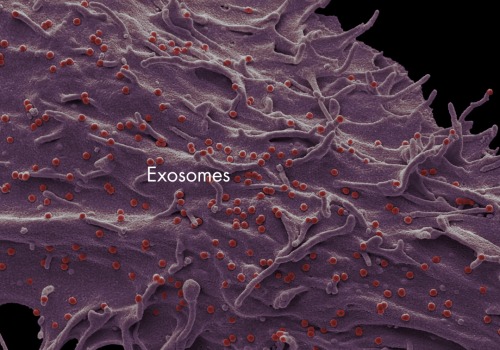
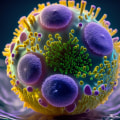
Extracellular vesicles (EVs) are small, membrane-bound structures released by various cell types into the extracellular space. These vesicles play a pivotal role in intercellular communication, facilitating the transfer of proteins, lipids, and nucleic acids between cells. Among the different types of EVs, exosomes—which range from 30 to 150 nanometers in diameter—are particularly noteworthy due to their unique biogenesis and functional properties. Formed within the endosomal system, exosomes are secreted when multivesicular bodies fuse with the plasma membrane, allowing them to carry molecular signatures reflective of their cell of origin.
This characteristic makes exosomes a focal point in the search for novel biomarkers.The significance of exosomes extends beyond mere cellular communication; they have emerged as promising candidates for disease diagnosis and monitoring. Their presence in various biological fluids, including blood, urine, and saliva, provides a non-invasive means to assess physiological and pathological states. As they encapsulate specific molecular profiles from their parent cells, exosomes can serve as indicators of disease progression, treatment response, and even therapeutic targets. This potential is particularly evident in conditions such as cancer, cardiovascular diseases, and neurodegenerative disorders.In recent years, research has increasingly focused on elucidating the role of exosomes in disease mechanisms and their utility as biomarkers.
The ability to isolate and analyse these vesicles has opened new avenues for understanding complex biological processes and developing precision medicine strategies. By identifying specific exosomal contents associated with particular diseases, clinicians can enhance diagnostic accuracy and tailor treatment approaches to individual patient needs.As we delve deeper into the world of extracellular vesicles and exosomes, it becomes clear that their multifaceted roles in health and disease warrant further exploration. Understanding how these vesicles function not only enriches our knowledge of cellular communication but also holds the key to unlocking innovative diagnostic tools that could revolutionise patient care.
Understanding Extracellular Vesicles: Types and Functions
Extracellular vesicles (EVs) are a diverse group of membrane-bound structures released by cells into the extracellular environment. They play pivotal roles in intercellular communication and have garnered significant attention for their potential as biomarkers in various diseases.Understanding the different types of EVs, particularly exosomes, microvesicles, and apoptotic bodies, is essential for appreciating their biological functions and implications in health and disease.
Types of Extracellular Vesicles
- Exosomes: These are small vesicles, typically ranging from 30 to 150 nm in diameter, formed within the endosomal system. They are released when multivesicular bodies fuse with the plasma membrane. Exosomes are rich in proteins, lipids, and nucleic acids, including microRNAs, which can influence recipient cells by transferring molecular signals.
- Microvesicles: Also known as ectosomes or shedding vesicles, microvesicles are larger than exosomes, measuring between 100 nm to 1 µm. They are formed by the outward budding of the plasma membrane and contain a variety of bioactive molecules that reflect the physiological state of their parent cells.
- Apoptotic Bodies: These vesicles are released during programmed cell death (apoptosis) and can vary significantly in size (1 to 5 µm).
They contain cellular debris and can elicit immune responses, playing a role in tissue homeostasis and inflammation.
Functions of Exosomes
Exosomes serve multiple functions that are crucial for maintaining cellular homeostasis and facilitating communication between cells:
- Cell Communication: Exosomes carry proteins and genetic material that can modulate the behaviour of recipient cells, influencing processes such as proliferation, differentiation, and immune responses.
- Biomarker Potential: Due to their stability in body fluids and ability to reflect the physiological state of their parent cells, exosomes are being explored as non-invasive biomarkers for various diseases, including cancer and cardiovascular conditions.
- Therapeutic Applications: The unique properties of exosomes make them promising candidates for drug delivery systems. Their ability to encapsulate therapeutic agents while protecting them from degradation enhances the efficacy of treatments.
The Mechanisms Behind Exosome Release and Uptake
Exosomes, a subtype of extracellular vesicles, are pivotal in facilitating intercellular communication. Their release and uptake are governed by intricate biological mechanisms that ensure the effective transfer of molecular information between cells.Understanding these processes is crucial for leveraging exosomes as potential biomarkers in various diseases.
Mechanisms of Exosome Release
- Biogenesis: Exosomes originate from the endosomal system. Initially, the inward budding of the plasma membrane forms early endosomes, which then mature into multivesicular bodies (MVBs). These MVBs can either fuse with lysosomes for degradation or be transported to the plasma membrane, where they release exosomes into the extracellular space.
- Regulatory Factors: The release of exosomes is influenced by various factors, including cellular stress, hypoxia, and changes in the microenvironment. For instance, cancer cells often exhibit enhanced exosome release in response to stressors, which can facilitate tumor progression and metastasis.
- Protein Involvement: Specific proteins play critical roles in exosome formation and release.
Tetraspanins, such as CD63 and CD81, are commonly found on exosomes and are involved in their biogenesis and membrane fusion processes.
Uptake Mechanisms of Exosomes
- Endocytosis: Once released, exosomes can be taken up by recipient cells through various endocytic pathways. This includes clathrin-mediated endocytosis, caveolin-mediated endocytosis, and macropinocytosis. The choice of pathway often depends on the type of recipient cell and the specific cargo carried by the exosome.
- Receptor-Mediated Interactions: Exosome uptake is also facilitated by interactions between surface proteins on exosomes and receptors on target cells. For example, integrins and lectins can mediate specific binding to target cells, enhancing internalisation efficiency.
- Membrane Fusion: In some cases, exosomes can directly fuse with the plasma membrane of recipient cells, allowing for the immediate transfer of their contents into the cytoplasm.
This mechanism is particularly significant in immune responses where rapid communication is essential.
Exosomes as Biomarkers: Current Research and Applications
Exosomes, a subtype of extracellular vesicles, have emerged as promising biomarkers in the realm of medical diagnostics. Their unique properties, including their ability to encapsulate and transport proteins, lipids, and nucleic acids, make them invaluable in the identification and monitoring of various diseases.Recent studies have highlighted the potential of exosomes in liquid biopsies, a minimally invasive technique that allows for the analysis of biomarkers from body fluids such as blood, urine, and saliva.This approach is particularly advantageous for cancer detection, where exosomes derived from tumour cells can provide insights into the tumour's molecular profile. For instance, research has shown that exosomal microRNAs can serve as indicators of tumour presence and progression, enabling early diagnosis and tailored treatment strategies.In addition to oncology, exosomes are gaining traction in the field of cardiovascular diseases. Elevated levels of specific exosomal markers have been associated with conditions such as atherosclerosis and myocardial infarction. These vesicles can reflect the state of endothelial dysfunction and inflammation, offering a non-invasive means to assess cardiovascular health.
Studies have demonstrated that exosomes released from endothelial cells can carry signals indicative of vascular injury, thus serving as potential biomarkers for cardiovascular risk assessment.Moreover, the role of exosomes in neurodegenerative disorders is an area of active investigation. Exosomes derived from neuronal cells have been found to contain proteins and RNAs linked to diseases such as Alzheimer’s and Parkinson’s. Their presence in cerebrospinal fluid and blood suggests they could be used to monitor disease progression or response to therapy.The versatility of exosomes as biomarkers is further enhanced by advancements in isolation and characterization techniques. Methods such as ultracentrifugation, size-exclusion chromatography, and immunoaffinity capture are being refined to improve the yield and purity of exosomal preparations.
This progress is crucial for ensuring that the biomarkers identified are reliable and reproducible across different studies.In conclusion, the current research underscores the potential of exosomes as biomarkers across a spectrum of diseases. Their application in liquid biopsies not only facilitates early detection but also paves the way for personalised medicine approaches that could significantly improve patient outcomes.
Advantages of Using Exosomes as Biomarkers
Exosomes, a subtype of extracellular vesicles, have emerged as promising biomarkers in various fields of medicine, particularly in diagnostics. Their unique properties offer several advantages over traditional biomarkers, making them a focal point of research and clinical application.One of the primary benefits of using exosomes as biomarkers is their stability in body fluids. Unlike many conventional biomarkers that can degrade quickly or require specific conditions for preservation, exosomes are remarkably resilient.They can be found in various biological fluids such as blood, urine, saliva, and cerebrospinal fluid, maintaining their integrity over time. This stability allows for more reliable measurements and analyses, which is crucial for accurate diagnostics.Moreover, exosomes carry a wealth of information reflective of their parent cells. They encapsulate proteins, lipids, and nucleic acids that mirror the physiological state of the originating cells. This characteristic enables exosomes to serve as a real-time snapshot of cellular processes and disease states.
For instance, changes in the molecular composition of exosomes can indicate the progression of diseases such as cancer or cardiovascular conditions, providing insights that traditional biomarkers may not capture.Another significant advantage is the non-invasive nature of exosome sampling. Traditional diagnostic methods often involve invasive procedures such as biopsies or blood draws that can be uncomfortable for patients. In contrast, exosome isolation from non-invasive sources like saliva or urine presents a more patient-friendly alternative. This ease of access not only enhances patient compliance but also allows for repeated sampling over time to monitor disease progression or response to treatment.Furthermore, the ability to isolate exosomes from various sources facilitates the development of liquid biopsies , which are becoming increasingly important in oncology and other fields.
Liquid biopsies enable clinicians to obtain critical information about tumours without the need for invasive surgical procedures. This approach can lead to earlier detection of malignancies and better-informed treatment decisions.In summary, the advantages of using exosomes as biomarkers include their stability in body fluids, ability to reflect the physiological state of cells accurately, and potential for non-invasive sampling. These features position exosomes as valuable tools in modern diagnostics, paving the way for advancements in precision medicine and improved patient outcomes.
Challenges and Limitations in Exosome Research
Research into exosomes has gained significant momentum due to their potential as biomarkers for various diseases, including cancer and cardiovascular conditions. However, several challenges and limitations hinder the progress of exosome research, necessitating a closer examination of these issues.One of the primary challenges is the isolation techniques used to extract exosomes from biological fluids.Current methods, such as ultracentrifugation, precipitation, and size-exclusion chromatography, often yield exosome populations that are not only contaminated with proteins and other cellular debris but also vary in purity and yield. This contamination can lead to inaccurate assessments of exosomal content and function, complicating their use as reliable biomarkers.Moreover, the heterogeneity of exosome populations presents another significant hurdle. Exosomes can originate from various cell types and exhibit diverse sizes, compositions, and surface markers. This variability makes it challenging to standardise protocols for their isolation and characterisation.
As a result, different studies may report conflicting findings regarding the role of specific exosomal markers in disease processes.Furthermore, the lack of established standardisation in exosome research complicates comparisons across studies. Without universally accepted protocols for isolation, characterisation, and analysis, it becomes difficult to validate findings or establish consensus on the clinical utility of exosomes as biomarkers.To address these challenges, future directions in exosome research should focus on developing more refined isolation techniques that enhance purity and yield while minimising contamination. Additionally, implementing standardised protocols for characterising exosomes will facilitate more reliable comparisons between studies. Advances in technologies such as microfluidics and nanotechnology may also provide innovative solutions for isolating and analysing exosomes with greater specificity.In conclusion, while the potential of exosomes as biomarkers is promising, overcoming these challenges is crucial for translating research findings into clinical applications.
By addressing issues related to isolation techniques, heterogeneity, and standardisation, researchers can pave the way for more effective use of exosomes in diagnostics and therapeutics.
Case Studies: Exosomes in Cancer Diagnosis and Monitoring
Exosomes, a subtype of extracellular vesicles, have emerged as pivotal players in the realm of cancer diagnosis and monitoring. Their ability to encapsulate and transport biomolecules such as proteins, lipids, and nucleic acids makes them invaluable for understanding the molecular landscape of tumours. Here, we explore several case studies that highlight the transformative potential of exosomes in clinical oncology.Case Study 1: Exosomal miRNAs in Breast Cancer
A study published in Clinical Cancer Research investigated the role of exosomal microRNAs (miRNAs) as biomarkers for breast cancer. Researchers isolated exosomes from the serum of patients diagnosed with breast cancer and healthy controls.
They identified a distinct profile of miRNAs that were significantly elevated in the cancer patients. Notably, miR-21 and miR-155 were found to correlate with tumour stage and patient prognosis. This study underscores the potential of exosomal miRNAs not only as diagnostic tools but also as indicators of disease progression.
Case Study 2: Exosomes in Prostate Cancer Monitoring
In another compelling case, researchers focused on prostate cancer patients undergoing treatment. They analysed exosomes derived from urine samples to monitor treatment response.
The study revealed that changes in the levels of specific proteins within these exosomes correlated with therapeutic efficacy. For instance, a decrease in exosomal PSA (prostate-specific antigen) levels was associated with positive treatment outcomes, suggesting that urinary exosomes could serve as non-invasive biomarkers for monitoring prostate cancer therapy.
Case Study 3: Liquid Biopsy for Lung Cancer
A groundbreaking study explored the use of exosomes in lung cancer diagnosis through liquid biopsy techniques. By isolating exosomes from plasma samples, researchers were able to detect mutations in the EGFR gene, which is critical for targeted therapies in lung cancer. This approach not only facilitated early diagnosis but also provided insights into potential resistance mechanisms to treatment, thereby guiding personalised therapeutic strategies.These case studies illustrate the remarkable versatility of exosomes as biomarkers in oncology.
Their ability to reflect the molecular characteristics of tumours offers a promising avenue for enhancing diagnostic accuracy and monitoring treatment responses. As research continues to evolve, the integration of exosomal analysis into routine clinical practice could significantly improve patient outcomes and pave the way for more tailored therapeutic approaches.
The Future of Exosome Research: Innovations and Perspectives
The field of exosome research is rapidly evolving, driven by technological advancements and a growing understanding of their biological significance. As we look to the future, several innovations are poised to enhance the utility of exosomes as biomarkers and therapeutic agents.One of the most promising areas of development is the refinement of isolation techniques. Traditional methods such as ultracentrifugation, while effective, can be time-consuming and may not yield pure populations of exosomes.Emerging techniques, including microfluidics and affinity-based methods, offer the potential for faster and more efficient isolation. These innovations could lead to higher yields of exosomes with better purity, facilitating more accurate biomarker discovery.Furthermore, advancements in omics technologies , such as proteomics and genomics, are enabling researchers to comprehensively profile the molecular content of exosomes. By analysing proteins, lipids, and nucleic acids within exosomes, scientists can identify specific biomarkers associated with various diseases. This multi-omics approach not only enhances our understanding of disease mechanisms but also aids in the development of targeted therapies.Another exciting prospect is the integration of artificial intelligence (AI) and machine learning in exosome research.
These technologies can analyse vast datasets generated from exosomal studies, identifying patterns and correlations that may not be immediately apparent to human researchers. AI-driven algorithms could streamline the biomarker discovery process, leading to quicker identification of potential diagnostic tools.Moreover, the potential applications of exosomes extend beyond diagnostics. Their natural ability to transport biomolecules makes them ideal candidates for drug delivery systems. Future research may focus on engineering exosomes to enhance their targeting capabilities or to load them with therapeutic agents.
This could revolutionise treatment strategies for a range of conditions, including cancer and neurodegenerative diseases.In conclusion, the future of exosome research is bright, with innovations in isolation techniques, omics profiling, AI integration, and drug delivery systems paving the way for new applications. As our understanding deepens and technologies advance, exosomes are likely to play an increasingly vital role in biomarker discovery and therapeutic interventions.
Conclusion: The Promise of Exosomes as Biomarkers
In summary, the exploration of exosomes as biomarkers has unveiled a promising frontier in the realm of disease diagnosis and monitoring. Throughout this article, we have examined the multifaceted roles that exosomes play in intercellular communication, particularly in the context of various diseases, including cancer and cardiovascular conditions. Their ability to encapsulate and transport proteins, lipids, and nucleic acids makes them invaluable for reflecting the physiological state of their parent cells.One of the most compelling aspects of exosomes is their potential for non-invasive diagnostics.As they circulate in bodily fluids such as blood, urine, and saliva, exosomes provide a snapshot of the underlying biological processes occurring within the body. This characteristic positions them as superior alternatives to traditional biomarkers, which often require invasive procedures for collection and may not accurately represent the dynamic nature of disease progression.Moreover, the specificity of exosomal content to their cell of origin enhances their utility as biomarkers. For instance, exosomes derived from tumour cells can carry unique molecular signatures indicative of malignancy, thereby facilitating early detection and personalised treatment strategies. Similarly, in cardiovascular diseases, exosomes can reflect changes in endothelial function and inflammatory responses, offering insights into disease risk and progression.Despite these advancements, several challenges remain in harnessing the full potential of exosomes as biomarkers.
The heterogeneity of exosomes in terms of size, composition, and cellular origin complicates their isolation and analysis. Future research must focus on developing standardised protocols for exosome isolation and characterisation to ensure reproducibility and reliability in clinical settings.Furthermore, understanding the mechanisms by which exosomes influence disease processes will be crucial for translating these findings into therapeutic applications. As we continue to unravel the complexities surrounding exosomal biology, it is imperative to foster interdisciplinary collaborations that bridge basic research with clinical practice.In conclusion, while significant strides have been made in recognising exosomes as biomarkers, ongoing research is essential to unlock their full potential. By addressing current limitations and expanding our understanding of their roles in health and disease, we can pave the way for innovative diagnostic tools that enhance patient care and outcomes.