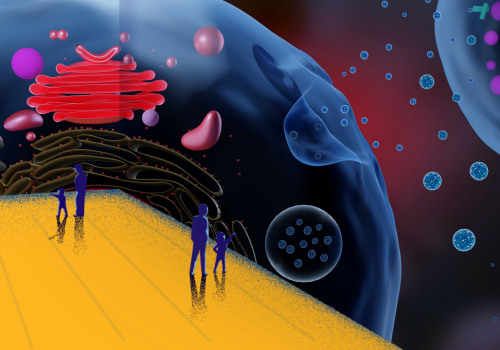
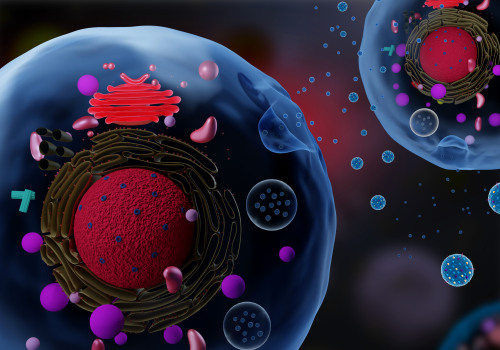
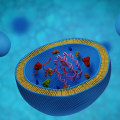
Exosomes are extracellular vesicles that play a pivotal role in intercellular communication, acting as carriers of molecular information between cells. These tiny vesicles, typically ranging from 30 to 150 nanometres in diameter, are secreted by various cell types and are found in numerous biological fluids, including blood, urine, and saliva. Their composition is rich in proteins, lipids, and nucleic acids, which allows them to facilitate a range of biological processes. Understanding exosomes is essential for grasping their significance in both health and disease.The primary function of exosomes lies in their ability to transfer bioactive molecules from one cell to another, thereby influencing the behaviour of recipient cells. that play a pivotal role in intercellular communication, acting as carriers of molecular information between cells. These tiny vesicles, typically ranging from 30 to 150 nanometres in diameter, are secreted by various cell types and are found in numerous biological fluids, including blood, urine, and saliva. Their composition is rich in proteins, lipids, and nucleic acids, which allows them to facilitate a range of biological processes. Understanding exosomes is essential for grasping their significance in both health and disease.The primary function of exosomes lies in their ability to transfer bioactive molecules from one cell to another, thereby influencing the behaviour of recipient cells.
This process is crucial for maintaining cellular homeostasis and regulating physiological functions. For instance, exosomes can modulate immune responses, promote tissue repair, and even influence cancer progression by altering the microenvironment of tumours. As such, they serve as important mediators in various biological pathways.In the context of disease, particularly cancer, exosomes have garnered significant attention due to their dual role as both potential biomarkers and therapeutic targets. They can carry oncogenic factors that promote tumour growth and metastasis while also serving as vehicles for delivering therapeutic agents.
This duality highlights the complexity of exosome biology and underscores the need for further research to fully elucidate their roles in different pathological conditions.As we delve deeper into the world of exosomes throughout this article, it becomes clear that these vesicles are not merely byproducts of cellular activity; they are integral players in the intricate web of biological interactions that underpin health and disease. Understanding their functions and implications is crucial for developing innovative therapeutic strategies and improving patient outcomes.
The Role of Exosomes in Cancer Biology
Exosomes play a pivotal role in the intricate landscape of cancer biology, acting as key mediators of intercellular communication. These nanoscale vesicles, secreted by various cell types, including cancer cells, are rich in bioactive molecules such as proteins, lipids, and nucleic acids. This unique composition enables exosomes to influence the behaviour of recipient cells, thereby contributing to the complex processes of cancer progression and metastasis.One of the primary functions of exosomes in cancer is their ability to facilitate cell signalling.By transferring molecular signals between cells, exosomes can alter the phenotype of neighbouring cells, promoting a microenvironment conducive to tumour growth. For instance, cancer-derived exosomes can induce changes in normal cells that encourage proliferation and survival, effectively creating a supportive niche for the tumour.Moreover, exosomes are implicated in the establishment of a pre-metastatic niche. They can prepare distant organs for incoming cancer cells by modulating the local immune response and promoting angiogenesis. This process is crucial for metastasis, as it allows cancer cells to colonise new sites more effectively.
Studies have shown that exosomes derived from metastatic cancer cells contain specific proteins and RNAs that can prime target tissues for future metastatic spread.Additionally, exosomes contribute to drug resistance in cancer therapy. They can carry molecules that confer resistance to chemotherapy or targeted therapies, allowing cancer cells to survive treatment. This phenomenon complicates treatment regimens and poses significant challenges in managing cancer effectively.In summary, the role of exosomes in cancer biology is multifaceted and critical for understanding how tumours develop and spread. Their involvement in cell communication, promotion of cancer progression, and facilitation of metastasis underscores the need for further research into their potential as therapeutic targets or biomarkers in oncology.
Exosome Hair Therapy: An Overview
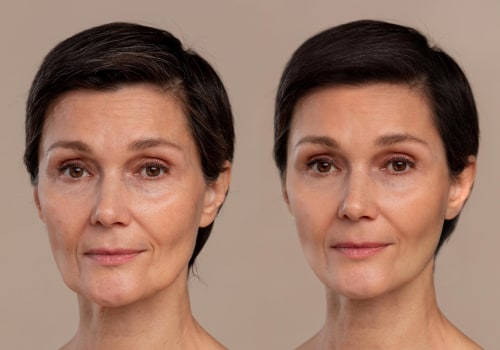
Exosome hair therapy is an innovative approach to hair restoration that leverages the regenerative properties of exosomes, which are tiny vesicles secreted by cells.These vesicles are rich in bioactive molecules, including proteins, lipids, and nucleic acids, which play a crucial role in cell communication and regeneration. The therapy aims to stimulate hair growth and improve hair density by harnessing the natural healing processes of the body.The mechanism behind exosome hair therapy involves the delivery of these potent vesicles directly to the scalp. When injected into the targeted areas, exosomes can enhance cellular activity, promote blood circulation, and encourage the proliferation of hair follicle cells. This process not only aids in the regeneration of existing hair follicles but also has the potential to activate dormant follicles, leading to new hair growth.One of the primary benefits of exosome therapy is its ability to provide a non-invasive solution for individuals experiencing hair loss.
Unlike traditional hair restoration methods such as hair transplants, which can be invasive and require significant recovery time, exosome therapy is relatively quick and requires minimal downtime. Patients can often return to their daily activities shortly after treatment.Moreover, exosome therapy is considered safe due to its use of autologous cells—meaning that the exosomes are derived from the patient’s own body. This significantly reduces the risk of adverse reactions or complications associated with foreign substances. Additionally, studies have indicated that exosome therapy may not only improve hair growth but also enhance the overall health and quality of hair, resulting in thicker and more vibrant strands.In summary, exosome hair therapy represents a promising advancement in the field of hair restoration treatments.
By utilising the natural regenerative capabilities of exosomes, this therapy offers a safe, effective, and minimally invasive option for those seeking to combat hair loss and achieve fuller, healthier hair.
Potential Risks of Exosome Therapy in Cancer Patients
As the popularity of exosome therapy continues to rise, particularly in the realm of hair restoration, it is crucial to address the potential risks associated with this treatment, especially for individuals who may have undiagnosed cancer. While exosomes hold promise in regenerative medicine, their implications in cancer biology warrant careful consideration.One of the primary concerns regarding exosome therapy is the possibility that these vesicles could inadvertently enhance the growth and spread of existing cancer cells. Exosomes are known to facilitate intercellular communication, and when secreted by cancer cells, they can carry signals that promote malignancy. This raises a significant question: could exosome therapy inadvertently provide cancer cells with the necessary support to proliferate?Moreover, individuals undergoing exosome therapy without prior screening for cancer may unknowingly expose themselves to heightened risks.The infusion of exosomes into a body already harbouring undetected malignancies could potentially lead to an acceleration of disease progression. Therefore, it is imperative that patients undergo comprehensive testing before receiving any form of exosome treatment.In addition to the risk of promoting cancer growth, there are other safety concerns associated with exosome therapy:
- Immune Response: The introduction of exosomes from external sources may trigger an immune response in some patients, leading to inflammation or other adverse reactions.
- Quality Control: The production and isolation of exosomes must adhere to stringent quality control measures. Poorly characterised or contaminated exosomes could pose additional health risks.
- Lack of Regulation: Currently, the field of exosome therapy is not as tightly regulated as other medical treatments, which can lead to variability in treatment protocols and outcomes.
Ultimately, while exosome therapy may offer benefits for hair restoration and other applications, ensuring patient safety must remain a top priority.
Clinical Applications of Exosomes Beyond Hair Therapy
Exosomes have emerged as a significant focus in the field of medicine, extending their potential applications far beyond hair therapy. These nanoscale vesicles, which facilitate intercellular communication, are being explored for their roles in diagnostics and therapeutics across various diseases.Diagnostic Biomarkers
One of the most promising applications of exosomes lies in their use as diagnostic biomarkers. Due to their ability to encapsulate and transport a variety of biomolecules, including proteins, lipids, and nucleic acids, exosomes can provide valuable insights into the physiological and pathological states of cells. For instance, studies have shown that exosomal content can reflect the molecular characteristics of the originating cells, making them potential indicators for early disease detection.In cancer diagnostics, exosomes derived from tumour cells can carry specific genetic material that may indicate the presence of malignancies.
This characteristic allows for non-invasive liquid biopsies, where blood or other bodily fluids are analysed for exosomal content, offering a less invasive alternative to traditional biopsy methods.
Therapeutic Applications
Beyond diagnostics, exosomes are being investigated for their therapeutic potential. Their natural ability to deliver bioactive molecules makes them ideal candidates for targeted drug delivery systems. Researchers are exploring how engineered exosomes can be used to transport therapeutic agents directly to diseased tissues, thereby enhancing treatment efficacy while minimising side effects.For example, in the context of cancer therapy, exosomes can be loaded with chemotherapeutic drugs or RNA molecules designed to silence oncogenes. This targeted approach not only improves drug delivery but also reduces systemic toxicity associated with conventional therapies.
Immunotherapy
Exosomes are also gaining traction in the field of immunotherapy.
They can modulate immune responses by presenting antigens to immune cells or by delivering immunomodulatory molecules. This capability is particularly relevant in developing vaccines and treatments for autoimmune diseases and cancers.In summary, the clinical applications of exosomes extend well beyond hair therapy. Their roles as diagnostic biomarkers and therapeutic agents highlight their potential to revolutionise various aspects of medicine. As research continues to unfold, the understanding of exosome biology will likely lead to innovative strategies for disease management and treatment.
Current Research and Future Directions in Exosome Therapy
As the field of regenerative medicine continues to evolve, exosome therapy is emerging as a promising avenue for various medical applications, including cancer treatment, tissue regeneration, and hair restoration.Current research is focused on understanding the mechanisms by which exosomes operate and how they can be harnessed effectively for therapeutic purposes.One of the most significant areas of investigation is the role of exosomes in intercellular communication. Researchers are exploring how these vesicles facilitate the transfer of bioactive molecules, such as proteins and nucleic acids, between cells. This understanding could lead to breakthroughs in targeted therapies that utilise exosomes to deliver drugs directly to affected cells, minimising side effects and enhancing treatment efficacy.
Advancements in Exosome Isolation and Characterisation
Recent advancements in technology have improved the methods for isolating and characterising exosomes. Techniques such as ultrafiltration, size-exclusion chromatography, and microfluidics are being refined to yield purer exosome populations.This is crucial because the therapeutic potential of exosomes largely depends on their quality and composition. Enhanced isolation techniques will enable researchers to better understand the specific roles of different exosomal components in disease processes.
Clinical Trials and Future Directions
Several clinical trials are currently underway to evaluate the safety and efficacy of exosome-based therapies. These studies aim to assess not only their potential in treating cancer but also their applications in other conditions such as neurodegenerative diseases and cardiovascular disorders. The outcomes of these trials will be pivotal in determining the future landscape of exosome therapy.Moreover, there is a growing interest in engineering exosomes for specific therapeutic purposes.Scientists are investigating ways to modify exosomal membranes or load them with therapeutic agents to enhance their targeting capabilities. This could revolutionise how we approach treatment for various diseases, offering a more personalised medicine approach.In conclusion, while significant progress has been made in understanding exosomes and their potential applications, ongoing research is essential to unlock their full therapeutic capabilities. As we continue to explore this exciting field, patients may soon benefit from innovative treatments that leverage the unique properties of exosomes.
Frequently Asked Questions About Exosomes and Hair Therapy
As interest in exosome therapy continues to grow, many individuals have questions about its applications, particularly in the realm of hair restoration. Below are some frequently asked questions that aim to clarify common misconceptions and provide insightful answers regarding exosomes and their role in hair therapy.- What are exosomes?
Exosomes are small vesicles secreted by cells that play a vital role in intercellular communication.They contain proteins, lipids, and nucleic acids, which can influence the behaviour of other cells, including those involved in hair growth.
- How does exosome therapy work for hair restoration?
Exosome therapy for hair restoration involves the application of exosomes derived from stem cells to the scalp. These exosomes deliver growth factors and other bioactive molecules that can stimulate hair follicles, promoting new hair growth and improving hair thickness.Exosome therapy for hair restoration involves the application of exosomes derived from stem cells to the scalp. These exosomes deliver growth factors and other bioactive molecules that can stimulate hair follicles, promoting new hair growth and improving hair thickness. - Is exosome therapy safe?
While many patients report positive outcomes, the safety of exosome therapy is still under investigation. It is crucial to consult with a qualified healthcare provider to assess individual risks and benefits before undergoing treatment. - Can exosome therapy cause cancer?
There is ongoing debate regarding the potential risks associated with exosome therapy, particularly concerning cancer. Some studies suggest that if a patient has undiagnosed cancer, exosome therapy could inadvertently enhance cancer cell proliferation.Therefore, thorough screening is recommended prior to treatment.
- How long do the effects of exosome therapy last?
The duration of results from exosome therapy can vary among individuals. Many patients experience noticeable improvements within a few months, but maintenance treatments may be necessary to sustain results over time. - Are there any side effects associated with exosome therapy?
Side effects are generally minimal but can include temporary redness or swelling at the injection site. It is essential to discuss any potential side effects with your healthcare provider before proceeding with treatment.
Conclusion: Weighing the Benefits and Risks of Exosome Therapy
In conclusion, the exploration of exosome therapy presents a complex landscape of potential benefits and inherent risks, particularly in the context of hair restoration and cancer treatment.As we have discussed, exosomes are pivotal in cellular communication and have shown promise in promoting hair growth and enhancing hair thickness. However, the implications of their use, especially in individuals with undiagnosed cancer, cannot be overlooked.It is essential to weigh the advantages against the possible dangers. On one hand, exosome therapy may offer innovative solutions for those suffering from hair loss, providing a non-invasive alternative to traditional treatments. The ability of exosomes to deliver bioactive molecules that stimulate hair follicles is a significant breakthrough in regenerative medicine.On the other hand, the potential for exosomes to inadvertently support cancer cell proliferation raises serious concerns.
The risk of enhancing malignancy in patients who may not yet be aware of their cancer status necessitates thorough screening and diagnostic procedures prior to treatment. This precaution is vital to ensure that the therapy does not exacerbate an undetected condition.Furthermore, while current research indicates that exosomes could serve as valuable diagnostic biomarkers and therapeutic agents, the lack of extensive human studies leaves many questions unanswered. The safety profile of exosome therapy remains uncertain, and ongoing research is crucial to establish clear guidelines for its application.Ultimately, individuals considering exosome therapy should engage in informed discussions with healthcare professionals. Understanding both the potential benefits and risks associated with this treatment is paramount.
As science continues to evolve, so too will our understanding of exosomes and their role in health and disease.