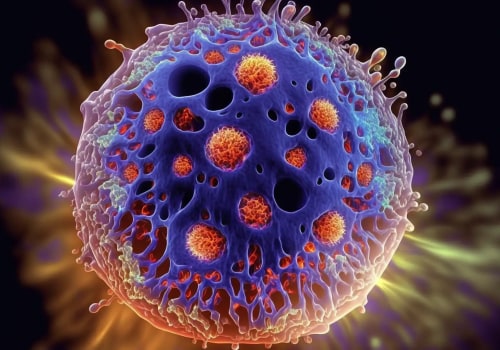
Exosomes are fascinating nanovesicles that play a crucial role in intercellular communication. These small, membrane-bound structures, typically ranging from 30 to 150 nanometres in diameter, are secreted by various cell types into the extracellular environment. Their discovery has opened new avenues in the field of cell biology and regenerative medicine, as they are now recognised as vital players in numerous physiological and pathological processes.Originating from the endosomal system, exosomes are formed when multivesicular bodies (MVBs) fuse with the plasma membrane of a cell, releasing their contents into the extracellular space. This process not only facilitates the transfer of proteins, lipids, and nucleic acids but also allows for the exchange of information between cells. Exosomes are fascinating nanovesicles that play a crucial role in intercellular communication. These small, membrane-bound structures, typically ranging from 30 to 150 nanometres in diameter, are secreted by various cell types into the extracellular environment. Their discovery has opened new avenues in the field of cell biology and regenerative medicine, as they are now recognised as vital players in numerous physiological and pathological processes.Originating from the endosomal system, exosomes are formed when multivesicular bodies (MVBs) fuse with the plasma membrane of a cell, releasing their contents into the extracellular space. This process not only facilitates the transfer of proteins, lipids, and nucleic acids but also allows for the exchange of information between cells.
The biological significance of exosomes cannot be overstated; they are involved in immune responses, tissue repair, and even the progression of diseases such as cancer and neurodegenerative disorders.One of the most compelling aspects of exosomes is their ability to influence the behaviour of recipient cells. By delivering specific molecular cargo, they can modulate various cellular functions, including inflammation and apoptosis. This unique capability positions exosomes as potential therapeutic agents in treating inflammatory conditions and promoting recovery after injury. As we delve deeper into the healing power of exosomes, it becomes essential to understand their intricate biology and how they can be harnessed for therapeutic purposes.
The Role of Exosomes in Cell Communication
Exosomes play a pivotal role in cell communicationcell communication, acting as vital mediators in the intricate network of intercellular signalling.These nanoscale vesicles, typically ranging from 30 to 150 nanometres in diameter, are released by various cell types and contain a diverse array of biomolecules, including proteins, lipids, and nucleic acids. This composition allows exosomes to facilitate complex communication pathways between cells, influencing numerous physiological and pathological processes.One of the primary mechanisms through which exosomes exert their effects is by transferring their molecular cargo to recipient cells. This transfer can alter the behaviour of target cells, modulating their functions and responses. For instance, when exosomes derived from immune cells interact with other immune or non-immune cells, they can enhance or suppress inflammatory responses, thereby playing a crucial role in maintaining homeostasis.Moreover, exosomes are instrumental in cell signalling during tissue repair and regeneration.
Following injury, exosomes released from damaged tissues can carry signals that promote healing by recruiting stem cells to the site of injury or by stimulating local cells to proliferate and differentiate. This regenerative capacity highlights the therapeutic potential of exosomes in treating various conditions, including chronic inflammatory diseases and injuries.In addition to their role in health, exosomes are also implicated in disease processes. For example, cancer cells often exploit exosomal communication to create a supportive microenvironment that favours tumour growth and metastasis. By releasing exosomes that contain specific proteins or RNA molecules, cancer cells can manipulate surrounding normal cells to promote angiogenesis or suppress immune responses.Understanding the mechanisms of exosome communication is essential for developing novel therapeutic strategies.
Researchers are increasingly focusing on harnessing the natural properties of exosomes for drug delivery systems or as biomarkers for disease diagnosis. The ability of exosomes to cross biological barriers and their inherent biocompatibility make them an attractive option for targeted therapies.In summary, exosomes serve as crucial players in intercellular communication , influencing both health and disease states. Their multifaceted roles underscore the importance of further research into their mechanisms and applications in regenerative medicine and beyond.
Exosomes and Inflammation: A Therapeutic Perspective
Exosomes have emerged as a pivotal player in the realm of inflammation reduction, showcasing their potential as a therapeutic tool in various inflammatory conditions. These nanoscale vesicles, secreted by a multitude of cell types, carry a complex cargo of proteins, lipids, and nucleic acids that can significantly influence the immune response.One of the most compelling aspects of exosomes is their ability to modulate immune responses.They can interact with immune cells, such as macrophages and T cells, thereby altering their activity. For instance, exosomes derived from mesenchymal stem cells (MSCs) have been shown to possess potent They can interact with immune cells, such as macrophages and T cells, thereby altering their activity. For instance, exosomes derived from mesenchymal stem cells (MSCs) have been shown to possess potent anti-inflammatory propertiesanti-inflammatory properties. They can inhibit the production of pro-inflammatory cytokines while promoting the secretion of anti-inflammatory mediators. This dual action not only helps in reducing inflammation but also aids in tissue repair and regeneration.In conditions such as rheumatoid arthritis, inflammatory bowel disease, and chronic obstructive pulmonary disease (COPD), exosome therapy has demonstrated promising results. . They can inhibit the production of pro-inflammatory cytokines while promoting the secretion of anti-inflammatory mediators. This dual action not only helps in reducing inflammation but also aids in tissue repair and regeneration.In conditions such as rheumatoid arthritis, inflammatory bowel disease, and chronic obstructive pulmonary disease (COPD), exosome therapy has demonstrated promising results.
Research indicates that exosomes can effectively reduce markers of inflammation and improve clinical outcomes. For example, in animal models of arthritis, administration of MSC-derived exosomes resulted in decreased joint swelling and pain, highlighting their therapeutic potential.Moreover, the mechanism by which exosomes exert their effects is multifaceted. They can transfer bioactive molecules that modulate signalling pathways within target cells. This transfer can lead to a shift from a pro-inflammatory to an anti-inflammatory state, thereby facilitating recovery from inflammation-related damage.As we continue to explore the therapeutic applications of exosomes, it becomes increasingly clear that they hold significant promise in the field of regenerative medicine.
Their ability to reduce inflammation not only addresses the symptoms but also targets the underlying causes of various inflammatory diseases. Future research will undoubtedly uncover more about how we can harness these tiny vesicles for effective treatment strategies.
Promoting Recovery: The Healing Potential of Exosomes
Exosomes have emerged as a pivotal component in the realm of regenerative medicine , particularly in their ability to facilitate recovery from injuries and surgical procedures. These nanoscale vesicles, secreted by various cell types, play a crucial role in intercellular communication, delivering bioactive molecules that can significantly enhance tissue repair processes.One of the primary mechanisms through which exosomes promote recovery is by modulating the inflammatory response. Following an injury or surgery, inflammation is a natural part of the healing process; however, excessive inflammation can hinder recovery.Exosomes derived from mesenchymal stem cells (MSCs) have been shown to possess anti-inflammatory properties. They can reduce the production of pro-inflammatory cytokines while promoting the release of anti-inflammatory factors, thereby creating a more conducive environment for healing.Moreover, exosomes are rich in growth factors and proteins that are essential for tissue regeneration. For instance, they contain vascular endothelial growth factor (VEGF) , which is vital for angiogenesis—the formation of new blood vessels. This process is critical in ensuring that the injured tissue receives adequate oxygen and nutrients, facilitating faster recovery.
Additionally, exosomes carry transforming growth factor-beta (TGF-β) , which plays a significant role in cell proliferation and differentiation, further aiding in tissue repair.The potential applications of exosomes in clinical settings are vast. In orthopaedics, for example, exosome therapy has been explored for treating cartilage injuries and enhancing bone healing. Studies have indicated that local administration of exosomes can accelerate the repair of damaged cartilage and improve outcomes following joint surgeries.Furthermore, exosomes are being investigated for their role in soft tissue recovery post-surgery. Their ability to promote fibroblast activity and collagen synthesis is particularly beneficial in wound healing scenarios.
By enhancing the migration and proliferation of these cells, exosomes can significantly improve the quality and speed of tissue repair.In conclusion, the healing potential of exosomes is profound. As research continues to unveil their mechanisms and applications, it is becoming increasingly clear that these tiny vesicles hold great promise for enhancing recovery in various medical fields. Their ability to modulate inflammation, promote angiogenesis, and stimulate cellular repair positions them as a transformative tool in regenerative medicine.
Clinical Applications of Exosome Therapy
Exosome therapy is rapidly emerging as a promising avenue in regenerative medicine, with numerous clinical applications being explored across various medical fields. These nanoscale vesicles, derived from cells, play a crucial role in intercellular communication and have shown potential in modulating immune responses, thereby reducing inflammation and promoting recovery.One of the most significant areas of research involves the use of exosomes in treating inflammatory diseases.Clinical trials are currently underway to assess their efficacy in conditions such as rheumatoid arthritis and inflammatory bowel disease. Preliminary results indicate that exosome therapy may help to alleviate symptoms by delivering anti-inflammatory molecules directly to affected tissues, thus enhancing the body’s natural healing processes.In addition to inflammatory conditions, exosomes are being investigated for their potential in cancer therapy. Researchers are exploring how exosomes can be engineered to carry therapeutic agents specifically targeting cancer cells. This targeted approach could minimise side effects associated with traditional chemotherapy while improving treatment outcomes.
Ongoing clinical trials are evaluating the safety and effectiveness of exosome-based therapies in various cancer types, including breast and lung cancer.Moreover, exosomes derived from stem cells are gaining attention for their regenerative properties. These stem cell-derived exosomes contain growth factors and other bioactive molecules that can promote tissue repair and regeneration. Clinical studies are examining their use in orthopaedics for conditions such as osteoarthritis and tendon injuries, where they may facilitate healing by enhancing cellular repair mechanisms.As research progresses, the potential applications of exosome therapy continue to expand. Future studies may explore their role in neurodegenerative diseases, cardiovascular conditions, and even as vehicles for vaccine delivery.
The versatility of exosomes makes them a focal point of interest in modern medicine.In conclusion, the clinical applications of exosome therapy are vast and varied, with ongoing trials paving the way for innovative treatments across multiple disciplines. As our understanding of these powerful vesicles deepens, we can anticipate a future where exosome-based therapies become integral components of standard medical practice.
Challenges and Limitations in Exosome Research
While the potential of exosomes in therapeutic applications is vast, several challenges and limitations hinder the progress of research and clinical implementation. Understanding these obstacles is crucial for advancing the field and unlocking the full benefits of exosome-based therapies.Isolation Methods
One of the primary challenges in exosome research is the isolation and purification of these vesicles. Various methods, such as ultracentrifugation, precipitation, and size-exclusion chromatography, are employed to extract exosomes from biological fluids.
However, each technique has its own set of limitations:
- Ultracentrifugation: This method can be time-consuming and may lead to the co-isolation of contaminants, such as proteins and lipids, which can affect the purity and functionality of the isolated exosomes.
- Precipitation: While this method is simpler and faster, it often results in lower yields and may not effectively separate exosomes from other extracellular vesicles.
- Size-exclusion chromatography: Although it provides a more refined separation, it can be expensive and requires specialised equipment.
Standardisation Issues
The lack of standardisation in exosome research poses another significant challenge. Variability in isolation protocols, characterisation techniques, and storage conditions can lead to inconsistent results across studies. This inconsistency complicates the comparison of findings and hinders the establishment of reliable biomarkers for therapeutic efficacy.
Regulatory Hurdles
The regulatory landscape for exosome-based therapies is still evolving. Regulatory bodies require comprehensive data on safety, efficacy, and manufacturing processes before approving new treatments.
The complexity of exosome biology makes it challenging to meet these stringent requirements. Researchers must navigate a maze of regulations that can delay clinical trials and market entry.
Conclusion
Addressing these challenges is essential for advancing exosome research and therapy. By improving isolation techniques, establishing standardised protocols, and navigating regulatory frameworks effectively, the scientific community can enhance the therapeutic potential of exosomes in reducing inflammation and promoting recovery.
Future Directions: The Next Frontier in Exosome Research
The field of exosome research is rapidly evolving, with numerous advancements on the horizon that promise to enhance their therapeutic applications. As scientists continue to unravel the complexities of these extracellular vesicles, several key areas are emerging as potential frontiers for future exploration.1.Enhanced Isolation and Characterisation Techniques
One of the primary challenges in exosome research has been the efficient isolation and characterisation of these vesicles.
Future advancements may focus on developing more refined techniques that allow for the extraction of exosomes with higher purity and yield. Techniques such as microfluidics and advanced chromatography could play a pivotal role in this process, enabling researchers to obtain exosomes that are more representative of their native state.
2.Targeted Delivery Systems
As our understanding of exosome biology deepens, there is significant potential for creating targeted delivery systems that utilise exosomes as vehicles for therapeutic agents. By engineering exosomes to carry specific drugs or genetic material, researchers could enhance the precision of treatments for various diseases, including cancer and neurodegenerative disorders. This targeted approach could minimise side effects and improve patient outcomes.
3.Clinical Applications and Trials
The transition from laboratory research to clinical applications is a crucial step in the evolution of exosome therapy.
Ongoing clinical trials are expected to provide valuable insights into the efficacy and safety of exosome-based treatments. As more data becomes available, it will pave the way for regulatory approvals and wider adoption in clinical settings.
4.Understanding Mechanisms of Action
Future research will likely delve deeper into the mechanisms by which exosomes exert their effects on target cells. Understanding how exosomes modulate immune responses, promote tissue repair, and influence cellular communication will be essential for optimising their therapeutic potential. This knowledge could lead to novel strategies for harnessing exosomes in regenerative medicine.
5.Expanding Therapeutic Applications
While current research has primarily focused on inflammation and recovery, the potential applications of exosomes extend far beyond these areas.
Future studies may explore their role in metabolic disorders, cardiovascular diseases, and even mental health conditions. The versatility of exosomes as therapeutic agents could revolutionise treatment paradigms across various medical fields.In conclusion, the future of exosome research holds immense promise. With advancements in isolation techniques, targeted delivery systems, and a deeper understanding of their mechanisms, exosomes are poised to become a cornerstone of innovative therapies that could transform patient care.
Frequently Asked Questions about Exosomes
Exosomes have garnered significant attention in recent years, yet many people still have questions about their nature and function. Below are some of the most frequently asked questions regarding exosomes, aimed at enhancing understanding and dispelling common misconceptions.What exactly are exosomes?
Exosomes are small extracellular vesicles, typically ranging from 30 to 150 nanometers in diameter, that are secreted by various cell types into the extracellular environment.They play a crucial role in intercellular communication by transferring proteins, lipids, and nucleic acids between cells. This transfer can influence the behaviour of recipient cells, making exosomes vital players in numerous biological processes.
How are exosomes produced?
The production of exosomes begins within the cell, where they are formed from the inward budding of the endosomal membrane, creating multivesicular bodies (MVBs). These MVBs can then fuse with the plasma membrane, releasing exosomes into the extracellular space. The composition of exosomes can vary significantly depending on the cell type and its physiological state.What is the role of exosomes in inflammation?
Exosomes have been shown to modulate inflammatory responses.They can carry anti-inflammatory molecules that help to reduce inflammation or pro-inflammatory signals that can exacerbate it. By influencing the immune response, exosomes can either promote healing or contribute to chronic inflammatory conditions.
Are exosomes safe for therapeutic use?
Current research indicates that exosome-based therapies are generally safe, as they are derived from natural cellular processes. However, as with any emerging treatment modality, ongoing studies are essential to fully understand their safety profile and potential side effects.Can exosomes be used in regenerative medicine?
Yes, exosomes hold great promise in regenerative medicine due to their ability to promote tissue repair and regeneration. They can enhance cell survival, stimulate angiogenesis (the formation of new blood vessels), and modulate immune responses, making them valuable tools for treating various injuries and degenerative diseases.How can I obtain exosome therapy?
If you are considering exosome therapy, it is crucial to consult with a qualified healthcare professional who specializes in regenerative medicine.They can provide guidance on available treatments and help determine if this approach is suitable for your specific condition.In summary, understanding exosomes is essential for appreciating their potential therapeutic applications. As research continues to evolve, so too will our knowledge of these remarkable vesicles and their role in health and disease.
Conclusion: The Promise of Exosomes in Healing and Recovery
In summary, the exploration of exosomes has unveiled a transformative approach to healing and recovery, particularly in the context of reducing inflammation. These minute vesicles, which are secreted by various cell types, play a pivotal role in intercellular communication and have emerged as key players in regenerative medicine.Throughout this article, we have examined the multifaceted functions of exosomes, highlighting their ability to transport essential biomolecules such as proteins, lipids, and nucleic acids. This unique capability allows exosomes to modulate the behaviour of target cells, thereby influencing inflammatory responses and promoting tissue repair.The implications of this are profound, especially for individuals suffering from chronic inflammatory conditions or those recovering from injuries.Moreover, the therapeutic potential of exosomes extends beyond mere inflammation reduction. Their natural origin and biocompatibility make them an attractive option for various treatment modalities. As research continues to evolve, we anticipate that exosome-based therapies will become increasingly integrated into clinical practice, offering new hope for patients seeking effective recovery solutions.As we look to the future, it is essential to continue investigating the mechanisms by which exosomes exert their effects. Understanding these pathways will not only enhance our knowledge of cellular communication but also pave the way for innovative therapeutic strategies that harness the power of exosomes.In conclusion, the promise of exosomes in healing and recovery is significant.
Their ability to reduce inflammation and facilitate recovery positions them as a cornerstone in the future of regenerative medicine. As we advance our understanding and application of these remarkable vesicles, we stand on the brink of a new era in therapeutic interventions that could revolutionise patient care.