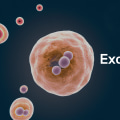
Cell aging, a fundamental aspect of biological aging, is a complex process that affects all living organisms. At its core, cell aging refers to the gradual decline in cellular function and viability over time, leading to a state known as cellular senescence. This phenomenon is not merely a consequence of time passing; rather, it is driven by a series of intricate biological mechanisms that include DNA damage, telomere shortening, and the accumulation of cellular waste products. Understanding these processes is crucial for exploring potential interventions that could mitigate the effects of aging.As cells age, they undergo significant changes that impair their ability to divide and function effectively.
One of the key players in this process is the telomere, a protective cap at the end of chromosomes that shortens with each cell division. Once telomeres reach a critically short length, cells can no longer replicate and enter a state of senescence. This not only halts their proliferation but also triggers a cascade of inflammatory responses that can affect surrounding tissues and contribute to age-related diseases.Moreover, the accumulation of damaged proteins and organelles within aging cells leads to a decline in cellular homeostasis. This buildup can disrupt normal cellular functions and promote further senescence, creating a vicious cycle that accelerates the aging process.
By delving into the mechanisms behind cell aging, researchers aim to identify potential therapeutic targets that could reverse or slow down these detrimental changes.In recent years, advancements in biotechnology have opened new avenues for understanding and potentially reversing cell aging. Techniques such as gene therapy and the use of exosomes —small vesicles that facilitate intercellular communication—are being investigated for their potential to rejuvenate aged cells. By harnessing these innovative approaches, scientists hope to unlock new strategies for combating the effects of aging and improving healthspan.
What Are Exosomes?
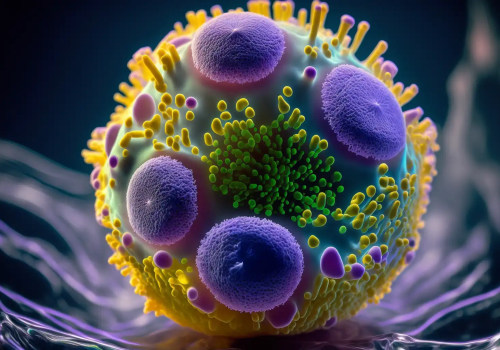
Exosomes are small extracellular vesicles, typically ranging from 30 to 150 nanometers in diameter, that play a crucial role in intercellular communication. They are secreted by various cell types and contain a complex mixture of proteins, lipids, and nucleic acids, including messenger RNA (mRNA) and microRNA (miRNA).This unique composition allows exosomes to facilitate the transfer of molecular information between cells, influencing numerous biological processes.One of the primary functions of exosomes is to mediate cellular communication. They act as vehicles for transporting bioactive molecules, enabling cells to share information about their physiological state. For instance, when a cell is under stress or undergoing changes, it can release exosomes that carry specific signals to neighbouring cells, prompting them to respond accordingly. This mechanism is vital for maintaining homeostasis within tissues and organs.In addition to their role in communication, exosomes are involved in various biological processes such as immune response, tissue repair, and even cancer progression.
They can modulate the immune system by presenting antigens or delivering immunosuppressive factors, thereby influencing the activity of immune cells. Furthermore, exosomes have been shown to play a part in wound healing by promoting cell migration and proliferation.The significance of exosomes extends beyond normal physiological functions; they are also implicated in various diseases. For example, cancer cells often exploit exosome release to promote tumour growth and metastasis by altering the behaviour of surrounding cells. This has led researchers to explore exosomes as potential biomarkers for disease diagnosis and prognosis.Given their pivotal role in cellular communication and their involvement in both health and disease, exosomes present an exciting avenue for research into reversing cell aging.
By understanding how exosomes function and how they can be manipulated, scientists may unlock new strategies for rejuvenating aged cells and restoring their youthful characteristics.
The Science Behind Exosomes and Aging
Exosomes, small extracellular vesicles secreted by various cell types, have emerged as pivotal players in the field of cellular communication and rejuvenation. These nano-sized vesicles are rich in proteins, lipids, and nucleic acids, and they facilitate intercellular communication by transferring their molecular cargo between cells. This process is particularly significant in the context of aging, as exosomes can influence cellular health and longevity.Research has shown that exosomes derived from young cells possess rejuvenating properties that can counteract the effects of aging. For instance, studies indicate that exosomes from mesenchymal stem cells (MSCs) can enhance tissue repair and regeneration by promoting cell proliferation and reducing inflammation.This regenerative potential is crucial as the body ages, where the natural healing processes become less efficient.Moreover, exosomes play a vital role in modulating the immune response. As we age, our immune system tends to weaken, leading to increased susceptibility to diseases. Exosomes can help restore immune function by delivering immunomodulatory factors that enhance the activity of immune cells. This is particularly important in combating age-related diseases and maintaining overall health.Another fascinating aspect of exosomes is their ability to influence gene expression within recipient cells.
The RNA molecules contained within exosomes can alter the transcriptional landscape of target cells, potentially reversing age-related changes at the genetic level. This mechanism opens up exciting avenues for therapeutic interventions aimed at slowing down or even reversing cellular aging.In summary, the science surrounding exosomes and their impact on aging is rapidly evolving. By understanding how these vesicles contribute to cellular rejuvenation and longevity, researchers are paving the way for innovative treatments that could significantly enhance healthspan and combat age-related decline.
Current Research on Exosomes and Cell Rejuvenation
Recent advancements in the field of cellular biology have brought exosomes to the forefront of research aimed at reversing cell aging. Exosomes are small extracellular vesicles that play a crucial role in intercellular communication, carrying proteins, lipids, and RNA molecules that can influence the behaviour of recipient cells.Their potential in rejuvenation therapies is being explored through various studies that highlight their ability to modulate cellular processes associated with aging.One significant study conducted by researchers at Harvard Medical School demonstrated that exosomes derived from young stem cells could rejuvenate aged cells. The researchers isolated exosomes from young mesenchymal stem cells and applied them to older fibroblasts. The results showed a marked improvement in cellular function, including enhanced proliferation and reduced senescence markers. This suggests that the molecular cargo within these exosomes may contain factors capable of reversing age-related cellular decline.Another pivotal study published in Nature Communications explored the role of exosomal microRNAs in cellular rejuvenation.
The researchers found that specific microRNAs present in exosomes from young cells could downregulate genes associated with aging and senescence when introduced to older cells. This gene modulation not only improved cell viability but also restored some youthful characteristics, such as increased metabolic activity and improved stress resistance.Furthermore, a collaborative effort between institutions in Japan and Germany investigated the therapeutic potential of exosomes in age-related diseases. Their findings indicated that exosome therapy could enhance tissue regeneration and repair mechanisms, particularly in conditions like osteoarthritis and cardiovascular diseases, which are often exacerbated by aging. By harnessing the regenerative properties of exosomes, researchers are optimistic about developing novel treatments that could mitigate the effects of aging on various organ systems.The implications of these studies are profound. investigated the therapeutic potential of exosomes in age-related diseases. Their findings indicated that exosome therapy could enhance tissue regeneration and repair mechanisms, particularly in conditions like osteoarthritis and cardiovascular diseases, which are often exacerbated by aging. By harnessing the regenerative properties of exosomes, researchers are optimistic about developing novel treatments that could mitigate the effects of aging on various organ systems.The implications of these studies are profound.
They not only provide insights into the biological mechanisms underlying aging but also open new avenues for therapeutic interventions aimed at rejuvenating aged tissues. As research continues to evolve, the potential for exosome-based therapies to reverse aspects of cellular aging appears increasingly promising, paving the way for innovative approaches to enhance longevity and improve quality of life.
Exosome Therapy: A New Frontier in Anti-Aging Treatments?
Exosome therapy is rapidly emerging as a promising avenue in the realm of anti-aging treatments and regenerative medicine. Exosomes are small extracellular vesicles secreted by cells, playing a crucial role in intercellular communication. They carry proteins, lipids, and nucleic acids, which can influence the behaviour of recipient cells.This unique property makes exosomes a focal point in the quest to reverse or mitigate the effects of aging.One of the primary mechanisms through which exosome therapy operates is by enhancing cellular regeneration and repair. As we age, our body’s ability to regenerate diminishes, leading to various age-related conditions. Exosomes derived from stem cells have shown potential in promoting tissue repair and reducing inflammation, which are critical factors in the aging process. For instance, studies have indicated that exosomes can stimulate the proliferation of fibroblasts, essential for maintaining skin elasticity and firmness.Moreover, exosome therapy has been linked to improved cognitive function and neuroprotection.
Research suggests that exosomes can facilitate communication between neurons and support the survival of brain cells, potentially counteracting age-related cognitive decline. This is particularly significant given the increasing prevalence of neurodegenerative diseases such as Alzheimer’s and Parkinson’s among the elderly population.Currently, clinical applications of exosome therapy are being explored in various settings. Several clinical trials are underway to assess the efficacy of exosome-based treatments for conditions like osteoarthritis, cardiovascular diseases, and even certain types of cancer. These trials aim to establish not only the safety but also the therapeutic benefits of exosome therapy in older adults.Despite its potential, it is essential to approach exosome therapy with caution.
The field is still in its infancy, and more research is needed to fully understand the long-term effects and optimal delivery methods for these therapies. Regulatory bodies are also working to establish guidelines for the use of exosomes in clinical practice.In conclusion, while exosome therapy holds great promise as a novel approach to combat aging and enhance regenerative processes within the body, ongoing research will be crucial in determining its viability as a mainstream treatment option. As scientists continue to unravel the complexities of exosomes and their functions, we may be on the brink of a new era in anti-aging therapies that could significantly improve quality of life for older individuals.
Challenges and Limitations of Exosome Research
The field of exosome research is burgeoning, yet it is not without its challenges and limitations. As scientists delve deeper into the potential of exosomes for therapeutic applications, several hurdles must be addressed to fully harness their capabilities.Technical Limitations
- Isolation and Characterization: One of the primary challenges in exosome research is the efficient isolation and characterization of these vesicles.
Current methods, such as ultracentrifugation and size-exclusion chromatography, can be time-consuming and may not yield pure populations of exosomes. Contaminants from other cellular debris can complicate analyses and lead to inconsistent results.
- Standardization: The lack of standardized protocols for exosome isolation and analysis poses a significant barrier. Variability in techniques can result in differences in exosome yield and composition, making it difficult to compare findings across studies.
- Understanding Mechanisms: While the role of exosomes in intercellular communication is becoming clearer, the precise mechanisms by which they exert their effects remain poorly understood. This gap in knowledge hampers the development of targeted therapies that leverage exosome biology.
Ethical Considerations
As with many areas of biomedical research, ethical considerations play a crucial role in the advancement of exosome studies.
The sourcing of biological materials, particularly human-derived samples, raises questions about consent and the potential for misuse of genetic information. Researchers must navigate these ethical waters carefully to ensure that their work adheres to established guidelines and respects participant rights.
Future Directions
Despite these challenges, the future of exosome research holds great promise. Ongoing advancements in nanotechnology and molecular biology are expected to enhance our ability to isolate and manipulate exosomes more effectively. Furthermore, interdisciplinary collaborations between biologists, chemists, and engineers could lead to innovative solutions that address current limitations.As researchers continue to explore the therapeutic potential of exosomes, it is essential to maintain a balanced perspective on both their capabilities and constraints.
By acknowledging these challenges, the scientific community can work towards overcoming them, paving the way for groundbreaking applications in regenerative medicine and beyond.
Lifestyle Factors That Influence Cell Aging
The process of cellular aging is not solely dictated by genetics; rather, it is significantly influenced by various lifestyle factors. Understanding how our daily choices impact cellular health can empower us to make informed decisions that may help mitigate the effects of aging.Diet and Cell Health
A well-balanced diet plays a crucial role in maintaining cellular integrity and function. Nutrient-rich foods provide the essential vitamins, minerals, and antioxidants that combat oxidative stress, a key contributor to cellular aging.Exosomes
, which are small extracellular vesicles involved in intercellular communication, have been shown to carry proteins and RNA that can influence cellular responses to dietary components.- Antioxidant-Rich Foods: Incorporating fruits and vegetables high in antioxidants, such as berries, spinach, and nuts, can help neutralise free radicals that damage cells.
- Healthy Fats: Omega-3 fatty acids found in fish, flaxseeds, and walnuts are known to reduce inflammation and support cellular repair mechanisms.
- Whole Grains: Foods like brown rice and quinoa provide essential nutrients that support metabolic health and energy production at the cellular level.
Exercise and Aging
Regular physical activity is another vital component in the fight against cellular aging.Exercise has been shown to enhance mitochondrial function, improve circulation, and promote the release of exosomes that can aid in tissue repair and regeneration.
- Aerobic Exercise: Activities such as running, swimming, or cycling increase oxygen flow to cells, promoting better energy production and reducing the risk of age-related diseases.
- Strength Training: Resistance exercises help maintain muscle mass and bone density, which are crucial for overall health as we age.
- Flexibility and Balance: Incorporating yoga or Pilates can improve flexibility and balance, reducing the risk of falls and injuries in older adults.
The Importance of Sleep
Adequate sleep is often overlooked but is essential for cellular repair and regeneration. During sleep, the body undergoes critical processes that help restore cellular function. Lack of sleep has been linked to increased inflammation and accelerated aging.- Sleep Hygiene: Establishing a regular sleep schedule, creating a restful environment, and limiting screen time before bed can enhance sleep quality.
- Stress Management: Chronic stress can disrupt sleep patterns; therefore, incorporating relaxation techniques such as meditation or deep breathing exercises can be beneficial.
Future Directions: The Role of Exosomes in Longevity Research
As research into the mechanisms of aging continues to evolve, the role of exosomes in longevity studies is becoming increasingly prominent.These small extracellular vesicles, which facilitate intercellular communication, hold significant promise for understanding and potentially reversing the aging process. Future investigations are likely to focus on several key areas that could lead to groundbreaking discoveries in the field of longevity.
1.Mechanisms of Exosome Functionality
One of the most critical areas for future research is elucidating the precise mechanisms by which exosomes influence cellular aging. Understanding how exosomes carry and deliver bioactive molecules, such as proteins, lipids, and RNAs, can provide insights into their role in cellular rejuvenation. Researchers may explore how exosomes derived from young cells can be harnessed to restore functionality in aged cells, potentially leading to therapies that mitigate age-related decline.
2.Exosome Profiling in Aging
Another promising direction involves the profiling of exosomes from various biological sources, including blood, urine, and tissue samples.
By comparing exosomal content across different age groups, scientists can identify specific biomarkers associated with aging. This could pave the way for non-invasive diagnostic tools that assess biological age and predict longevity based on exosomal profiles.
3.Therapeutic Applications
The therapeutic potential of exosomes is vast. Future studies may investigate their use as delivery vehicles for anti-aging compounds or gene therapies aimed at rejuvenating aged tissues. For instance, engineered exosomes could be designed to carry specific molecules that promote cellular repair or enhance regenerative processes.
This approach could revolutionise treatments for age-related diseases and improve overall healthspan.
4.Exosome Interaction with Stem Cells
Research into the interaction between exosomes and stem cells is another exciting frontier. Stem cells are known for their regenerative capabilities, and understanding how exosomes influence stem cell behaviour could unlock new strategies for tissue regeneration and repair. Investigating how exosomal communication affects stem cell differentiation and proliferation may lead to innovative therapies that harness the body’s natural healing processes.
5.Environmental Influences on Exosome Production
Lastly, exploring how environmental factors—such as diet, exercise, and stress—affect exosome production and composition will be crucial. This line of inquiry could reveal lifestyle interventions that enhance exosomal function and promote longevity.
For example, studies might examine how a Mediterranean diet or regular physical activity influences the release of beneficial exosomes that combat aging.In conclusion, the future of exosome research in longevity studies is ripe with potential breakthroughs. By delving deeper into the roles and mechanisms of exosomes, researchers can uncover novel strategies to combat aging and enhance healthspan, ultimately contributing to a better understanding of what it means to age gracefully.
Conclusion: The Promise of Exosomes in Reversing Cell Aging
As we draw our exploration of the potential for reversing cell aging to a close, it is essential to reflect on the significant role that exosomes may play in this groundbreaking field. The research surrounding exosomes has unveiled their remarkable capabilities in cellular communication and regeneration, suggesting that they could be pivotal in combating the effects of aging at a cellular level.Exosomes, which are small vesicles secreted by cells, are rich in proteins, lipids, and nucleic acids. They facilitate intercellular communication by transferring these molecular components between cells, thereby influencing various biological processes.This unique property positions exosomes as potential agents for rejuvenating aged cells and restoring their functionality.Recent studies have indicated that exosomes derived from stem cells possess the ability to promote tissue repair and regeneration. For instance, they can enhance the proliferation of fibroblasts, which are crucial for maintaining skin elasticity and structure. This suggests that harnessing the power of exosomes could lead to innovative therapies aimed at reversing age-related decline in various tissues.Moreover, the potential of exosomes extends beyond mere cellular repair. They may also play a role in modulating inflammation and oxidative stress—two key contributors to the aging process.
By delivering anti-inflammatory molecules and antioxidants directly to target cells, exosomes could mitigate the damaging effects of these processes, thereby promoting healthier aging.However, while the promise of exosomes is undeniable, it is important to acknowledge the challenges that lie ahead. The complexity of exosome biology necessitates further research to fully understand their mechanisms of action and therapeutic potential. Additionally, standardising methods for isolating and characterising exosomes will be crucial for advancing clinical applications.In conclusion, while we stand on the brink of a new era in anti-aging therapies through the use of exosomes, ongoing research is essential to unlock their full potential. As scientists continue to unravel the intricacies of these tiny vesicles, we may soon witness a paradigm shift in how we approach cellular aging and rejuvenation.