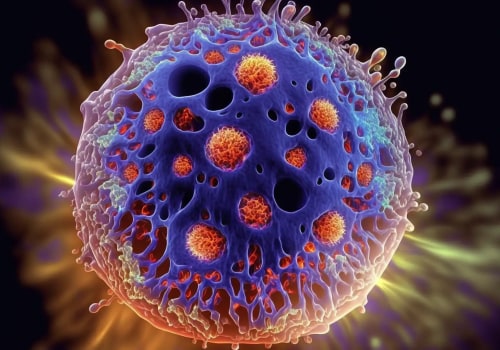
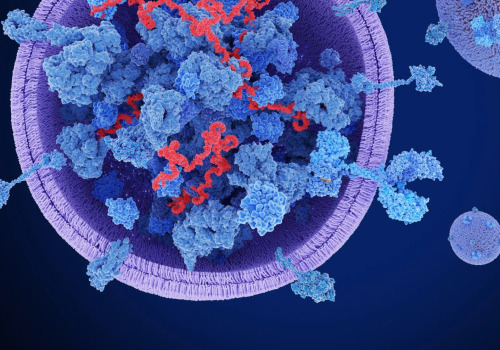
Exosomes are small extracellular vesicles, typically ranging from 30 to 150 nanometres in diameter, that play a pivotal role in intercellular communication. These vesicles are secreted by various cell types and are found in numerous biological fluids, including blood, urine, and saliva. Their composition is rich in proteins, lipids, and nucleic acids, which allows them to carry molecular messages between cells. This unique ability to transfer bioactive molecules makes exosomes significant players in numerous physiological and pathological processes, particularly in the context of cancer development.In recent years, the study of exosomes has gained momentum within the field of oncology.
Researchers have begun to uncover how these vesicles contribute to the complex landscape of cancer biology. Exosomes derived from tumour cells can influence the behaviour of surrounding cells, promoting a microenvironment conducive to tumour growth and metastasis. They can facilitate processes such as angiogenesis, immune evasion, and even drug resistance by transferring oncogenic factors or suppressive signals to neighbouring cells.The markers present on exosomes are crucial for understanding their origin and function. Commonly studied exosome markers include tetraspanins such as CD63, CD81, and CD9, which are integral to the identification and characterization of these vesicles.
The presence of specific markers can provide insights into the cellular state from which the exosomes originated, offering potential diagnostic and prognostic information regarding cancer progression. As we delve deeper into the biology of exosomes, it becomes increasingly clear that they hold promise not only as biomarkers for early detection but also as therapeutic targets in cancer treatment.The presence of specific markers can provide insights into the cellular state from which the exosomes originated, offering potential diagnostic and prognostic information regarding cancer progression. As we delve deeper into the biology of exosomes, it becomes increasingly clear that they hold promise not only as biomarkers for early detection but also as therapeutic targets in cancer treatment.
What Are Exosomes?
Exosomes are extracellular vesicles that play a pivotal role in intercellular communication. These nano-sized vesicles, typically ranging from 30 nm to 150 nm in diameter, are secreted by various cell types into the extracellular environment. Their discovery has significantly advanced our understanding of cellular interactions and the mechanisms underlying numerous biological processes, including cancer development.The structure of exosomes is characterised by a lipid bilayer membrane that encapsulates a diverse array of molecular cargo.This cargo includes proteins, lipids, nucleic acids (such as mRNA and miRNA), and other biomolecules. The lipid composition of exosomes is crucial for their stability and functionality, as it influences their interaction with recipient cells. Within the exosomal membrane, specific proteins known as tetraspanins , including CD9, CD63, and CD81, serve as markers for identifying these vesicles. These proteins are integral to the formation of tetraspanin-enriched microdomains that facilitate various cellular processes.Functionally, exosomes are involved in several key processes:
- Cell Communication: Exosomes mediate communication between cells by transferring their molecular contents to target cells.
This transfer can influence the behaviour of recipient cells, modulating processes such as proliferation, differentiation, and immune responses.
- Biomarker Potential: Due to their unique cargo reflective of their cell of origin, exosomes hold great promise as biomarkers for various diseases, including cancer. Their presence in bodily fluids such as blood and urine makes them accessible for non-invasive diagnostic applications.
- Modulation of Tumour Microenvironment: In the context of cancer, exosomes derived from tumour cells can alter the surrounding microenvironment by promoting angiogenesis, suppressing immune responses, and facilitating metastasis.
Biogenesis of Exosomes
The formation of exosomes is a complex process that begins with the endosomal pathway, a critical cellular mechanism responsible for sorting and transporting various biomolecules. Understanding this pathway is essential for comprehending how exosomes carry and deliver molecular information to other cells.Initially, the process starts with the invagination of the plasma membrane, leading to the internalisation of extracellular material.This material is then encapsulated into early endosomes, which serve as sorting hubs within the cell. As these early endosomes mature, they undergo a series of transformations to become late endosomes.During this maturation process, the late endosomes develop into multivesicular bodies (MVBs). This transformation is characterised by the internal budding of the endosomal membrane, resulting in the formation of intraluminal vesicles (ILVs). These ILVs are crucial as they contain various molecular cargoes, including proteins, lipids, and nucleic acids, which are selectively packaged based on the cell's physiological state and external stimuli.Once MVBs are formed, they can follow two distinct pathways: they can either fuse with lysosomes for degradation or be transported to the plasma membrane for exosome release.
The latter pathway is particularly significant in cancer biology, as it allows tumour-derived exosomes to enter the extracellular space and influence surrounding cells.The release of exosomes occurs through a process known as exocytosis. Upon fusion of MVBs with the plasma membrane, ILVs are expelled into the extracellular environment as exosomes. This release mechanism is regulated by various proteins and signalling pathways that ensure the correct timing and quantity of exosome secretion.Moreover, the composition of exosomes can vary significantly depending on their cellular origin and the specific conditions under which they are produced. For instance, stress conditions or activation of certain signalling pathways can alter the cargo within exosomes, thereby influencing their functional roles in intercellular communication.In summary, the biogenesis of exosomes involves intricate cellular processes that begin with endosomal formation and culminate in their release into the extracellular space.
This understanding not only sheds light on how exosomes function as carriers of molecular information but also highlights their potential roles in disease progression and therapeutic applications.
Exosome Markers: Identification and Characterization
Exosomes are increasingly recognised as vital players in intercellular communication, particularly in the context of cancer. Their identification and characterization are crucial for understanding their roles in disease progression and potential therapeutic applications. Among the most commonly used exosome markers are CD63, CD81, and CD9, which belong to the tetraspanin family of proteins.CD63
is a well-established marker for exosomes, often used in various studies to confirm the presence of these vesicles. It is involved in multiple cellular processes, including endocytosis and cell adhesion.
The expression levels of CD63 can vary depending on the cell type and its physiological state, making it a valuable marker for assessing exosomal content in different contexts.
CD81
, another prominent tetraspanin, plays a significant role in exosome biogenesis and function. It facilitates the formation of tetraspanin-enriched microdomains within the plasma membrane, which are essential for exosome release. The presence of CD81 on exosomes has been linked to their ability to mediate cell-to-cell communication, particularly in cancer metastasis.
CD9
is also frequently used as a marker for exosomes. Similar to CD63 and CD81, it contributes to the structural integrity of exosomes and is involved in various signalling pathways.
The detection of CD9 can provide insights into the functional status of exosomes derived from different cell types.Characterization methods for these markers typically involve techniques such as Western blotting , flow cytometry , and mass spectrometry. Western blotting allows for the detection of specific proteins within exosomal preparations, providing qualitative and quantitative data on marker expression. Flow cytometry offers a rapid means to analyse multiple markers simultaneously on individual exosomes, enabling detailed profiling of their surface characteristics.Mass spectrometry further enhances our understanding by allowing for comprehensive proteomic analysis of exosomes. This technique can identify not only tetraspanin markers but also other proteins that may be indicative of specific cellular states or disease conditions.The relevance of these markers extends beyond mere identification; they serve as potential biomarkers for cancer diagnostics.
Elevated levels of specific exosomal markers have been associated with various malignancies, suggesting that they could be utilised for early detection or monitoring treatment responses.In summary, the identification and characterization of exosome markers such as CD63, CD81, and CD9 are fundamental to advancing our understanding of their roles in cancer biology. As research progresses, these markers may pave the way for innovative diagnostic tools and therapeutic strategies aimed at improving patient outcomes.
The Role of Exosomes in Cancer Development
Exosomes play a pivotal role in the complex landscape of cancer development, influencing various stages from initial tumor growth to metastasis and interactions with the immune system. These small extracellular vesicles, secreted by both cancerous and non-cancerous cells, carry a diverse array of molecular cargo that can significantly alter the behaviour of recipient cells.One of the primary functions of exosomes in cancer progression is their ability to facilitate communication within the tumour microenvironment. Tumour cells release exosomes that contain proteins, lipids, and nucleic acids, which can modulate the behaviour of surrounding stromal cells, including fibroblasts and immune cells.This interaction can promote a supportive environment for tumour growth by enhancing angiogenesis, suppressing immune responses, and facilitating cellular proliferation.
Exosomal Cargo and Tumour Growth
The cargo within exosomes is crucial for their role in cancer. For instance, exosomes derived from cancer cells often contain oncogenic proteins and specific microRNAs (miRNAs) that can induce changes in neighbouring cells. These changes may include:- Promotion of cell proliferation: Exosomal miRNAs can downregulate tumour suppressor genes in adjacent cells, leading to increased growth rates.
- Induction of angiogenesis: Exosomes can carry pro-angiogenic factors that stimulate the formation of new blood vessels, ensuring an adequate supply of nutrients and oxygen to the growing tumour.
- Immune evasion: By transferring immunosuppressive molecules, exosomes can help tumours evade detection and destruction by the immune system.
Metastasis and Exosome Functionality
Metastasis, the spread of cancer from its original site to other parts of the body, is another critical area where exosomes exert their influence. Tumour-derived exosomes can prepare distant sites for metastatic colonisation through a process known as pre-metastatic niche formation.They achieve this by:
- Modulating the local environment: Exosomes can alter the extracellular matrix composition and recruit immune cells to create a favourable niche for incoming metastatic cells.
- Enhancing migratory capabilities: The proteins and miRNAs within exosomes can promote epithelial-to-mesenchymal transition (EMT), a key process that enables cancer cells to migrate and invade other tissues.
Exosomal Cargo: Proteins, Lipids, and Nucleic Acids
Exosomes are known to carry a diverse array of biomolecules, which include proteins, lipids, and nucleic acids. The composition of these cargo components is crucial for understanding their roles in cancer biology and their potential as biomarkers for diagnosis and prognosis.Proteins in Exosomes
Exosomal proteins play a pivotal role in mediating intercellular communication and influencing various biological processes. These proteins can be broadly classified into two categories: specific and non-specific proteins.Specific proteins are closely associated with the biological functions of the originating cells, while non-specific proteins are shared across different cell types.
- Specific Proteins: These include markers such as CD63, CD9, and CD81, which are integral to exosome identification. Additionally, proteins like MHC-II and integrins are involved in immune responses and cell adhesion, respectively.
- Non-Specific Proteins: Common examples include heat shock proteins (HSPs) such as HSP70 and HSP90, which are involved in protein folding and protection against stress.
Lipids in Exosomes
The lipid composition of exosomes is equally significant. Exosomal membranes are rich in sphingolipids and cholesterol, which contribute to membrane stability and fluidity. These lipids not only serve structural roles but also participate in signalling pathways that can influence cancer cell behaviour.For instance, certain lipid species can modulate the activity of oncogenic pathways or promote immune evasion by altering the surface properties of exosomes.
Nucleic Acids in Exosomes
Nucleic acids, particularly RNA , represent another critical component of exosomal cargo. Exosomes can carry various types of RNA, including:- MicroRNAs (miRNAs): These small non-coding RNAs play essential roles in gene regulation and have been implicated in cancer metastasis and drug resistance.
- Messenger RNAs (mRNAs): The presence of mRNAs in exosomes can indicate active protein synthesis processes occurring within the originating cells.
- Long non-coding RNAs (lncRNAs): These molecules are involved in regulating gene expression and have been associated with various cancer-related pathways.
Exosomes as Biomarkers for Cancer Diagnosis and Prognosis
Exosomes have emerged as promising non-invasive biomarkers for cancer diagnosis and prognosis, offering a unique window into the molecular landscape of tumours. These nanoscale vesicles, secreted by various cell types, encapsulate a diverse array of biomolecules, including proteins, lipids, and nucleic acids, which reflect the physiological state of their parent cells.This characteristic makes exosomes particularly valuable in oncology, where early detection and accurate prognostication are crucial for effective treatment.Recent studies have demonstrated that the composition of exosomes can vary significantly between healthy individuals and those with cancer. For instance, tumour-derived exosomes often carry specific oncogenic proteins and altered microRNA (miRNA) profiles that can serve as indicators of malignancy. The presence of certain exosomal markers, such as CD63 , CD81 , and TSG101 , has been linked to various cancer types, including breast, prostate, and lung cancers. These markers not only aid in the identification of cancerous cells but also provide insights into the tumour's biology and behaviour.Moreover, the ability to isolate exosomes from easily accessible biological fluids such as blood, urine, and saliva enhances their utility as diagnostic tools.
Liquid biopsies that analyse exosomal content can potentially replace more invasive procedures like biopsies, making cancer screening more patient-friendly. For example, a study found that analysing exosomal miRNA profiles in plasma could distinguish between patients with lung cancer and healthy controls with high sensitivity and specificity.The prognostic value of exosomes is equally compelling. Research indicates that the levels of specific exosomal biomarkers correlate with disease progression and patient outcomes. Elevated concentrations of certain miRNAs within exosomes have been associated with poor prognosis in various cancers.
This correlation suggests that monitoring exosomal content over time could provide valuable information regarding treatment response and disease recurrence.In summary, the potential of exosomes as biomarkers for cancer diagnosis and prognosis is vast. Their ability to reflect the molecular characteristics of tumours non-invasively positions them at the forefront of cancer research and clinical applications. As our understanding of exosome biology deepens, we can anticipate more refined diagnostic tools and therapeutic strategies that leverage these vesicles to improve patient outcomes.
Therapeutic Applications of Exosomes in Cancer Treatment
Exosomes have emerged as a promising avenue in the realm of cancer therapy, primarily due to their unique properties that facilitate targeted drug delivery and their potential as therapeutic agents. These nanoscale vesicles, which are naturally secreted by cells, can encapsulate a variety of bioactive molecules, including proteins, lipids, and nucleic acids, making them ideal candidates for innovative therapeutic strategies.One of the most significant advantages of using exosomes in cancer treatment is their ability to serve as drug delivery vehiclesdrug delivery vehicles.Their lipid bilayer structure allows them to protect therapeutic agents from degradation while enhancing their stability and bioavailability. This is particularly crucial for sensitive molecules such as RNA-based therapies, which can be rapidly degraded in the bloodstream. By loading these agents into exosomes, researchers can improve their pharmacokinetics and ensure that they reach the target cells more effectively.Moreover, exosomes possess inherent targeting capabilities due to their origin from specific cell types. For instance, exosomes derived from cancer cells can preferentially deliver therapeutic payloads to other cancer cells, thereby minimising off-target effects and reducing toxicity to healthy tissues.
This selective targeting is facilitated by surface proteins on exosomes that interact with receptors on recipient cells, allowing for efficient uptake.Recent innovations in cancer therapy have focused on engineering exosomes to enhance their therapeutic potential. Techniques such as genetic modification of donor cells can be employed to produce exosomes with specific surface markers or loaded with desired therapeutic agents. For example, exosomes can be engineered to express ligands that bind to receptors overexpressed on tumour cells, further improving their targeting efficiency.In addition to serving as drug delivery systems, exosomes themselves can also act as therapeutic targets. Tumour-derived exosomes often carry molecular signatures reflective of the parent tumour's state and can influence the tumour microenvironment by modulating immune responses.
Targeting these exosomes may provide a novel approach to disrupt cancer progression and metastasis.As research continues to unveil the multifaceted roles of exosomes in cancer biology, their application in clinical settings appears increasingly viable. The integration of exosome-based therapies into existing treatment regimens could potentially revolutionise cancer care by providing more effective and less toxic treatment options.
<strong>Challenges and Future Directions in Exosome Research</strong>
The field of exosome research is rapidly evolving, yet it faces several challenges that must be addressed to fully harness the potential of exosomes in cancer diagnostics and therapeutics. One of the primary challenges is the standardisation of isolation and characterisation techniques. Currently, various methods such as ultracentrifugation, precipitation, and size-exclusion chromatography are employed to isolate exosomes, but these techniques can yield inconsistent results.The lack of a universally accepted protocol complicates comparisons across studies and hinders the reproducibility of findings.Moreover, the heterogeneity of exosomes presents another significant hurdle. Exosomes derived from different cell types or even from the same cell type under varying conditions can have distinct molecular compositions. This variability can affect their biological functions and their utility as biomarkers. Understanding the specific roles of different exosome subtypes in cancer progression is crucial for developing targeted therapies.Another challenge lies in the mechanistic understanding of how exosomes influence cancer biology.
While it is established that exosomes can facilitate intercellular communication and modulate the tumour microenvironment, the precise mechanisms by which they exert these effects remain poorly understood. Further research is needed to elucidate the signalling pathways involved and how these pathways can be manipulated for therapeutic benefit.Looking towards the future, there are promising directions for exosome research. Advances in nanotechnology and bioengineering may enable the development of more efficient methods for exosome isolation and modification. For instance, engineered exosomes could be designed to deliver therapeutic agents directly to cancer cells, enhancing treatment efficacy while minimising side effects.Additionally, integrating multi-omics approaches , which combine genomics, proteomics, and metabolomics, could provide a more comprehensive understanding of exosomal content and its implications in cancer.
This holistic view may lead to the identification of novel biomarkers for early detection and prognosis.In conclusion, while challenges in exosome research persist, ongoing advancements in technology and methodology hold great promise for overcoming these obstacles. By addressing these issues, researchers can unlock the full potential of exosomes as powerful tools in cancer diagnosis and treatment.