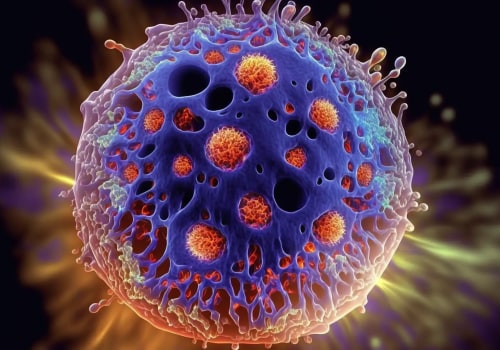
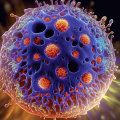
Exosomes are fascinating extracellular vesicles that play a crucial role in cellular communication. These tiny structures, typically ranging from 30 to 150 nanometres in diameter, are secreted by various cell types and are involved in the transfer of information between cells. They contain a diverse array of biomolecules, including proteins, lipids, and nucleic acids, which can influence the behaviour of recipient cells. This unique ability to convey molecular signals makes exosomes essential players in numerous biological processes.To understand the significance of exosomes, it is important to define what they are.
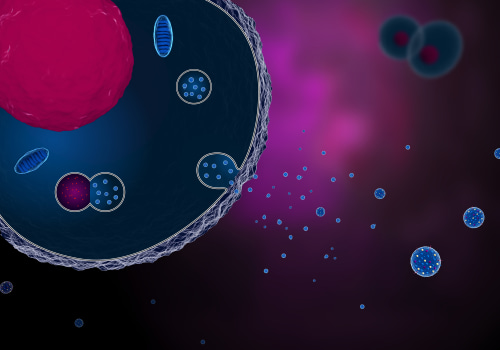
Exosomes originate from the endosomal system within cells. When a cell engulfs material from its environment, it forms an endosome that can mature into a multivesicular body (MVB). These MVBs can then fuse with the plasma membrane, releasing exosomes into the extracellular space. This process not only facilitates intercellular communication but also plays a role in waste management and the removal of unwanted cellular components.The functions of exosomes extend far beyond mere communication; they are involved in various physiological and pathological processes.
For instance, exosomes have been implicated in immune responses, where they can modulate the activity of immune cells and influence inflammation. Additionally, they play a significant role in cancer biology by facilitating tumour progression and metastasis through the transfer of oncogenic factors. Their ability to carry specific cargo tailored to target cells makes them an attractive focus for therapeutic applications.As research continues to unveil the complexities of exosome biology, their potential as diagnostic and therapeutic tools becomes increasingly apparent. Understanding exosomes is not just about grasping their definition or function; it is about recognising their transformative impact on medicine and cellular interactions.
The Biology of Exosomes
Exosomes are fascinating entities that play a pivotal role in cellular communication and intercellular signalling.Understanding the biology of exosomes involves exploring their biogenesis , composition, and the intricate processes that lead to their formation and secretion.
Biogenesis of Exosomes
The journey of exosome formation begins within the cell, specifically in the endosomal compartment. Initially, the inward budding of the plasma membrane leads to the formation of early endosomes. These early endosomes can mature into late endosomes, which then undergo further invagination to create intraluminal vesicles (ILVs). It is within these ILVs that exosomes are formed.
The process is regulated by various proteins, including tetraspanins, ESCRT (Endosomal Sorting Complex Required for Transport) machinery, and lipids that contribute to the membrane dynamics.Once formed, these ILVs are packaged into multivesicular bodies (MVBs), which can either fuse with lysosomes for degradation or be transported to the plasma membrane for secretion as exosomes. This dual pathway highlights the cell's ability to control the fate of these vesicles based on physiological needs.
Composition of Exosomes
Exosomes are composed of a lipid bilayer that encapsulates a variety of biomolecules, making them unique carriers of cellular information. The lipid composition includes phospholipids, cholesterol, and sphingolipids, which not only provide structural integrity but also influence the exosome's interaction with recipient cells.Inside exosomes, one can find a rich cargo of proteins, nucleic acids, and lipids. The protein content often includes enzymes, receptors, and signalling molecules that can modulate recipient cell behaviour.
Nucleic acids such as mRNA and microRNA play crucial roles in gene regulation and can influence cellular processes in target cells. This diverse composition allows exosomes to participate in various biological functions, including immune responses, tissue repair, and even cancer progression.
Secretion Mechanism
The secretion of exosomes is a highly regulated process. Upon maturation of MVBs, they migrate towards the plasma membrane where they undergo fusion with it, releasing their contents into the extracellular space. This process can be influenced by various factors such as cellular stress, inflammation, and environmental stimuli, which can enhance or inhibit exosome release.In summary, understanding the biology of exosomes—ranging from their biogenesis to their complex composition—provides valuable insights into their functional roles in health and disease.
As research continues to unfold the mysteries surrounding these vesicles, their potential applications in therapeutic contexts become increasingly apparent.
Mechanisms of Cellular Communication via Exosomes
Exosomes play a crucial role in cellular communication, acting as vehicles for intercellular signaling that facilitate the exchange of information between cells. These small extracellular vesicles are released by various cell types and contain a diverse array of biomolecules, including proteins, lipids, and nucleic acids. This composition allows exosomes to convey complex messages that can influence the behaviour of recipient cells.One of the primary mechanisms through which exosomes mediate communication is by delivering their cargo directly to target cells. Upon fusion with the recipient cell membrane, exosomes release their contents into the cytoplasm, initiating a cascade of intracellular signalling pathways.This process can alter gene expression, modulate cellular responses, and even affect the overall function of the target cell.Exosomes are particularly adept at facilitating signal transduction. They can carry specific proteins that act as ligands for receptors on the surface of recipient cells. When these ligands bind to their respective receptors, they trigger a series of biochemical reactions within the target cell. This interaction can lead to various outcomes, such as cell proliferation, differentiation, or apoptosis, depending on the context and nature of the signal.Moreover, exosomes are involved in the transfer of genetic material, including microRNAs (miRNAs) and messenger RNAs (mRNAs).
These molecules can regulate gene expression in recipient cells by either promoting or inhibiting specific pathways. For instance, miRNAs carried by exosomes can silence target genes, thereby influencing cellular processes such as inflammation and immune responses.The types of information exchanged via exosomes are vast and varied. They can transmit signals related to stress responses, metabolic changes, and even pathological conditions such as cancer. In the context of cancer, exosomes can carry oncogenic factors that promote tumour growth and metastasis, highlighting their dual role in both health and disease.In summary, the mechanisms of cellular communication via exosomes are intricate and multifaceted.
By understanding how exosomes facilitate intercellular signaling, researchers can unlock their therapeutic potential, paving the way for innovative treatments that harness these natural messengers to modulate cellular behaviour in a targeted manner.
Therapeutic Applications of Exosomes
Exosomes have emerged as a revolutionary tool in the field of medicine, particularly in the realm of therapeutic applications. Their unique properties allow them to serve as effective vehicles for drug delivery, regenerative medicine, and treatment of various diseases. This section delves into the multifaceted roles of exosomes in therapeutic contexts.Drug Delivery Systems
One of the most promising applications of exosomes is their use as drug delivery systems. Due to their natural origin and biocompatibility, exosomes can encapsulate therapeutic agents such as proteins, nucleic acids, and small molecules.
This encapsulation not only protects these agents from degradation but also enhances their bioavailability. Exosomes can efficiently target specific cells or tissues, thereby minimising side effects associated with conventional drug delivery methods.Recent studies have demonstrated that exosomes derived from mesenchymal stem cells (MSCs) can deliver anti-inflammatory drugs directly to inflamed tissues, significantly improving therapeutic outcomes. This targeted approach reduces the systemic exposure of drugs, thereby lowering potential toxicity.
Regenerative Medicine
In the field of regenerative medicine, exosomes play a crucial role in promoting tissue repair and regeneration. They are rich in growth factors and cytokines that facilitate cellular communication and stimulate healing processes.
For instance, exosomes derived from stem cells have been shown to enhance wound healing by promoting angiogenesis and collagen synthesis.Moreover, exosome therapy has shown promise in treating degenerative diseases such as osteoarthritis and cardiovascular disorders. By modulating inflammatory responses and promoting cell survival, exosomes can help restore damaged tissues and improve overall function.
Treatment of Diseases
The therapeutic potential of exosomes extends to various diseases, including cancer. Exosome-based therapies are being explored for their ability to deliver chemotherapeutic agents directly to tumour cells while sparing healthy tissues. This targeted delivery system not only enhances the efficacy of cancer treatments but also reduces adverse effects commonly associated with chemotherapy.Furthermore, exosomes have been implicated in the modulation of immune responses, making them valuable in treating autoimmune diseases and infections.
By harnessing their ability to communicate between cells, researchers are investigating how exosomes can be used to reprogram immune responses for better disease management.In conclusion, the therapeutic applications of exosomes are vast and varied. As research continues to uncover their potential, exosomes are poised to transform the landscape of modern medicine by offering innovative solutions for drug delivery, regenerative therapies, and disease treatment.
Exosomes in Skin Care: A Revolutionary Approach
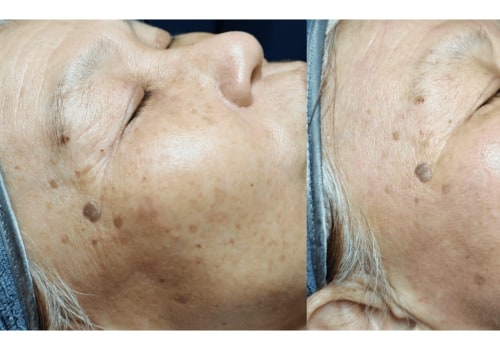
The integration of exosomes into skincare has emerged as a groundbreaking advancement in cosmetic medicine, offering a novel approach to skin rejuvenation and anti-aging treatments. These tiny extracellular vesicles, derived from various cell types, play a crucial role in cellular communication and have been identified as powerful agents in promoting skin health.One of the primary benefits of exosome therapy in skincare is their ability to enhance the skin's natural healing processes. Exosomes are rich in bioactive molecules, including growth factors, proteins, and nucleic acids, which are essential for cellular regeneration.When applied topically or through procedures such as micro-needling, exosomes can penetrate deeply into the skin, delivering these vital components directly to target cells.
Key Benefits of Exosome Therapy for Skin:
- Collagen Production: Exosomes stimulate fibroblasts to produce collagen and elastin, leading to improved skin elasticity and firmness.
- Reduction of Inflammation: The anti-inflammatory properties of exosomes help to calm irritated skin, reducing redness and swelling.
- Enhanced Skin Texture: Regular use of exosome treatments can result in smoother skin texture by promoting cell turnover and reducing the appearance of fine lines and wrinkles.
- Improved Hydration: Exosomes can enhance the skin's moisture retention capabilities, leading to a plumper and more youthful appearance.
- Accelerated Healing: For individuals recovering from procedures like chemical peels or laser treatments, exosomes can significantly speed up the healing process.
Challenges and Limitations in Exosome Research
While the potential of exosomes in therapeutic applications is vast, several challenges and limitations hinder their widespread adoption and efficacy.Understanding these obstacles is crucial for researchers and practitioners aiming to harness the full power of exosome technology.
Isolation and Characterization Challenges
One of the primary challenges in exosome research is the isolation and characterization of these vesicles. The methods currently employed, such as ultracentrifugation, precipitation, and size-exclusion chromatography, can yield varying results in terms of purity and yield. This inconsistency complicates the reproducibility of studies and makes it difficult to compare findings across different research groups.Standardization Issues
There is a notable lack of standardization in the protocols used for exosome isolation and analysis. Without universally accepted guidelines, researchers may employ different techniques that lead to discrepancies in data interpretation.This variability can obscure the true biological significance of exosomes and their potential therapeutic effects.
Biological Variability
The biological variability of exosomes derived from different cell types or even from the same cell type under varying conditions poses another significant challenge. Factors such as the source of exosomes, the physiological state of the donor cells, and environmental conditions can all influence the composition and functionality of exosomes. This variability complicates efforts to develop consistent therapeutic applications.Delivery Mechanisms
Another limitation lies in the effective delivery of exosomes to target tissues. While exosomes have inherent properties that facilitate cellular uptake, ensuring that they reach specific sites within the body remains a challenge.The development of targeted delivery systems that can enhance the biodistribution and accumulation of exosomes at desired sites is essential for maximizing their therapeutic potential.
Regulatory Hurdles
The regulatory landscape surrounding exosome-based therapies is still evolving. As with any novel therapeutic approach, navigating the regulatory requirements for safety and efficacy can be complex. Regulatory bodies require comprehensive data on the manufacturing processes, quality control measures, and clinical outcomes associated with exosome therapies before granting approval for clinical use.Immunogenicity Concerns
Although exosomes are generally considered non-immunogenic, there are instances where they may elicit an immune response, particularly when derived from allogeneic sources. Understanding the immunological implications of exosome therapy is vital to ensure patient safety and treatment efficacy.In conclusion, while exosomes hold great promise for various therapeutic applications, addressing these challenges is essential for advancing research and clinical practice.Continued efforts in standardization, characterization, and delivery mechanisms will pave the way for more effective use of exosomes in medicine.
Future Prospects: The Next Frontier in Exosome Research
The field of exosome research is rapidly evolving, with numerous advancements on the horizon that promise to revolutionise therapeutic applications. As scientists delve deeper into the mechanisms of exosome biogenesis, secretion, and their roles in intercellular communication, we can anticipate significant breakthroughs that will enhance our understanding and utilisation of these remarkable vesicles.One of the most exciting prospects is the development of exosome-based therapies tailored for specific diseases. Researchers are exploring the potential of engineering exosomes to carry targeted therapeutic agents, such as RNA molecules or proteins, directly to diseased cells. This precision medicine approach could lead to more effective treatments with fewer side effects compared to traditional therapies.Moreover, advancements in isolation and characterisation techniques are expected to improve the efficiency and purity of exosome extraction.Techniques such as microfluidics and advanced chromatography may allow for the rapid and scalable production of high-quality exosomes, facilitating their use in clinical settings. This could significantly accelerate the transition from laboratory research to practical applications in patient care.Another area ripe for exploration is the role of exosomes in immune modulation. As our understanding of their immunological functions deepens, we may see innovative therapies that harness exosomes to modulate immune responses in conditions such as autoimmune diseases or cancer. By manipulating the content of exosomes derived from immune cells, researchers could potentially create treatments that enhance or suppress immune activity as needed.Furthermore, the integration of nanotechnology with exosome research holds great promise.
By combining nanomaterials with exosomes, scientists can enhance their stability and delivery capabilities. This synergy could lead to novel drug delivery systems that not only improve therapeutic efficacy but also provide real-time monitoring of treatment responses through biosensors embedded within the exosomes.As we look ahead, it is clear that the future of exosome therapy is bright. With ongoing research and technological advancements, we are likely to witness a surge in innovative applications across various fields, including oncology, neurology, and regenerative medicine. The potential for exosomes to serve as both diagnostic tools and therapeutic agents positions them at the forefront of modern medicine.In conclusion, the next frontier in exosome research is filled with possibilities.
As we continue to unlock their secrets and harness their capabilities, exosomes may well become a cornerstone of future medical therapies, paving the way for more personalised and effective treatment options.
Frequently Asked Questions about Exosomes
Exosomes have garnered significant attention in recent years, leading to a plethora of questions regarding their nature, functions, and therapeutic applications. Below are some of the most frequently asked questions about exosomes and their relevance in modern science.What are exosomes?
Exosomes are small extracellular vesicles, typically ranging from 30 to 150 nanometers in diameter, that are secreted by various cell types. They play a crucial role in intercellular communication by transporting proteins, lipids, and nucleic acids between cells. This unique ability allows exosomes to influence various biological processes, including immune responses and tissue regeneration.How are exosomes produced?
Exosomes originate from the endosomal system of cells.When a cell engulfs material from its environment, it forms an endosome. As the endosome matures, it can bud off smaller vesicles known as multivesicular bodies (MVBs). These MVBs can then fuse with the cell membrane, releasing exosomes into the extracellular space.
What is exosome therapy?
Exosome therapy involves using exosomes derived from specific cell types to promote healing and regeneration in various medical conditions. This therapy harnesses the natural properties of exosomes to deliver therapeutic agents directly to target cells, enhancing treatment efficacy while minimising side effects.What conditions can be treated with exosome therapy?
- Skin rejuvenation and anti-aging treatments
- Cardiovascular diseases
- Cancer therapies
- Neurological disorders
- Musculoskeletal injuries
Are there any side effects associated with exosome therapy?
While exosome therapy is generally considered safe due to the low immunogenicity of exosomes, potential side effects may still occur.These can include mild inflammation at the injection site or transient flu-like symptoms. It is essential for patients to consult with healthcare professionals to discuss any concerns prior to undergoing treatment.
How do exosomes differ from stem cells?
Exosomes are not living cells; rather, they are vesicles that carry molecular information. Unlike stem cells, which can differentiate into various cell types, exosomes primarily function as carriers of bioactive molecules that facilitate communication between cells. This distinction makes exosomes a less controversial option for therapeutic applications.In summary, understanding the fundamental aspects of exosomes and their therapeutic potential can help demystify their role in modern medicine.As research continues to evolve, so too will our comprehension of how these remarkable vesicles can be harnessed for health benefits.
Conclusion: The Transformative Potential of Exosomes
In summary, the exploration of exosomes has unveiled a remarkable frontier in the realm of cellular communication and therapeutic applications. These minute extracellular vesicles, ranging from 30 to 100 nm, serve as vital messengers between cells, facilitating the transfer of proteins, lipids, and nucleic acids. Their unique properties, including low immunogenicity and excellent biocompatibility, position them as promising candidates for a variety of medical applications.Throughout this article, we have delved into the multifaceted roles of exosomes in both health and disease. From their potential in drug delivery systems to their regenerative capabilities in skin care, exosomes are proving to be invaluable tools in modern medicine.Their ability to enhance cellular communication not only aids in the treatment of diseases but also opens new avenues for research into cellular processes.Moreover, the therapeutic benefits of exosomes derived from mesenchymal stem cells (MSCs) and neural stem cells (NSCs) highlight their potential in treating a range of conditions, from neurodegenerative diseases to inflammatory disorders. The anti-aging properties associated with exosome therapy further underscore their versatility, offering innovative solutions for skin rejuvenation and overall health improvement.However, it is crucial to acknowledge that while exosomes hold immense promise, challenges remain. The complexities surrounding their isolation, characterization, and clinical application necessitate ongoing research and development. As we continue to unravel the intricacies of exosome biology, we can anticipate significant advancements that will enhance our understanding and utilization of these powerful vesicles.In conclusion, the transformative potential of exosomes is undeniable.
As we stand on the brink of a new era in medicine, embracing the capabilities of exosomes could lead to groundbreaking therapies that not only improve patient outcomes but also redefine our approach to health and disease management. The future of exosome research is bright, and its implications for cellular communication and therapeutic innovation are boundless.