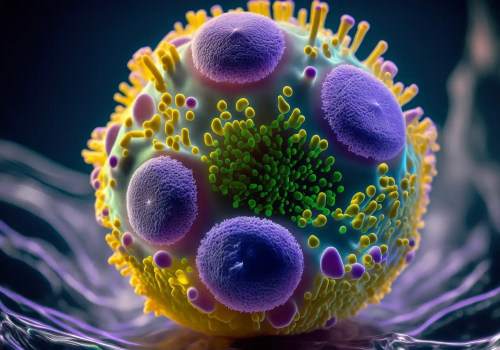
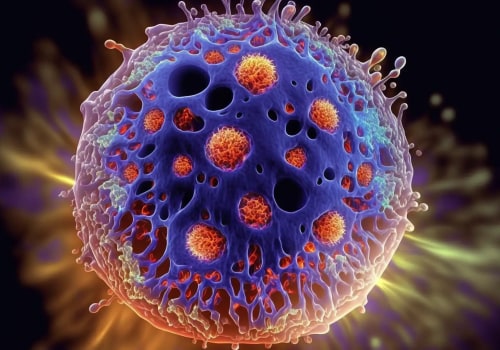
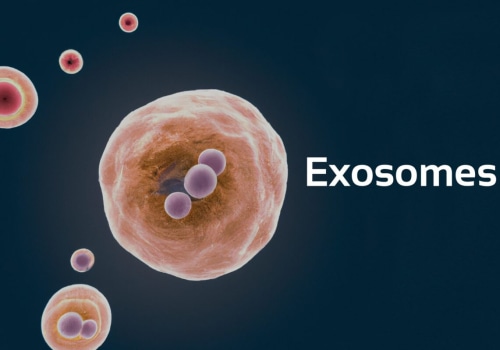
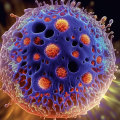
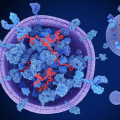
Exosomes are fascinating biological entities that have garnered significant attention in recent years, particularly within the realms of regenerative medicine and cellular therapy. These Exosomes are fascinating biological entities that have garnered significant attention in recent years, particularly within the realms of regenerative medicine and cellular therapy. These extracellular vesicles are secreted by various cell types and play a pivotal role in intercellular communication. To understand their importance, it is essential to first grasp what exosomes are, their structure, and their primary functions.Structurally, exosomes are small membrane-bound vesicles, typically ranging from 30 to 150 nanometers in diameter. They are formed within the endosomal system of cells and are released into the extracellular space when multivesicular bodies fuse with the plasma membrane.
This unique formation process allows exosomes to encapsulate a variety of biomolecules, including proteins, lipids, and nucleic acids, which they carry to other cells. This cargo is crucial as it can influence the behaviour and function of recipient cells, making exosomes vital players in numerous physiological processes.The primary function of exosomes lies in their ability to facilitate communication between cells. They act as messengers, transferring molecular signals that can modulate various biological activities such as immune responses, tissue repair, and even cellular regeneration. For instance, when exosomes are released from stem cells, they can promote healing by delivering growth factors and genetic material that encourage the repair of damaged tissues.
This mechanism highlights their potential therapeutic applications, particularly in treating conditions related to inflammation and degeneration.As we delve deeper into the world of exosomes throughout this article, it will become increasingly clear how these tiny vesicles hold immense potential for advancing medical treatments and enhancing overall health. Understanding their fundamental characteristics is the first step towards unlocking the myriad benefits they offer in cellular therapy.
The Science Behind Exosomes
Exosomes are fascinating biological entities that play a crucial role in cellular communication and signalling. These extracellular vesicles, typically ranging from 30 to 150 nanometres in diameter, are secreted by various cell types and are involved in the transfer of proteins, lipids, and nucleic acids between cells. This process is essential for maintaining homeostasis and facilitating intercellular communication.At the core of exosome biology is their ability to mediate communication between cells.When a cell releases exosomes, they carry molecular messages that can influence the behaviour of recipient cells. This communication can modulate various physiological processes, including immune responses, tissue repair, and even the progression of diseases. For instance, exosomes derived from immune cells can enhance or suppress immune responses, depending on the context.One of the key mechanisms by which exosomes exert their effects is through cargo delivery. The contents of exosomes include a diverse array of biomolecules such as:
- Proteins: These can include enzymes, receptors, and signalling molecules that can alter the function of target cells.
- Nucleic acids: Exosomes often carry microRNAs and mRNAs that can regulate gene expression in recipient cells.
- Lipids: The lipid composition of exosomes can influence membrane dynamics and cellular signalling pathways.
For example, when exosomes from stem cells are introduced to damaged tissues, they can promote healing by delivering growth factors and other regenerative signals that stimulate cellular repair processes.Moreover, the biogenesis of exosomes involves a complex process where endosomal compartments within the cell form multivesicular bodies (MVBs). These MVBs then fuse with the plasma membrane to release exosomes into the extracellular space. This intricate process highlights the sophisticated nature of cellular communication facilitated by exosomes.Understanding the science behind exosomes not only sheds light on their fundamental biological roles but also underscores their therapeutic potential. As research continues to unveil the complexities of exosome biology, it becomes increasingly clear that these tiny vesicles hold significant promise for advancing regenerative medicine and therapeutic interventions.
Exosomes in Regenerative Medicine
Exosomes have emerged as a revolutionary component in the field of regenerative medicine, offering a novel approach to tissue repair and regeneration.These nanoscale vesicles, secreted by various cell types, play a crucial role in intercellular communication, facilitating the transfer of proteins, lipids, and genetic material. This unique ability positions exosomes as powerful agents in promoting healing and recovery in damaged tissues.One of the most significant benefits of exosome therapy is its potential to enhance the body’s natural healing processes. By delivering bioactive molecules directly to target cells, exosomes can stimulate cellular responses that lead to tissue regeneration. For instance, studies have shown that exosomes derived from mesenchymal stem cells (MSCs) can significantly reduce inflammation and promote the repair of damaged tissues, such as cartilage and muscle.
Applications of Exosomes in Regenerative Medicine
The applications of exosomes in regenerative medicine are vast and varied.Here are some notable examples:
- Orthopaedics: Exosome therapy has been used to treat joint injuries and degenerative diseases like osteoarthritis. By injecting exosomes into affected joints, patients have reported reduced pain and improved mobility due to enhanced cartilage repair.
- Cardiovascular Health: Research indicates that exosomes can aid in cardiac repair following myocardial infarction. They promote angiogenesis (the formation of new blood vessels) and improve heart function by delivering growth factors that stimulate tissue regeneration.
- Neurology: In neurodegenerative conditions such as Alzheimer’s disease, exosomes have shown promise in delivering therapeutic agents across the blood-brain barrier, potentially slowing disease progression and enhancing neuronal survival.
- Wound Healing: Exosome therapy has been explored for its ability to accelerate wound healing. By applying exosomes topically or through injections, the healing process can be significantly expedited, making it a valuable tool for treating chronic wounds.
For example, a clinical trial involving patients with knee osteoarthritis demonstrated significant improvements in pain levels and joint function after treatment with MSC-derived exosomes. Similarly, patients recovering from heart surgery showed enhanced cardiac function when treated with exosome therapy compared to standard care.In conclusion, the integration of exosomes into regenerative medicine represents a promising frontier that harnesses the body’s innate healing capabilities. As research continues to unfold, the potential applications and benefits of exosome therapy are likely to expand, offering hope for more effective treatments across various medical disciplines.
Exosomes and Skin Health
Exosomes have emerged as a revolutionary component in the realm of skincare, offering a multitude of benefits that can significantly enhance skin health. These microscopic vesicles, secreted by cells, play a crucial role in cellular communication and regeneration, making them an invaluable asset in skin treatments.One of the primary advantages of exosome therapy is its ability to improve skin texture.By promoting cellular turnover and encouraging the natural healing processes of the skin, exosomes can help to smooth out rough patches and reduce the appearance of fine lines and wrinkles. This rejuvenation effect is particularly beneficial for individuals seeking to restore a youthful glow to their complexion.In addition to enhancing texture, exosomes also contribute to an even skin tone. They work by modulating inflammation and promoting the repair of damaged skin cells, which can lead to a reduction in hyperpigmentation and redness. As a result, many users report a more balanced and radiant complexion after incorporating exosome-based treatments into their skincare routines.Furthermore, exosomes are known for their hydrating properties. By promoting cellular turnover and encouraging the natural healing processes of the skin, exosomes can help to smooth out rough patches and reduce the appearance of fine lines and wrinkles. This rejuvenation effect is particularly beneficial for individuals seeking to restore a youthful glow to their complexion.In addition to enhancing texture, exosomes also contribute to an even skin tone. They work by modulating inflammation and promoting the repair of damaged skin cells, which can lead to a reduction in hyperpigmentation and redness. As a result, many users report a more balanced and radiant complexion after incorporating exosome-based treatments into their skincare routines.Furthermore, exosomes are known for their hydrating properties.
They facilitate the delivery of essential nutrients and growth factors directly to the skin cells, which helps to maintain moisture levels and improve overall skin elasticity. This hydration not only makes the skin appear plumper but also aids in its resilience against environmental stressors.Integrating exosomes into your skincare regimen can be done through various methods:
- Topical Applications: Many skincare products now include exosome extracts that can be applied directly to the skin. These formulations are designed to penetrate deeply, delivering the benefits of exosomes effectively.
- Microneedling Treatments: Combining microneedling with exosome therapy can amplify results. The microneedling process creates micro-injuries that stimulate collagen production while allowing exosomes to penetrate more deeply into the dermis.
- Injectable Treatments: For targeted rejuvenation, exosomes can be injected into specific areas of concern, providing localized benefits such as wrinkle reduction and enhanced volume.
As research continues to unveil their potential, exosome therapy stands out as a promising option for those looking to rejuvenate their skin effectively.
The Role of Exosome Sourcing and Isolation Techniques
When it comes to the effectiveness of exosome therapy, the methods used for sourcing and isolating these tiny vesicles play a crucial role. The quality and characteristics of exosomes can vary significantly depending on their origin and the techniques employed during their extraction. Understanding these factors is essential for both practitioners and patients seeking optimal therapeutic outcomes.Sourcing Methods for Exosomes
- Cell Type: The source of exosomes is paramount. Exosomes derived from stem cells, particularly mesenchymal stem cells (MSCs), are often preferred due to their regenerative properties.
These exosomes are rich in growth factors, cytokines, and other bioactive molecules that promote healing and tissue repair.
- Conditioning Environment: The environment in which the source cells are cultured can also influence the quality of exosomes. Factors such as nutrient availability, oxygen levels, and the presence of inflammatory cytokines can affect exosome composition.
- Donor Health: The health status of the donor from whom the cells are sourced is critical. Exosomes from healthy donors typically exhibit superior therapeutic potential compared to those from individuals with chronic diseases or conditions that may impair cellular function.
Isolation Techniques for Exosomes
The methods used to isolate exosomes can significantly impact their purity and functionality. Common techniques include:
- Ultracentrifugation: This traditional method involves spinning cell culture media at high speeds to separate exosomes based on their size and density.
While effective, it can be time-consuming and may lead to contamination with other cellular debris.
- Size-Exclusion Chromatography (SEC): SEC is a more refined technique that separates exosomes based on size, allowing for higher purity levels. This method reduces the risk of co-isolating proteins or other contaminants that could diminish therapeutic efficacy.
- Microfluidics: An emerging technology, microfluidics offers a rapid and efficient way to isolate exosomes using small volumes of samples. This technique allows for real-time monitoring and can enhance the yield of high-quality exosomes.
By prioritising high-quality sources and employing advanced isolation methods, practitioners can enhance treatment outcomes, ultimately leading to improved patient satisfaction and health benefits.
Future Directions: The Evolving Landscape of Exosome Research
The field of exosome research is rapidly evolving, with numerous advancements paving the way for innovative therapies and applications. As scientists delve deeper into the mechanisms of exosomes, their potential in various medical fields continues to expand, promising exciting future directions for cellular therapy.One of the most significant trends in exosome research is the exploration of their role in targeted drug delivery. Researchers are investigating how exosomes can be engineered to carry therapeutic agents directly to specific cells or tissues, minimising side effects and enhancing treatment efficacy. This targeted approach could revolutionise treatments for conditions such as cancer, where precision is crucial.Moreover, ongoing studies are focusing on the biological properties of exosomes derived from different cell types.For instance, exosomes from stem cells have shown remarkable regenerative capabilities, leading to their application in tissue engineering and regenerative medicine. Understanding the unique properties of exosomes from various sources will enable researchers to tailor therapies for specific diseases.Another promising area of research is the use of exosomes in immunotherapy. By harnessing the immune-modulating properties of exosomes, scientists aim to develop novel treatments that can enhance the body’s immune response against diseases like cancer and autoimmune disorders. This could lead to more effective therapies with fewer adverse effects compared to traditional methods.As we look towards the future, the integration of nanotechnology with exosome therapy is also gaining traction.
Nanoparticles can be used to modify exosomes, improving their stability and delivery capabilities. This synergy could enhance the therapeutic potential of exosomes, making them a cornerstone in future medical treatments.In conclusion, the landscape of exosome research is dynamic and full of potential. With ongoing studies exploring new applications and refining existing techniques, the future of exosome therapy looks promising. As these advancements unfold, they will undoubtedly contribute to more effective and personalised treatment options across various medical disciplines.
Frequently Asked Questions About Exosomes
As the field of regenerative medicine continues to evolve, many individuals are curious about exosomes and their therapeutic potential.Below are some frequently asked questions that can help clarify common misconceptions and provide a deeper understanding of exosome therapy.
What are exosomes?
Exosomes are small, membrane-bound vesicles that are secreted by various types of cells. They play a crucial role in intercellular communication by transporting proteins, lipids, and RNA between cells. This communication is vital for maintaining cellular health and facilitating tissue repair processes.How do exosomes work in therapy?
Exosome therapy leverages the natural properties of these vesicles to promote healing and regeneration. When introduced into the body, exosomes can modulate immune responses, reduce inflammation, and stimulate cellular repair mechanisms.This makes them particularly beneficial for conditions such as skin aging, joint pain, and other degenerative diseases.
Are all exosomes the same?
No, not all exosomes are created equal. The source from which exosomes are derived significantly impacts their functionality. For instance, exosomes isolated from healthy stem cells tend to have regenerative properties, while those from senescent or damaged cells may carry detrimental effects. Therefore, it is essential to ensure that exosomes used in therapy come from reliable sources.What conditions can be treated with exosome therapy?
- Skin rejuvenation: Exosomes can improve skin texture and tone by promoting cell renewal.
- Joint health: They may help alleviate pain and inflammation associated with conditions like osteoarthritis.
- Wound healing: Exosome therapy can accelerate the healing process for various types of wounds.
- Hair restoration: Some studies suggest that exosomes can stimulate hair growth in individuals experiencing hair loss.
Is exosome therapy safe?
Exosome therapy is generally considered safe when performed by qualified professionals using high-quality products.However, as with any medical treatment, there may be risks involved. It is crucial to consult with a healthcare provider to discuss potential side effects and ensure that this therapy is appropriate for your specific needs.
How long do the effects of exosome therapy last?
The duration of the effects can vary depending on several factors, including the individual's health status and the specific condition being treated. Many patients report noticeable improvements within weeks of treatment, but optimal results may take longer to manifest. Regular follow-up treatments may be recommended to maintain the benefits.Understanding these aspects of exosome therapy can empower individuals to make informed decisions about their health and wellness options.As research continues to unfold, the potential applications of exosomes in medicine are likely to expand even further.
Conclusion: Harnessing the Power of Exosomes for Health and Well-being
In summary, the exploration of exosomes has unveiled a remarkable potential for enhancing health and well-being through their application in both regenerative medicine and skincare. These tiny vesicles, which facilitate communication between cells, play a pivotal role in various biological processes, including tissue repair, inflammation modulation, and cellular regeneration.Throughout this article, we have delved into the multifaceted benefits of exosomes, highlighting their ability to:- Promote skin rejuvenation: By enhancing cellular communication and stimulating the body’s natural healing processes, exosomes can significantly improve skin texture and tone.
- Support joint health: Exosomes derived from appropriate sources can aid in reducing inflammation and promoting cartilage repair, offering hope for those suffering from conditions like osteoarthritis.
- Strengthen the immune system: The immunomodulatory properties of exosomes can help bolster the body’s defence mechanisms, making them a valuable tool in overall health management.
Therefore, understanding the nuances of exosome therapy is crucial for maximising its benefits.As we look to the future, the integration of exosome therapy into mainstream medical and aesthetic practices appears promising. With ongoing research and advancements in technology, we are likely to witness even more innovative applications of exosomes that could revolutionise how we approach health and beauty.In conclusion, harnessing the power of exosomes offers a pathway to not only enhance our skin’s appearance but also improve our overall health. By embracing this cutting-edge therapy, individuals can unlock a new realm of possibilities for achieving a youthful complexion and optimal well-being.