In recent years, the field of regenerative medicine has witnessed a remarkable evolution, with exosome therapy by Dr Qexosome therapy by Dr Q emerging as a groundbreaking approach to treating various medical conditions. Exosomes, which are small extracellular vesicles secreted by cells, play a crucial role in intercellular communication. They carry proteins, lipids, and nucleic acids that can influence the behaviour of recipient cells, making them a promising tool for therapeutic applications. As researchers delve deeper into the mechanisms of exosomes, their potential to revolutionise treatment paradigms becomes increasingly evident. The significance of exosome therapy by Dr Q lies not only in its ability to facilitate healing but also in its capacity to address complex diseases that have long eluded conventional treatments. From autoimmune disorders to neurodegenerative diseases and even cancer, exosomes offer a unique avenue for targeted therapy.
By harnessing the natural properties of these vesicles, clinicians can potentially enhance the body’s own healing processes, leading to more effective and less invasive treatment options.However, as we stand on the brink of this exciting frontier in medicine, it is essential to acknowledge the challenges that accompany the implementation of exosome therapy. Issues such as standardisation of production, safety concerns, and regulatory hurdles must be navigated carefully to ensure that this innovative treatment can be delivered effectively and safely to patients. The future of exosome therapy holds immense promise, but it also requires rigorous scientific inquiry and ethical considerations to unlock its full potential.
Understanding Exosomes: The Basics
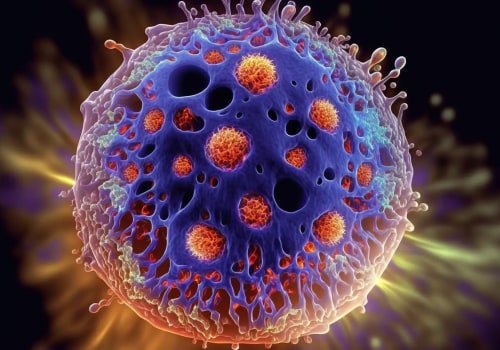
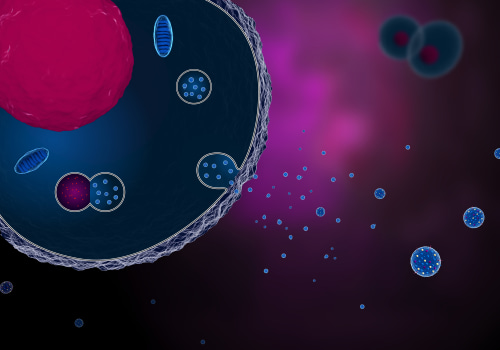
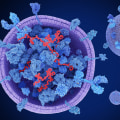
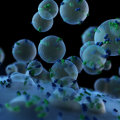
Exosomes are small extracellular vesicles, typically ranging from 30 to 150 nanometers in diameter, that are secreted by various cell types into the extracellular environment. They play a pivotal role in intercellular communication, acting as carriers of molecular signals between cells.These vesicles are formed within the endosomal system of cells and are released into the extracellular space when multivesicular bodies fuse with the plasma membrane.
What Are Exosomes?
Exosomes are composed of a lipid bilayer that encapsulates a variety of biomolecules, including proteins, lipids, and nucleic acids such as mRNA and microRNA. This unique composition allows exosomes to facilitate the transfer of genetic information and proteins between cells, influencing the behaviour and function of recipient cells. Their ability to carry specific cargo makes them essential players in numerous biological processes.
Exosome Function
The primary function of exosomes is to mediate cell-to-cell communication. They can influence various physiological processes, including:
- Immune Response: Exosomes can modulate immune responses by presenting antigens to immune cells or by carrying immunosuppressive factors.
- Cellular Repair: They can deliver growth factors and other molecules that promote tissue repair and regeneration.
- Pathological Processes: In diseases such as cancer, exosomes can carry oncogenic signals that promote tumour growth and metastasis.
The Role of Exosomes in Therapy
Given their natural role in cell communication, exosomes have emerged as promising candidates for therapeutic applications.
They can be engineered to carry specific therapeutic agents, making them ideal vehicles for targeted drug delivery. For instance, exosome-based therapies are being explored for their potential in:
- Gene Therapy: By loading exosomes with therapeutic RNA molecules, researchers aim to correct genetic defects at the cellular level.
- Cancer Treatment: Exosomes can be used to deliver chemotherapeutic agents directly to tumour cells, minimising damage to surrounding healthy tissues.
- Tissue Regeneration: Exosome therapy is being investigated for its ability to enhance healing processes in conditions such as heart disease and neurodegenerative disorders.
The Current Landscape of Exosome Therapy
Exosome therapy is rapidly emerging as a transformative approach in various medical fields, leveraging the natural properties of exosomes to facilitate healing and regeneration. These nano-sized vesicles, secreted by cells, play a crucial role in intercellular communication and have shown promise in treating a range of conditions.One of the most notable applications of exosome therapy is in the realm of regenerative medicine. Exosomes derived from stem cells have been particularly effective in promoting tissue repair and regeneration.For instance, studies have demonstrated that exosomes can enhance the healing process in conditions such as:
- Cardiovascular diseases: Exosomes can aid in repairing damaged heart tissue following myocardial infarction.
- Orthopaedic injuries: They are being explored for their potential to accelerate recovery from fractures and cartilage damage.
- Neurological disorders: Research indicates that exosomes may help in neuroprotection and recovery from conditions like stroke or traumatic brain injury.
- Minimally invasive procedures: Exosome therapy often requires less invasive methods compared to traditional surgical interventions, reducing recovery time and associated risks.
- Enhanced efficacy: The natural composition of exosomes allows for targeted delivery of therapeutic agents, potentially increasing the effectiveness of treatments.
- Reduced side effects: As exosomes are derived from the body’s own cells, they are less likely to provoke adverse immune responses compared to synthetic alternatives.
Challenges Facing Exosome Therapy
Exosome therapy, while promising, is not without its challenges and risks.Understanding these obstacles is crucial for both practitioners and patients considering this innovative treatment option.
Safety Concerns
One of the primary concerns surrounding exosome therapy is the potential for adverse immune reactions. The introduction of exosomes into the body can trigger an immune response, leading to complications such as severe allergic reactions, inflammation, or even anaphylaxis in sensitive individuals. These reactions can manifest as swelling, redness, or pain at the injection site, and in some cases, may require immediate medical attention.Moreover, the risk of infection cannot be overlooked. As with any procedure involving injections, there is a possibility of introducing pathogens into the body, which can lead to localised infections or systemic complications.One of the primary concerns surrounding exosome therapy is the potential for adverse immune reactions. The introduction of exosomes into the body can trigger an immune response, leading to complications such as severe allergic reactions, inflammation, or even anaphylaxis in sensitive individuals. These reactions can manifest as swelling, redness, or pain at the injection site, and in some cases, may require immediate medical attention.Moreover, the risk of infection cannot be overlooked. As with any procedure involving injections, there is a possibility of introducing pathogens into the body, which can lead to localised infections or systemic complications.
Therefore, ensuring that exosome therapy is administered in a sterile environment by trained professionals is paramount.
Production Difficulties
The production of exosomes presents its own set of challenges. Isolating exosomes with high purity and yield remains a significant hurdle. Current methods such as ultracentrifugation and size exclusion chromatography often result in contamination with other cellular components, which can compromise the therapeutic efficacy of the exosomes. Additionally, these methods can be time-consuming and may not be scalable for widespread clinical use.Furthermore, the quality of exosomes can vary significantly depending on their source—whether derived from human cells, animal cells, or plants.
This variability can affect their functionality and safety profile. Researchers are actively exploring advanced techniques such as microfluidics and tangential flow filtration to enhance the isolation process and improve consistency.
Potential Side Effects
Another critical aspect to consider is the potential side effects associated with exosome therapy. Given that exosomes carry a complex cargo of proteins, lipids, and nucleic acids, their effects on the body can be unpredictable. For instance, while some exosomes may promote healing and regeneration, others could inadvertently stimulate unwanted cellular responses or exacerbate existing conditions.Additionally, long-term effects of exosome therapy are still largely unknown due to the relative novelty of this treatment modality.
Ongoing research is essential to fully understand how exosomes interact with various biological systems over extended periods.In conclusion, while exosome therapy holds great promise for treating a range of conditions, it is vital to approach this treatment with caution. Addressing safety concerns, improving production methods, and understanding potential side effects will be crucial steps in advancing this field and ensuring patient safety.
Innovations in Exosome Isolation and Production
The isolation and production of exosomes have seen significant advancements in recent years, driven by the need for more efficient and reliable methods. As the therapeutic potential of exosomes becomes increasingly recognised, the focus on optimising their extraction and production is paramount.Traditional methods of isolating exosomes, such as ultracentrifugation, while effective, can be time-consuming and may lead to contamination or loss of exosomal integrity. Recent innovations aim to address these challenges:- Microfluidic Devices: These devices allow for the rapid isolation of exosomes from biological fluids using small volumes.
By manipulating fluid dynamics at a microscale, researchers can achieve high purity and yield of exosomes with minimal handling.
- Size-Exclusion Chromatography (SEC): This technique has been refined to enhance the separation of exosomes from other cellular debris. By using columns designed specifically for exosome size, researchers can obtain a more concentrated product with fewer contaminants.
- Magnetic Bead-Based Isolation: This method employs magnetic beads coated with antibodies that specifically bind to exosomal surface markers. This targeted approach not only increases yield but also enhances the purity of isolated exosomes.
Unlike traditional two-dimensional cultures, 3D cultures better mimic the natural cellular environment, leading to increased exosome production and improved functionality.Moreover, genetic engineering of donor cells to enhance exosome production is gaining traction. By modifying the cellular machinery responsible for exosome biogenesis, researchers can significantly boost the quantity and quality of exosomes produced.As these innovations continue to evolve, they hold the potential to revolutionise exosome therapy. Improved isolation and production methods will not only enhance the therapeutic efficacy of exosomes but also pave the way for their application in various medical fields, including regenerative medicine and targeted drug delivery.
The Role of Research and Development in Exosome Therapy
The landscape of exosome therapy is rapidly evolving, driven by a robust framework of research and development aimed at enhancing both the efficacy and safety of these innovative treatments. As scientists delve deeper into the mechanisms of exosomes, their potential applications in various medical fields are becoming increasingly apparent.Ongoing research is focused on several key areas:- Isolation Techniques: One of the primary challenges in exosome therapy is the efficient isolation of exosomes from biological fluids.
Researchers are exploring advanced methods such as microfluidics and nanotechnology to improve yield and purity, which are crucial for ensuring the therapeutic potential of exosomes.
- Characterisation: Understanding the molecular composition of exosomes is vital. Studies are being conducted to identify specific biomarkers that can predict the therapeutic efficacy of exosomes, allowing for more tailored treatments.
- Mechanisms of Action: Investigating how exosomes interact with target cells is essential for optimising their use. Research is focusing on the signalling pathways activated by exosomes, which could lead to breakthroughs in treating conditions like cancer, neurodegenerative diseases, and cardiovascular disorders.
For instance, trials investigating the use of exosomes derived from stem cells for tissue regeneration are showing promising results, indicating potential applications in orthopaedics and wound healing.Moreover, future research directions are likely to include:
- Personalised Medicine: As our understanding of individual responses to therapies improves, there is a growing interest in developing personalised exosome therapies that cater to the unique biological profiles of patients.
- Combination Therapies: Researchers are exploring the synergistic effects of combining exosome therapy with traditional treatments, such as chemotherapy or immunotherapy, to enhance overall treatment outcomes.
- Regulatory Frameworks: As exosome therapies advance towards clinical application, establishing comprehensive regulatory guidelines will be crucial to ensure patient safety and treatment efficacy.
Patient Perspectives: Experiences with Exosome Therapy
As the field of exosome therapy continues to evolve, patient experiences play a crucial role in understanding its real-world implications. Many individuals seeking treatment are eager to share their journeys, highlighting both the benefits and challenges they have encountered.One common theme among patient testimonials is the hope that exosome therapy brings. Many patients report significant improvements in their conditions, particularly those suffering from chronic pain, autoimmune disorders, and degenerative diseases.For instance, a patient with osteoarthritis shared, "After just a few sessions of exosome therapy, I noticed a remarkable reduction in my joint pain and an increase in mobility. It felt like I was given a second chance at life." Such stories underscore the potential of exosomes to facilitate healing and enhance quality of life.However, alongside positive outcomes, there are also concerns regarding safety and efficacy. Some patients have expressed apprehension about the lack of long-term data on exosome therapy. A patient who underwent treatment for a neurological condition remarked, "While I experienced some benefits, I couldn't help but worry about the unknowns.
What if there are side effects that we don't yet understand?" This sentiment reflects a broader concern within the patient community about the need for more comprehensive research and transparency in treatment protocols.Safety is paramount when considering any medical treatment, and exosome therapy is no exception. Patients often inquire about the qualifications of practitioners administering these therapies. One individual noted, "I made sure to choose a clinic with experienced professionals who could tailor the treatment to my specific needs. It gave me peace of mind knowing that I was in capable hands." This highlights the importance of selecting qualified specialists who can provide personalised care and address any potential risks associated with exosome therapy.Moreover, patients frequently discuss their experiences with post-treatment monitoring.
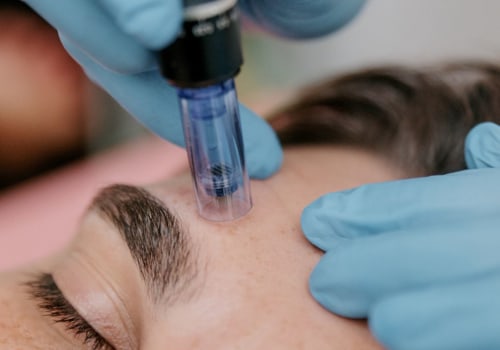
Regular follow-ups can help track progress and identify any adverse reactions early on. A patient who received exosome injections for skin rejuvenation stated, "The clinic scheduled follow-up appointments to assess my recovery and ensure everything was going smoothly. It made me feel valued as a patient and reassured me about my treatment journey."In conclusion, while many patients report positive experiences with exosome therapy, it is essential to approach this treatment with caution. The combination of hopeful testimonials and valid concerns underscores the need for ongoing research and patient education to ensure that exosome therapy can be safely integrated into mainstream medical practice.
Future Directions for Exosome Therapy
The landscape of exosome therapy is rapidly evolving, with ongoing research paving the way for innovative applications and enhancements.As scientists delve deeper into the mechanisms of exosomes, several promising directions are emerging that could significantly impact their therapeutic potential.One of the most exciting prospects is the development of targeted drug delivery systems. Exosomes possess natural properties that allow them to traverse biological barriers, making them ideal candidates for delivering therapeutic agents directly to specific cells or tissues. Future research may focus on engineering exosomes to carry drugs, RNA molecules, or proteins that can be released in a controlled manner, thereby enhancing treatment efficacy while minimising side effects.Moreover, advancements in biomanufacturing techniques are expected to streamline the production of exosomes. Current methods often face challenges related to scalability and purity.
Innovations such as automated bioreactors and improved isolation techniques could lead to more consistent and higher yields of exosomes, making them more accessible for clinical applications.Another area ripe for exploration is the role of exosomes in regenerative medicine. Research has shown that exosomes derived from stem cells can promote tissue repair and regeneration. Future studies may investigate their use in treating conditions such as heart disease, neurodegenerative disorders, and chronic wounds, potentially revolutionising how these ailments are managed.Furthermore, the integration of artificial intelligence (AI)artificial intelligence (AI) in exosome research holds great promise. AI can assist in analysing complex datasets generated from exosome studies, identifying patterns and correlations that may not be immediately apparent.
This could accelerate the discovery of new therapeutic applications and enhance our understanding of how exosomes interact with various biological systems.Finally, as regulatory frameworks evolve, there will be a greater emphasis on ensuring the safety and efficacy of exosome therapies. Ongoing clinical trials will be crucial in establishing robust data on long-term outcomes and potential risks associated with these treatments. The future of exosome therapy hinges not only on scientific advancements but also on a commitment to rigorous testing and validation.In conclusion, the future of exosome therapy is bright, with numerous avenues for exploration that could lead to groundbreaking treatments. As researchers continue to unlock the secrets of these tiny vesicles, we can anticipate a new era in medicine where exosomes play a pivotal role in personalised healthcare solutions.
Conclusion: Weighing the Promises Against the Challenges
As we reflect on the evolving landscape of exosome therapy, it becomes increasingly clear that this innovative treatment modality presents both remarkable opportunities and significant challenges.The potential of exosomes to revolutionise the treatment of various medical conditions is undeniable, yet it is essential to approach this promising field with a balanced perspective.Throughout this discussion, we have highlighted several key advantages of exosome therapy. These include:
- Regenerative capabilities: Exosomes play a crucial role in cell communication and regeneration, offering hope for conditions that currently have limited treatment options.
- Minimally invasive administration: The ability to deliver therapeutic agents through non-invasive methods can significantly enhance patient comfort and reduce recovery times.
- Potential for personalised medicine: Tailoring exosome treatments to individual patient needs could lead to more effective outcomes and fewer side effects.
- Safety concerns: The risk of immune reactions and other adverse effects necessitates rigorous clinical evaluation and monitoring.
- Isolation difficulties: The complexities involved in isolating high-quality exosomes can hinder large-scale production and limit accessibility.
- Regulatory hurdles: As a relatively new treatment, exosome therapy faces stringent regulatory scrutiny, which can slow down its integration into mainstream medicine.