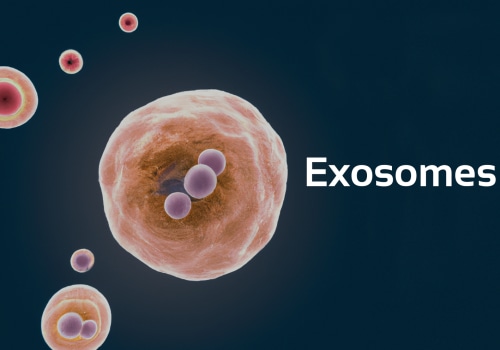
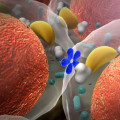
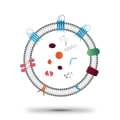
Exosomes are small extracellular vesicles, typically ranging from 30 to 150 nanometers in diameter, that play a crucial role in intercellular communication. They are secreted by various cell types and are found in numerous biological fluids, including blood, urine, and saliva. These vesicles are formed within the endosomal system of cells and are released into the extracellular space when multivesicular bodies fuse with the plasma membrane. The significance of exosomes lies in their ability to carry a diverse array of biomolecules, such as proteins, lipids, and nucleic acids, which can influence the behaviour of recipient cells.
The primary function of exosomes is to facilitate communication between cells, acting as vehicles for transferring molecular signals. This process is vital for numerous physiological functions, including immune responses, tissue repair, and the regulation of cellular homeostasis. By delivering their cargo to target cells, exosomes can modulate various biological processes, such as gene expression and cellular metabolism. Furthermore, they have been implicated in the pathogenesis of several diseases, including cancer and neurodegenerative disorders, highlighting their potential as biomarkers for disease diagnosis and prognosis.
As research into exosomes continues to evolve, their potential applications in therapeutic contexts are becoming increasingly apparent. For instance, exosomes can be engineered to deliver drugs or genetic material directly to specific cells or tissues, offering a promising avenue for targeted therapies. However, despite their remarkable capabilities and natural origin, there are inherent limitations associated with exosome research and application that warrant careful consideration. Understanding these limitations is essential for harnessing the full potential of exosomes in clinical settings.
The Biological Characteristics of Exosomes
Exosomes are nanoscale extracellular vesicles that play a pivotal role in intercellular communication.Their unique biological characteristics significantly influence their functionality and the limitations associated with their use in therapeutic applications.
Size and Structure
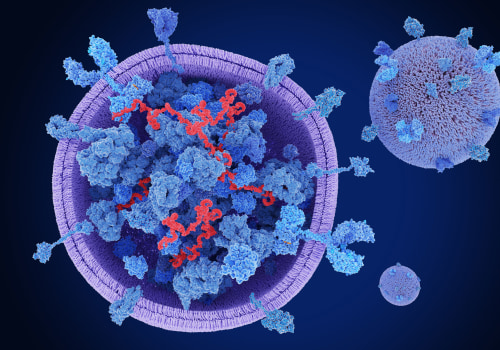
Typically ranging from 30 to 150 nanometers in diameter, exosomes are considerably smaller than many other cellular components. This small size allows them to traverse biological barriers, such as the blood-brain barrier, but also presents challenges in terms of isolation and characterization. The lipid bilayer membrane of exosomes is composed of phospholipids, similar to cellular membranes, which encapsulates a variety of biomolecules including proteins, lipids, and nucleic acids. This composition is crucial as it determines the exosome's stability and interaction with target cells.Typically ranging from 30 to 150 nanometers in diameter, exosomes are considerably smaller than many other cellular components. This small size allows them to traverse biological barriers, such as the blood-brain barrier, but also presents challenges in terms of isolation and characterization. The lipid bilayer membrane of exosomes is composed of phospholipids, similar to cellular membranes, which encapsulates a variety of biomolecules including proteins, lipids, and nucleic acids. This composition is crucial as it determines the exosome's stability and interaction with target cells.
Origin and Biogenesis
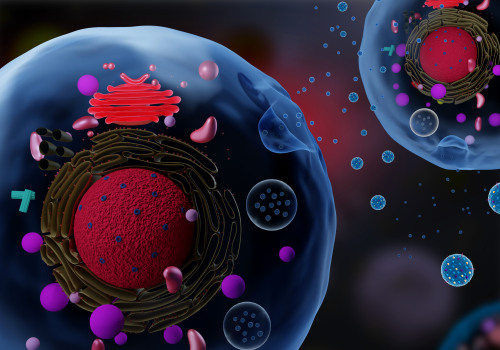
Exosomes originate from the endosomal system of cells.
They are formed through a process known as intraluminal vesicle (ILV) budding, where multivesicular bodies (MVBs) fuse with the plasma membrane to release these vesicles into the extracellular space. This natural origin contributes to their biocompatibility; however, it also leads to heterogeneity in their composition, which can complicate their use in clinical settings.
Composition
The molecular cargo of exosomes varies depending on the cell type from which they are derived and the physiological conditions at the time of their release. They carry a diverse array of proteins, including receptors, enzymes, and adhesion molecules, as well as various types of RNA such as mRNA and microRNA. This complex composition is essential for their role in mediating biological processes such as immune response modulation, tissue repair, and even cancer progression.
Biological Properties
- Stability: Exosomes exhibit remarkable stability in biological fluids, which is advantageous for their potential use as drug delivery vehicles.
- Immunogenicity: Due to their natural origin, exosomes generally have lower immunogenicity compared to synthetic carriers, reducing the risk of adverse immune responses.
- Targeting Ability:Targeting Ability: While exosomes can target specific cells through receptor-mediated endocytosis, their inherent targeting capabilities can be limited by their heterogeneous nature.
As research progresses, efforts to enhance their targeting efficiency and loading capacity will be crucial for unlocking their full potential in medicine.
Current Limitations in Exosome Research
Research into exosomes has gained momentum in recent years, yet several significant limitations hinder progress in this field. One of the primary challenges is the inefficient separation methods currently employed to isolate exosomes from biological fluids. Traditional techniques, such as ultracentrifugation, while widely used, can be time-consuming and may not yield pure exosome populations. This lack of purity can lead to contamination with proteins and other extracellular vesicles, complicating downstream analyses and interpretations.Moreover, the absence of unique biomarkers for exosomes presents another hurdle.Unlike other cellular components, exosomes exhibit a heterogeneous composition that varies based on their cell of origin and physiological state. This variability makes it difficult to identify specific markers that can reliably distinguish exosomes from other vesicles or cellular debris. As a result, researchers often struggle to ascertain the functional roles of exosomes in various biological processes.In addition to these issues, the field faces challenges related to high-resolution visualization techniques. Current imaging methods, such as electron microscopy, provide valuable insights but are limited by their inability to capture dynamic processes involving exosomes in real-time.
Furthermore, these techniques often require extensive sample preparation that can alter the native state of exosomes, leading to potential misinterpretations of their structure and function.The complexity of studying exosomes is further compounded by their biological variability. Factors such as the source tissue, disease state, and even the method of isolation can influence the characteristics of exosomes. This variability necessitates standardisation across studies to ensure reproducibility and comparability of results.In summary, while the potential applications of exosomes in diagnostics and therapeutics are promising, addressing these limitations is crucial for advancing our understanding and utilisation of these fascinating biological entities. Continued innovation in separation techniques, biomarker discovery, and imaging technologies will be essential for overcoming these challenges and unlocking the full potential of exosome research.
Challenges in Exosome Isolation and Purification
Isolating and purifying exosomes from biological fluids presents a myriad of technical challenges that can significantly impact the quality and yield of these vesicles.The complexity of biological samples, such as blood, urine, or cell culture media, necessitates the use of various isolation techniques, each with its own set of limitations.One of the most commonly employed methods for exosome isolation is ultracentrifugation. This technique relies on high-speed centrifugation to separate exosomes based on their size and density. While it is widely used due to its cost-effectiveness and relative simplicity, ultracentrifugation has notable drawbacks. For instance, it can lead to the co-isolation of contaminants such as proteins and lipoproteins, which may interfere with downstream applications.
Additionally, this method can be time-consuming and may not yield sufficient quantities of exosomes for certain analyses.Another popular approach is precipitation-based methods, which utilise polymeric agents to aggregate exosomes out of solution. Although these methods are generally quicker and easier to perform than ultracentrifugation, they often suffer from low purity levels. The presence of non-exosomal proteins can complicate the interpretation of results in subsequent experiments.Size exclusion chromatography (SEC) offers a more refined alternative by separating exosomes based on their size as they pass through a column filled with porous beads. This method can provide higher purity levels compared to ultracentrifugation and precipitation techniques; however, it may not be suitable for all types of biological fluids and can be limited by the volume of sample that can be processed.Moreover, immunoaffinity capture techniques have emerged as a promising strategy for isolating exosomes with specific surface markers.
While this method allows for targeted isolation, it requires prior knowledge of the markers present on the exosome surface, which may not always be available. Furthermore, the cost associated with antibodies and the potential for non-specific binding can hinder its widespread application.In summary, while various methodologies exist for the isolation and purification of exosomes, each comes with inherent challenges that can affect the yield and purity of the final product. Ongoing research is essential to develop more efficient and reliable techniques that can overcome these limitations, ultimately enhancing our understanding of exosome biology and their potential therapeutic applications.
Biological Limitations of Natural Exosomes
Natural exosomes, while promising as drug delivery vehicles and biomarkers, face several biological limitations that hinder their effectiveness in therapeutic applications. One of the primary challenges is their weak targeting capabilities.Although exosomes can naturally home in on specific tissues due to their origin from cellular membranes, this targeting is often not precise enough for effective treatment. The heterogeneity of exosomes means that they can carry a variety of surface proteins, which may not always correspond to the intended target cells. This lack of specificity can lead to unintended interactions with non-target cells, reducing the overall therapeutic efficacy.Moreover, the rapid clearance of exosomes from the bloodstream poses another significant hurdle. Once administered, exosomes are subject to immediate recognition and elimination by the immune system.
This rapid clearance can drastically shorten their half-life in circulation, limiting the time available for them to exert their therapeutic effects. Factors such as size, surface charge, and composition influence how quickly exosomes are removed from circulation. For instance, smaller exosomes may evade detection for a longer period compared to larger ones, but they may also have reduced capacity for drug loading.Additionally, the biological environment plays a crucial role in the stability and functionality of exosomes. In vivo conditions can lead to degradation or aggregation of exosomes, further complicating their use as reliable delivery systems.
The presence of enzymes and other biological molecules can compromise the integrity of the encapsulated drugs, leading to premature release or loss of therapeutic activity.To address these limitations, researchers are exploring various strategies such as surface modification and genetic engineering of exosomes. By altering the surface properties or loading them with specific targeting ligands, it may be possible to enhance their affinity for target cells and improve their circulation time. However, these modifications must be carefully balanced to maintain the natural advantages of exosomes while overcoming their inherent biological challenges.In conclusion, while natural exosomes hold great potential in medicine, their biological limitations , including weak targeting and rapid clearance from the body, present significant challenges that need to be addressed through innovative engineering approaches and a deeper understanding of their interactions within biological systems.
Technological Barriers in Exosome Application
The application of exosomes in clinical settings, particularly for drug delivery and therapeutic interventions, faces several significant technological barriers. These challenges not only hinder the effective use of exosomes but also limit their potential as a revolutionary tool in medicine.One of the primary obstacles is the inefficient isolation and purification methods currently employed.Exosomes are typically isolated from biological fluids using techniques such as ultracentrifugation, which can be time-consuming and may not yield high purity levels. This lack of efficient separation can lead to contamination with other extracellular vesicles or proteins, complicating the characterization and application of exosomes in therapeutic contexts.Moreover, the heterogeneity of exosomes poses another challenge. Exosomes derived from different cell types or even from the same cell type under varying conditions can exhibit diverse compositions and functionalities. This variability complicates the standardisation required for clinical applications, making it difficult to predict their behaviour in vivo.Another critical barrier is the limited targeting capability of natural exosomes.
While they possess inherent properties that allow them to navigate biological barriers, their ability to specifically target diseased tissues remains suboptimal. This limitation often results in rapid clearance from circulation and reduced therapeutic efficacy. To enhance targeting, researchers are exploring various surface modification techniques; however, these modifications can sometimes alter the natural properties of exosomes, leading to unforeseen consequences.
Stability
is also a significant concern. Exosomes are sensitive to environmental conditions such as temperature and pH, which can affect their integrity and functionality.
Developing robust formulations that maintain exosome stability during storage and transport is crucial for their successful application in clinical settings.Finally, the regulatory landscape surrounding exosome-based therapies is still evolving. The lack of clear guidelines for the manufacturing and quality control of exosome products presents a barrier to their widespread adoption in clinical practice. As research progresses, establishing comprehensive regulatory frameworks will be essential to ensure safety and efficacy.In summary, while exosomes hold great promise for drug delivery and therapeutic applications, overcoming these technological barriers is essential for realising their full potential in medicine.
Strategies to Overcome Exosome Limitations
To address the inherent limitations of exosomes, researchers are exploring various engineering and modification strategies aimed at enhancing their functionality and targeting capabilities. These approaches not only aim to improve the therapeutic efficacy of exosomes but also to ensure their stability and bioavailability in clinical applications.1.Genetic Engineering of Exosomes
- One promising strategy involves the genetic modification of exosome-producing cells.
By introducing specific genes that encode for therapeutic proteins or targeting ligands, scientists can create exosomes that are tailored to deliver specific drugs or to target particular tissues more effectively.
- This method allows for the production of exosomes that carry a higher payload of therapeutic agents, thereby enhancing their overall effectiveness in treatment.
2.Surface Modification Techniques
- Another approach is the surface modification of exosomes. This can be achieved through various chemical techniques, such as the conjugation of targeting moieties like antibodies or peptides that can bind to specific receptors on target cells.
- Such modifications can significantly improve the targeting efficiency of exosomes, allowing them to home in on diseased tissues while minimising off-target effects.
3.Loading Strategies
- Enhancing the loading efficiency of therapeutic agents into exosomes is crucial for their clinical application. Techniques such as electroporation, sonication, or chemical permeabilisation can be employed to increase the amount of drug encapsulated within exosomes.
- These methods not only improve loading capacity but also help maintain the integrity and biological activity of the loaded agents.
4.Hybrid Systems
- Combining exosomes with other nanocarriers, such as liposomes or polymeric nanoparticles, can create hybrid systems that leverage the advantages of both platforms. This approach can enhance stability and control over drug release profiles.
- Hybrid systems may also provide additional functionalities, such as improved circulation time and reduced immunogenicity.
5.Overcoming Biological Barriers
- To enhance the ability of exosomes to cross biological barriers, such as the blood-brain barrier (BBB), researchers are investigating various strategies including the incorporation of BBB-targeting ligands or modifying exosome surface properties to facilitate transcytosis.
- This could open new avenues for treating central nervous system disorders where traditional drug delivery methods fall short.
By enhancing their targeting capabilities and payload capacity, engineered exosomes could revolutionise drug delivery systems in various medical fields.
Future Directions in Exosome Research
The future of exosome research is poised for significant advancements, driven by the need to overcome current limitations and unlock their full therapeutic potential. As scientists delve deeper into the complexities of exosome biology, several promising directions are emerging that could revolutionise their application in medicine.One of the most exciting prospects lies in the development of engineered exosomes. These modified vesicles can be tailored to enhance their targeting capabilities, loading efficiency, and stability. By employing techniques such as genetic engineering, researchers can create exosomes that are not only more effective at delivering therapeutic agents but also capable of evading the immune system.This could lead to improved outcomes in treatments for various diseases, including cancer and neurodegenerative disorders.Moreover, advancements in separation and purification technologies are critical for enhancing the yield and purity of exosomes. Techniques such as microfluidics and advanced chromatography are being explored to isolate exosomes with greater precision. This will not only facilitate a better understanding of their biological roles but also improve their clinical applicability.Another area of focus is the integration of exosomes with nanotechnology. Combining exosomes with nanoparticles could enhance their drug delivery capabilities, allowing for controlled release and targeted therapy.
This synergy may prove particularly beneficial in treating complex diseases where traditional methods fall short.Furthermore, the application of artificial intelligence (AI) and machine learning in exosome research holds great promise. These technologies can analyse vast datasets to identify novel biomarkers associated with exosome function and disease states. By harnessing AI, researchers can accelerate the discovery of new therapeutic targets and improve patient stratification in clinical trials.In conclusion, the future directions in exosome research are rich with potential. As we continue to explore engineered exosomes, refine isolation techniques, integrate nanotechnology, and leverage AI, we may soon witness a paradigm shift in how we approach disease treatment and prevention through these remarkable cellular messengers.
Conclusion: The Path Forward for Exosome Research
In summary, the exploration of exosomes has unveiled their potential as pivotal players in intercellular communication and as promising vehicles for drug delivery.However, the journey towards fully harnessing their capabilities is fraught with challenges that must be addressed to unlock their therapeutic potential.One of the primary limitations identified is the inefficient separation methods currently employed in exosome research. The ability to isolate pure exosome populations is crucial for understanding their biological functions and therapeutic applications. Advances in separation technologies, such as microfluidics and affinity-based methods, are essential to enhance the purity and yield of exosomes.Moreover, the lack of unique biomarkers for exosomes complicates their identification and characterisation. Developing specific markers will not only facilitate better isolation techniques but also improve our understanding of their roles in various physiological and pathological processes.The heterogeneity of exosomes presents another significant hurdle.
Variability in size, composition, and origin can lead to inconsistent therapeutic outcomes. Standardising exosome production and characterisation protocols will be vital in ensuring reproducibility in research and clinical applications.Furthermore, while natural exosomes exhibit excellent biocompatibility, they often suffer from weak targeting capabilities and rapid clearance from circulation. Strategies such as genetic engineering or surface modification could enhance their targeting efficiency and prolong their half-life in the bloodstream, thereby improving their therapeutic efficacy.As we look to the future, it is imperative that researchers focus on addressing these limitations through innovative approaches. By enhancing our understanding of exosome biology and refining isolation techniques, we can pave the way for more effective therapeutic applications.
The potential of exosomes as drug delivery systems is vast, but realising this potential will require concerted efforts to overcome existing challenges.In conclusion, while the path forward for exosome research is complex, it holds great promise for revolutionising treatment strategies across a range of diseases. Continued investment in this field will undoubtedly yield significant advancements that could transform patient care.