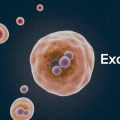
Exosomes are fascinating and intricate structures that have garnered significant attention in recent years, particularly within the realms of medicine and biotechnology. These tiny extracellular vesiclestiny extracellular vesicles, typically ranging from 30 to 150 nanometers in diameter, are secreted by various cell types and play a pivotal role in intercellular communication. To understand their importance, it is essential to delve into what exosomes are, their defining characteristics, and the fundamental functions they serve within the body.At their core, exosomes are membrane-bound vesicles that originate from the endosomal system of cells. They are formed when multivesicular bodies fuse with the plasma membrane, releasing their contents into the extracellular space.
This process not only facilitates the transfer of molecular information but also allows for the exchange of proteins, lipids, and nucleic acids between cells. As such, exosomes act as vital messengers, carrying signals that can influence the behaviour and function of recipient cells.The significance of exosomes extends beyond mere cellular communication; they are involved in a variety of physiological processes. For instance, exosomes play a crucial role in immune responses, tissue repair, and even the progression of diseases such as cancer. By encapsulating and transporting bioactive molecules, they can modulate inflammation, promote healing, and even facilitate cellular regeneration.
This remarkable ability to influence cellular dynamics makes exosomes a promising area of research for therapeutic applications.In summary, understanding exosomes is fundamental to appreciating their transformative potential in health and disease. As we explore their various functions and applications throughout this article, it becomes clear that these minuscule particles hold immense power in shaping our biological landscape.
The Science Behind Exosomes
Exosomes are fascinating entities that play a pivotal role in the intricate web of cellular communication. These nanoscale vesicles, typically ranging from 30 to 150 nanometres in diameter, are secreted by various cell types and serve as carriers of biological information. Understanding the biology of exosomes is essential for appreciating their potential applications in medicine and aesthetics.At their core, exosomes are formed through a process known as endocytosis.This begins when a cell engulfs extracellular material, leading to the formation of an endosome. As the endosome matures, it can bud off smaller vesicles, which eventually become exosomes. These vesicles are then released into the extracellular space, where they can interact with other cells.One of the most significant functions of exosomes is their role in cellular communication. They contain a diverse array of molecular cargo, including proteins, lipids, RNA, and even DNA fragments.
This cargo can influence recipient cells in various ways:
- Modulation of Immune Responses: Exosomes can carry immune-modulating factors that help regulate inflammation and immune responses. For instance, they can promote tolerance or activate immune cells depending on the context.
- Tissue Repair and Regeneration: Exosomes derived from stem cells have been shown to enhance tissue repair by delivering growth factors and other regenerative signals to damaged tissues.
- Cellular Reprogramming: The RNA contained within exosomes can alter gene expression in recipient cells, effectively reprogramming them to adopt new functions or behaviours.
Their capacity to transport molecular signals between cells underpins many biological processes and highlights their potential as therapeutic agents. As research continues to unfold, the understanding of how exosomes work will undoubtedly lead to innovative treatments that harness their power for health and beauty.
The Role of Exosomes in Health and Healing
Exosomes are increasingly recognised for their pivotal role in health and healing, particularly within the realm of regenerative medicine. These nano-sized vesicles, secreted by various cell types, are rich in bioactive molecules such as proteins, lipids, and nucleic acids. Their ability to facilitate intercellular communication makes them essential players in numerous physiological processes.One of the most significant health benefits of exosomes lies in their capacity to promote tissue repair and regeneration.When cells are damaged due to injury or disease, exosomes can be released to aid in the healing process. They achieve this by:
- Modulating Inflammation: Exosomes can help regulate inflammatory responses, which is crucial for effective healing. By delivering anti-inflammatory signals to surrounding cells, they can reduce excessive inflammation that often hampers recovery.
- Stimulating Cell Proliferation: The growth factors contained within exosomes can encourage the proliferation of stem cells and other progenitor cells at the injury site, thereby accelerating tissue regeneration.
- Enhancing Angiogenesis: Exosomes play a role in promoting the formation of new blood vessels (angiogenesis), which is vital for supplying nutrients and oxygen to healing tissues.
- Orthopaedics: Exosome injections have been used to treat joint injuries and degenerative diseases like osteoarthritis, significantly improving pain and function.
- Cardiovascular Health: Research indicates that exosomes derived from stem cells can enhance cardiac repair following myocardial infarction by promoting cell survival and reducing scar formation.
- Neurological Disorders: Exosomes are being explored for their potential to deliver therapeutic agents across the blood-brain barrier, offering new avenues for treating conditions such as Alzheimer’s disease and multiple sclerosis.
As research continues to unfold, we may witness an expansion of their applications, leading to innovative treatments that harness the body’s natural healing mechanisms.
Exosomes in Aesthetic Treatments
In recent years, the integration of exosomes into aesthetic treatments has garnered significant attention, particularly in the realms of skincare and hair restoration. These tiny vesicles, which facilitate cellular communication, are proving to be a game-changer in enhancing beauty and wellness. into aesthetic treatments has garnered significant attention, particularly in the realms of skincare and hair restoration. These tiny vesicles, which facilitate cellular communication, are proving to be a game-changer in enhancing beauty and wellness.Exosomes in Skincare
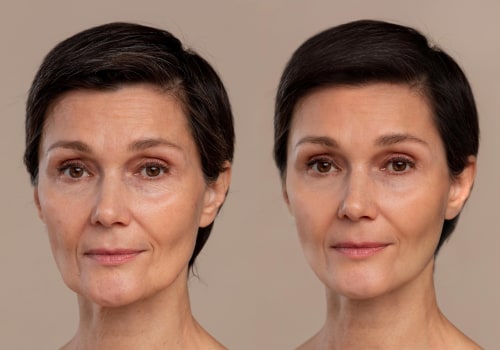
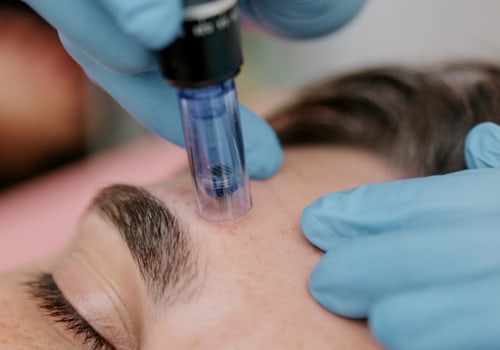
Exosomes are increasingly being utilised in skincare products due to their remarkable ability to promote skin rejuvenation. When applied topically, they can enhance the skin's natural healing processes. This is particularly beneficial for individuals seeking to address issues such as fine lines, wrinkles, and overall skin texture.One of the most effective methods of delivering exosomes into the skin is through microneedling.Exosomes are increasingly being utilised in skincare products due to their remarkable ability to promote skin rejuvenation. When applied topically, they can enhance the skin's natural healing processes. This is particularly beneficial for individuals seeking to address issues such as fine lines, wrinkles, and overall skin texture.One of the most effective methods of delivering exosomes into the skin is through microneedling.
This minimally invasive procedure creates micro-injuries in the skin, allowing for better absorption of exosomes. The exosomes then work at a cellular level to stimulate collagen production and improve skin elasticity, resulting in a more youthful appearance.
Benefits of Exosome Treatments
- Enhanced Healing: Exosomes contain growth factors and proteins that accelerate the healing process, making them ideal for post-procedure recovery.
- Reduced Inflammation: They help to modulate inflammatory responses, which can be particularly beneficial for those with sensitive or reactive skin.
- Improved Skin Texture: Regular use of exosome-infused products can lead to smoother, more radiant skin.
Hair Restoration with Exosomes
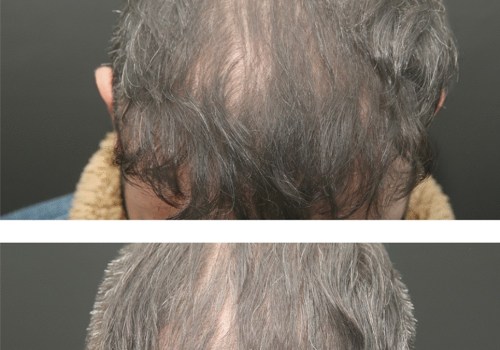
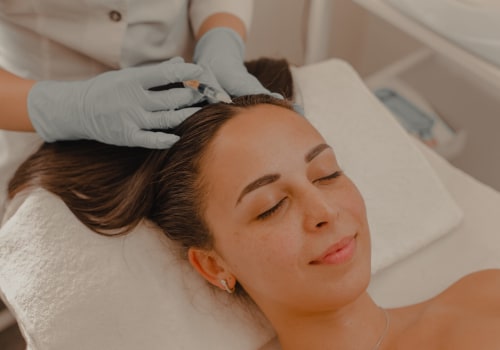
The application of exosomes is not limited to skincare; they are also making waves in hair restoration treatments. Research indicates that exosomes derived from mesenchymal stem cells can significantly stimulate hair follicle activity. When injected into the scalp, these exosomes promote hair growth by enhancing blood circulation and providing essential nutrients directly to the hair follicles.This innovative approach offers a promising alternative for individuals experiencing hair thinning or loss.
Unlike traditional hair restoration methods that may involve invasive procedures or harsh chemicals, exosome therapy is minimally invasive and boasts a lower risk of side effects.
Conclusion
The incorporation of exosomes into aesthetic treatments represents a significant advancement in beauty solutions. Their ability to rejuvenate skin and restore hair makes them an attractive option for those seeking natural and effective enhancements. As research continues to unfold, we can expect even more innovative applications of exosome therapy in the beauty industry.
Incorporating Exosomes into Your Daily Routine
Incorporating exosomes into your daily beauty routine can significantly enhance your skincare regimen, offering a range of benefits from improved hydration to skin rejuvenation. Here are some practical steps to effectively integrate exosome-based products into your routine.1.Choose Quality Exosome Products
Not all exosome products are created equal.When selecting a product, look for those that are:
- Clinically Tested: Ensure the product has undergone rigorous testing to validate its efficacy and safety.
- High Concentration: Opt for formulations that provide a higher concentration of exosomes, as this can enhance their effectiveness.
- Reputable Brands: Research brands known for their commitment to quality and transparency in sourcing and manufacturing.
2.Incorporate Exosomes into Your Skincare Regimen
To maximise the benefits of exosomes, consider the following steps:- Cleansing: Start with a gentle cleanser to remove impurities and prepare your skin for treatment.
- Exosome Serum: Apply an exosome serum after cleansing. This allows the active ingredients to penetrate deeply into the skin. Gently massage the serum into your face and neck for optimal absorption.
- Moisturiser: Follow up with a hydrating moisturiser to lock in the benefits of the serum. Look for products that complement the effects of exosomes, such as those containing hyaluronic acid or peptides.
- Sunscreen: Always finish with a broad-spectrum sunscreen during the day to protect your skin from UV damage, which can counteract the benefits of your skincare routine.
3.Consider Professional Treatments
If you're looking for more intensive results, consider professional treatments that utilise exosomes.These may include:
- Microneedling with Exosomes: This technique involves creating micro-injuries in the skin, followed by the application of exosome serums to enhance healing and rejuvenation.
- Injectable Exosome Therapies: For targeted areas, injectable treatments can deliver exosomes directly into the skin, promoting cellular repair and regeneration.
The Future of Exosome Therapy
The field of exosome therapy is rapidly evolving, with ongoing research paving the way for innovative applications and treatments. As scientists delve deeper into the mechanisms of exosomes, their potential to revolutionise medicine and aesthetics becomes increasingly apparent. This section explores the future of exosome research, the advancements being made, and the challenges that lie ahead.Advancements in Exosome Therapy
- Targeted Drug Delivery: One of the most promising areas of exosome research is their use in targeted drug delivery systems.
Exosomes can be engineered to carry therapeutic agents directly to specific cells, minimising side effects and enhancing treatment efficacy. This precision medicine approach could transform how diseases such as cancer are treated.
- Regenerative Medicine: Exosomes derived from stem cells are showing great promise in regenerative medicine. They have been found to promote tissue repair and regeneration by facilitating cellular communication and modulating immune responses. Future studies may expand their use in treating conditions like heart disease, neurodegenerative disorders, and chronic wounds.
- Personalised Treatments: As our understanding of exosomes grows, so does the potential for personalised therapies.
By analysing an individual’s exosomal profile, healthcare providers may tailor treatments to suit specific needs, enhancing outcomes and minimising adverse effects.
Challenges in Exosome Applications
Despite the exciting prospects, several challenges must be addressed to fully realise the potential of exosome therapy:
- Standardisation: The lack of standardisation in exosome isolation and characterisation techniques poses a significant hurdle. Variability in methods can lead to inconsistent results, making it difficult to compare findings across studies.
- Regulatory Hurdles: As with any emerging therapy, regulatory approval remains a critical challenge. The FDA and other regulatory bodies are still developing frameworks for evaluating exosome-based products, which can slow down the introduction of new therapies into clinical practice.
- Understanding Mechanisms: While much has been learned about exosomes, there is still a need for comprehensive research into their mechanisms of action. Understanding how they interact with various cell types will be crucial for optimising their therapeutic applications.
However, addressing the existing challenges will be essential for translating these discoveries into effective clinical applications.
Frequently Asked Questions about Exosomes
As the field of exosome research continues to grow, many individuals have questions and misconceptions about these remarkable particles. Below, we address some of the most frequently asked questions regarding exosomes to provide clarity and enhance understanding.What are exosomes made of?
Exosomes are composed of a lipid bilayer that encapsulates various biomolecules. These include:- Proteins: Various proteins that play roles in cell signalling and communication.
- Lipids: Fatty molecules that contribute to the structure and function of the exosome.
- Nucleic acids: This includes mRNA and microRNA, which can influence gene expression in recipient cells.
- Other molecules: Growth factors and cytokines that can modulate immune responses and tissue repair.
How do exosomes differ from other extracellular vesicles?
Exosomes are a specific type of extracellular vesicle (EV) that are typically smaller than 100 nanometers in diameter. They originate from the endosomal compartment of cells, whereas other types of EVs, such as microvesicles, are formed directly from the plasma membrane.This distinction is crucial for understanding their unique functions and applications in therapy.
Can exosomes be used for anti-ageing treatments?
Yes, exosomes have shown promise in anti-ageing treatments due to their ability to promote cellular regeneration and repair. When applied topically or injected, they can enhance skin rejuvenation by delivering growth factors and other beneficial molecules directly to skin cells, potentially improving texture, elasticity, and overall appearance.Are there any side effects associated with exosome therapy?
Exosome therapy is generally considered safe with minimal side effects. However, as with any treatment, individual responses may vary. Some patients may experience mild swelling or redness at the injection site.It is essential to consult with a qualified healthcare provider to discuss potential risks and benefits before undergoing treatment.
What are common misconceptions about exosomes?
- Misconception 1: All exosome products are the same. This is false; the source and quality of exosomes can significantly impact their effectiveness.
- Misconception 2: Exosome therapy is a miracle cure. While promising, it is not a one-size-fits-all solution and should be part of a comprehensive treatment plan.
- Misconception 3: Exosomes are only beneficial for skin treatments. Their applications extend beyond aesthetics into areas like regenerative medicine and cancer therapy.
Conclusion: Embracing the Power of Exosomes
In conclusion, the exploration of exosomes has unveiled a remarkable frontier in both medical and aesthetic treatments.These minuscule vesicles, which facilitate communication between cells, have demonstrated their potential to revolutionise how we approach healing, rejuvenation, and overall wellness.Throughout this article, we have delved into the intricate workings of exosomes, highlighting their role as vital messengers within our bodies. By transporting proteins, lipids, and genetic material, exosomes not only assist in cellular communication but also play a pivotal role in tissue repair and regeneration. This makes them invaluable in various therapeutic applications, from enhancing skin health to promoting joint recovery.The benefits of exosome therapy are becoming increasingly evident. As we discussed, their application in aesthetic treatments—such as skin rejuvenation and hair restoration—has shown promising results.
The ability to improve absorption when applied topically after microneedling exemplifies how exosomes can enhance traditional beauty routines. Furthermore, their use in joint injections for inflammation reduction underscores their versatility in addressing a range of health concerns.However, it is essential to approach exosome treatments with informed caution. While the potential is vast, ongoing research is crucial to fully understand the mechanisms at play and to ensure the safety and efficacy of these therapies. As the field continues to evolve, staying updated on advancements will be key for both practitioners and patients alike.Ultimately, embracing the power of exosomes means recognising their transformative potential.
Whether you are seeking to rejuvenate your skin or enhance your overall health, exosomes offer a promising avenue worth exploring. As we look to the future, the integration of exosome therapy into mainstream practices could herald a new era of personalised medicine and holistic wellness.