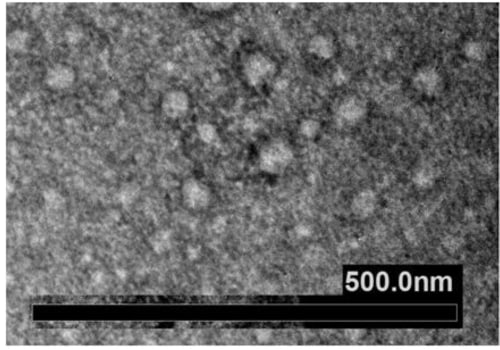
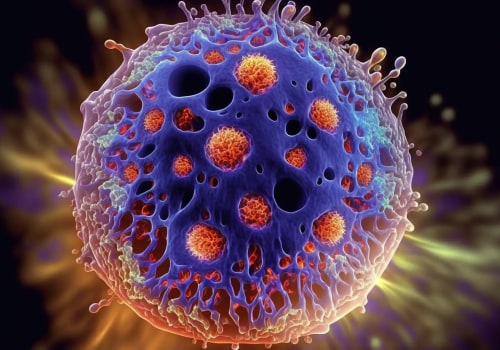
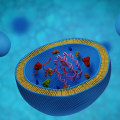
Exosomes are fascinating nanovesicles that play a crucial role in intercellular communication. These tiny particles, typically ranging from 30 to 150 nanometers in diameter, are secreted by various cell types and are involved in the transfer of proteins, lipids, and genetic material between cells. This process is essential for maintaining cellular homeostasis and facilitating communication within tissues. In essence, exosomes act as messengers, carrying vital information that can influence the behaviour and function of recipient cells.The biological significance of exosomes cannot be overstated.
They are involved in numerous physiological processes, including immune responses, tissue repair, and even the regulation of inflammation. By encapsulating and transporting bioactive molecules, exosomes help orchestrate complex cellular interactions that are fundamental to health and well-being. Their ability to modulate the activity of target cells makes them a focal point of research in various fields, including regenerative medicine and oncology.In the context of skincare, exosomes have emerged as a revolutionary ingredient due to their potential to rejuvenate and repair skin at a cellular level. When applied topically or introduced through advanced treatments like microneedling or laser therapy, exosomes can significantly enhance skin health by promoting collagen production, reducing inflammation, and accelerating healing processes.
This makes them an invaluable asset in combating signs of aging, such as wrinkles and loss of elasticity.Understanding what exosomes are and how they function lays the groundwork for appreciating their transformative effects on the skin. As we delve deeper into their applications in skincare, it becomes clear that these remarkable vesicles hold the key to unlocking a more youthful and radiant complexion.
The Science Behind Exosomes and Skin Health
Exosomes are increasingly recognised as pivotal players in the realm of skin health, primarily due to their unique ability to facilitate communication between cells. These nano-sized vesicles, secreted by various cell types including stem cells, are rich in bioactive molecules such as proteins, lipids, and nucleic acids. Their primary function is to transport these molecules to target cells, thereby influencing a range of biological processes essential for maintaining skin vitality.One of the most significant roles of exosomes in skin health is their contribution to collagen production.Collagen is a vital protein that provides structure and elasticity to the skin. As we age, collagen production naturally declines, leading to wrinkles and sagging skin. Exosomes contain growth factors that stimulate fibroblasts—cells responsible for collagen synthesis—to enhance their activity. This stimulation not only boosts collagen levels but also promotes the production of elastin, another crucial protein that helps maintain skin firmness and elasticity.In addition to promoting collagen synthesis, exosomes play a critical role in hydration.
They help improve the skin's moisture retention capabilities by enhancing the synthesis of hyaluronic acid, a substance known for its remarkable ability to hold water. This increased hydration results in plumper, more youthful-looking skin, reducing the appearance of fine lines and dryness.Moreover, exosomes are instrumental in cellular repair. They possess anti-inflammatory properties that can significantly reduce redness and irritation associated with various skin conditions. By modulating the immune response, exosomes help create an optimal environment for healing and regeneration.
This is particularly beneficial for individuals suffering from inflammatory skin disorders such as rosacea or acne.The therapeutic potential of exosomes extends beyond mere hydration and collagen production; they also aid in scarring reduction. Clinical studies have shown that exosome therapy can improve the appearance of scars by promoting tissue regeneration and reducing inflammation at the site of injury. This makes exosome treatments an appealing option for those looking to enhance their skin's texture and tone.In summary, the science behind exosomes reveals their multifaceted role in enhancing skin health. From stimulating collagen and elastin production to improving hydration and facilitating cellular repair, exosomes offer a comprehensive approach to skincare that addresses multiple signs of aging and skin damage.
As research continues to unfold, the potential applications of exosome therapy in aesthetic medicine are likely to expand, providing even more innovative solutions for achieving radiant and youthful skin.
Benefits of Exosome Treatments for Facial Skin
Exosome treatments have emerged as a revolutionary approach in the realm of facial skincare, offering a multitude of benefits that cater to various skin concerns. These tiny vesicles, derived from stem cells, are rich in bioactive molecules that play a crucial role in skin rejuvenation and repair.One of the most significant advantages of exosome therapy is its ability to reduce the appearance of wrinkles. As we age, our skin loses collagen and elastin, leading to fine lines and sagging. Exosomes stimulate the production of these essential proteins, promoting a smoother and more youthful complexion.Clinical studies have shown that patients receiving exosome treatments experience noticeable improvements in skin texture and elasticity.In addition to wrinkle reduction, exosomes are known for their anti-inflammatory properties. This makes them particularly beneficial for individuals with conditions such as rosacea or acne. By reducing inflammation, exosomes help to calm irritated skin, leading to a more even skin tone and reduced redness. This soothing effect can also enhance overall skin health, making it look revitalised and radiant.Another remarkable benefit of exosome therapy is its ability to improve skin hydration.
Exosomes facilitate better moisture retention by enhancing the skin's barrier function. This results in plumper, more hydrated skin that appears luminous and healthy. Many users report a significant increase in their skin's moisture levels following treatment, which contributes to a youthful glow.Furthermore, exosome treatments can aid in reducing pigmentation and scarring. The growth factors contained within exosomes promote cellular turnover and healing, which can diminish the appearance of dark spots and acne scars over time.
This regenerative process not only improves the skin's appearance but also boosts confidence in those who have struggled with uneven skin tone.Overall, the advantages of incorporating exosome therapy into your skincare routine are profound. From enhancing elasticity and hydration to reducing wrinkles and pigmentation, exosomes offer a comprehensive solution for those seeking to rejuvenate their facial skin. As research continues to unveil the full potential of these powerful particles, it is clear that exosome treatments represent a promising frontier in anti-aging skincare.
Exosome Therapy: How It Works
Exosome therapy is a cutting-edge treatment that harnesses the power of exosomes—tiny vesicles secreted by cells that play a crucial role in cell communication and regeneration. This therapy is particularly effective in skin rejuvenation, as it promotes healing and enhances the skin's natural processes.Understanding how exosome therapy works is essential for anyone considering this innovative approach to skincare.The procedure typically begins with a consultation, where a qualified practitioner assesses the patient's skin condition and discusses their goals. Once the treatment plan is established, the actual procedure can commence. Exosome therapy is often administered in conjunction with other skin treatments, such as microneedling or laser therapy, to maximise its effectiveness.
Microneedling with Exosomes
Microneedling involves using a device equipped with fine needles to create micro-injuries in the skin. This process stimulates the body’s natural healing response, leading to increased collagen and elastin production.After microneedling, a serum containing exosomes is applied directly to the treated area. The microchannels created during microneedling allow for deeper penetration of the exosomes into the skin, enhancing their regenerative effects.During the application of exosomes, patients can expect a soothing sensation as the serum is gently massaged into the skin. The exosomes contain growth factors and proteins that signal skin cells to repair and rejuvenate. This combination not only accelerates healing but also improves hydration and reduces inflammation, making it an ideal treatment for various skin concerns, including fine lines, wrinkles, and uneven texture.
What to Expect During the Procedure
The entire procedure usually lasts between 30 to 60 minutes, depending on the area being treated.Patients may experience mild redness or swelling immediately after treatment, similar to a light sunburn; however, these effects typically subside within a few hours. Most individuals can return to their normal activities shortly after the procedure.For optimal results, multiple sessions may be recommended, spaced several weeks apart. This allows the skin ample time to heal and regenerate between treatments. Over time, patients often notice significant improvements in their skin's texture and tone, leading to a more youthful and radiant appearance.In summary, exosome therapy combined with microneedling or laser treatments offers a powerful solution for those seeking to rejuvenate their skin.
By understanding how this therapy works and what to expect during the procedure, patients can make informed decisions about their skincare journey.
Clinical Evidence Supporting Exosome Efficacy
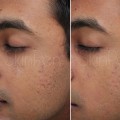
Recent clinical studies have begun to shed light on the remarkable efficacy of exosomes in skincare treatments, providing a solid foundation of evidence for their use in rejuvenating and revitalising the skin. One pivotal study published in the Journal of Cosmetic Dermatology explored the effects of exosome therapy on patients undergoing microneedling. In this study, one side of the face received an application of exosomes post-treatment, while the other side did not. The results were striking: the treated side exhibited an 11.3% increase in elastin levels, a crucial protein responsible for skin elasticity, compared to no significant improvement on the untreated side.Another important piece of research focused on the anti-inflammatory properties of exosomes.Conducted by a team at a leading dermatological institute, this study demonstrated that exosomes derived from stem cells significantly reduced inflammation in patients with rosacea. Participants reported not only a decrease in redness but also an overall improvement in skin texture and hydration levels. This highlights the potential of exosome therapy to address specific skin conditions while promoting general skin health.Furthermore, a comprehensive review published in Stem Cells Translational Medicine examined various studies on exosome applications across different fields, including dermatology. The review concluded that exosomes play a vital role in cell communication and regeneration, making them invaluable for skin rejuvenation therapies.
The authors noted that exosomes facilitate the delivery of growth factors and proteins directly to target cells, enhancing healing processes and promoting collagen synthesis.In addition to these findings, ongoing clinical trials are investigating the long-term effects of exosome therapy on skin aging and scarring. Preliminary results suggest that patients receiving regular exosome treatments experience not only immediate improvements but also sustained benefits over time, including enhanced skin firmness and reduced appearance of fine lines.As research continues to evolve, it is clear that exosomes represent a promising frontier in skincare science. Their ability to harness the body’s natural healing mechanisms positions them as a powerful tool for both aesthetic enhancement and therapeutic intervention.
Potential Side Effects and Considerations
While exosome therapy offers numerous benefits for skin rejuvenation and overall appearance, it is essential to consider potential side effects and risks associated with the treatment. Understanding these factors can help individuals make informed decisions about whether this innovative approach is suitable for their skincare needs.One of the primary concerns regarding exosome therapy is the possibility of allergic reactions.Although exosomes are derived from natural sources, some individuals may experience sensitivity to the components used in the treatment. Symptoms can range from mild redness and swelling at the injection site to more severe reactions, such as hives or difficulty breathing. It is crucial to consult with a qualified practitioner who can assess your medical history and determine if you are at risk for such reactions.Another consideration is the risk of infection. As with any procedure that involves breaking the skin barrier, there is a potential for introducing bacteria, which can lead to infections.
To mitigate this risk, it is vital to ensure that the treatment is performed in a sterile environment by a licensed professional. Following post-treatment care instructions diligently can also help reduce the likelihood of complications.Some patients may experience temporary side effects , such as bruising, swelling, or discomfort at the injection site. These effects are generally mild and resolve within a few days. However, it is essential to discuss any concerns with your practitioner beforehand so that you have realistic expectations about recovery time and what to anticipate following the procedure.Additionally, while exosome therapy has shown promising results in clinical studies, it is important to note that individual responses can vary significantly.
Factors such as skin type, age, and overall health can influence the effectiveness of the treatment. Therefore, it may take several sessions to achieve desired results, and some individuals may not respond as well as others.In conclusion, while exosome therapy presents an exciting advancement in skincare, potential side effects and considerations should not be overlooked. Engaging in thorough discussions with skincare professionals and conducting proper research will empower individuals to make informed choices about their treatment options.
Comparing Exosomes to Other Skin Treatments
When considering skin rejuvenation options, it is essential to compare exosomes with other popular treatments, particularly platelet-rich plasma (PRP). Both therapies have gained traction in the aesthetic industry for their ability to enhance skin quality, but they operate through different mechanisms and offer distinct benefits.Understanding PRP Therapy
- Mechanism: PRP therapy involves drawing a small amount of blood from the patient, which is then processed to concentrate the platelets.
These platelets contain growth factors that promote healing and tissue regeneration.
- Application: The concentrated PRP is injected into the skin or applied topically after microneedling. This method aims to stimulate collagen production and improve skin texture.
- Results: Patients often report improvements in skin tone, texture, and elasticity. However, results can vary significantly based on individual factors such as age and skin condition.
Comparing Efficacy
While both exosomes and PRP are effective in promoting skin rejuvenation, exosomes may offer several advantages:
- Precision: Exosomes are smaller than platelets and can penetrate deeper into the skin layers, allowing for more targeted cellular communication and repair.
- Bioactive Molecules: Exosomes carry a rich cargo of growth factors, proteins, and genetic material that can enhance healing and regeneration more effectively than PRP alone.
- Reduced Inflammation: Exosomes possess anti-inflammatory properties that can help soothe irritated skin, making them particularly beneficial for individuals with conditions like rosacea or acne.
Alternatives to Exosome Therapy
If exosome therapy does not seem suitable for your needs, there are other alternatives worth considering:
- Microneedling: This treatment creates micro-injuries in the skin to stimulate collagen production. It can be combined with serums or PRP for enhanced results.
- Chemical Peels: These treatments exfoliate the outer layer of skin, improving texture and tone.
They can be tailored to various skin types and concerns.
- Laser Treatments: Laser therapies target specific skin issues such as pigmentation or scarring by promoting collagen production through controlled damage to the skin.
Integrating Exosomes into Your Skincare Routine
Incorporating exosomes into your skincare routine can significantly enhance your skin's health and appearance. These powerful cellular messengers are known for their ability to rejuvenate the skin, but understanding how to use them effectively is crucial for achieving optimal results.To begin with, it’s essential to choose high-quality exosome products that are clinically validated and suitable for your skin type. Look for products that contain exosomes derived from reputable sources, as these will ensure the highest efficacy and safety. Many brands now offer at-home exosome serums that can be seamlessly integrated into your daily regimen.Best Practices for Using Exosomes
- Cleanse Your Skin: Start with a gentle cleanser to remove impurities and prepare your skin for better absorption of the exosome serum.
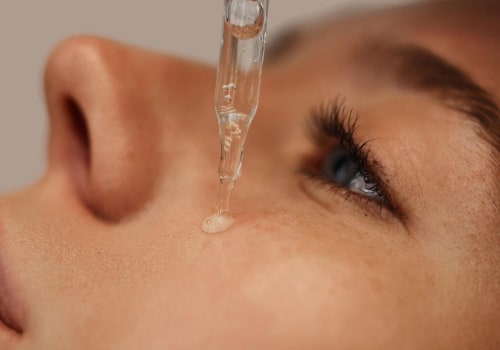
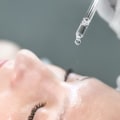
- Apply Exosome Serum: After cleansing, apply a few drops of the exosome serum directly onto your face.
Gently massage it into the skin using upward strokes to promote circulation and enhance absorption.
- Follow with Moisturiser: To lock in the benefits of the exosomes, follow up with a hydrating moisturiser. This step is vital as it helps to seal in moisture and nutrients, ensuring your skin remains plump and hydrated.
- Use Sunscreen: If you’re applying exosomes during the day, always finish with a broad-spectrum sunscreen. This protects your skin from UV damage, which can counteract the benefits of any skincare treatment.
Incorporate them into your routine regularly—ideally twice daily—to see significant improvements in skin texture, elasticity, and overall radiance. Additionally, consult with a skincare professional to tailor your routine based on your specific needs and concerns.In summary, integrating exosomes into your skincare routine involves selecting quality products, following a structured application process, and maintaining consistency. By doing so, you can harness the full potential of these remarkable cellular components to achieve healthier, more youthful-looking skin.
Frequently Asked Questions About Exosomes and Skin Care
As the popularity of exosomes in skincare continues to rise, many individuals have questions and concerns regarding their use. Below, we address some of the most frequently asked questions to help clarify any misconceptions and provide a deeper understanding of exosome therapy.What are exosomes?
Exosomes are tiny vesicles released by cells, particularly stem cells, that play a crucial role in cell communication.They contain a variety of bioactive molecules, including proteins, lipids, and genetic material, which can influence the behaviour of other cells. In skincare, exosomes are valued for their ability to promote healing, reduce inflammation, and stimulate collagen production.
How do exosomes benefit the skin?
The benefits of exosomes for the skin are numerous:- Collagen and elastin production: Exosomes stimulate fibroblasts to produce collagen and elastin, essential proteins for maintaining skin elasticity and firmness.
- Reduction of inflammation: Their anti-inflammatory properties help soothe irritated skin and reduce conditions such as rosacea.
- Improved hydration: Exosomes enhance moisture retention in the skin, leading to a plumper and more youthful appearance.
- Scar healing: They can aid in the healing process of scars by promoting tissue regeneration.
Are there any side effects associated with exosome therapy?
Exosome therapy is generally considered safe with minimal side effects. However, some individuals may experience mild redness or swelling at the treatment site. It is essential to consult with a qualified skincare professional to discuss any potential risks based on your individual skin type and health history.Can exosomes be used at home?
While professional treatments using exosomes yield the best results, some products containing stabilized exosomes are available for home use.These formulations can provide benefits but may not penetrate as deeply as those applied during clinical procedures.
Are there myths about exosome therapy?
Several myths surround exosome therapy:- Myth 1: Exosomes are the same as stem cells. This is false; exosomes are derived from stem cells but do not contain whole cells.
- Myth 2: Exosome therapy is only for older individuals. This treatment can benefit anyone looking to improve their skin's health and appearance.
- Myth 3: All exosome products are equally effective. The efficacy of exosome treatments can vary significantly based on their source and formulation.
Conclusion: The Future of Exosome Therapy in Skincare
As we conclude our exploration of exosome therapy in skincare, it is evident that this innovative treatment holds significant promise for the future of cosmetic dermatology.The ability of exosomes to enhance skin rejuvenation, promote healing, and improve overall skin health positions them as a revolutionary tool in the quest for youthful and radiant skin.Throughout this article, we have highlighted several key benefits of exosomes, including their role in:
- Stimulating collagen and elastin production: Exosomes facilitate the synthesis of these essential proteins, which are crucial for maintaining skin elasticity and firmness.
- Reducing inflammation: Their anti-inflammatory properties make exosomes particularly beneficial for individuals with conditions such as rosacea or acne, helping to calm irritated skin.
- Enhancing hydration: By improving the skin's moisture retention capabilities, exosomes contribute to a plumper and more youthful appearance.
- Accelerating healing: Exosomes can significantly speed up the recovery process following procedures like microneedling or laser therapy, ensuring optimal results.
As we continue to embrace these powerful cellular messengers, we can look forward to a new era of skincare that prioritises safety, efficacy, and transformative results.