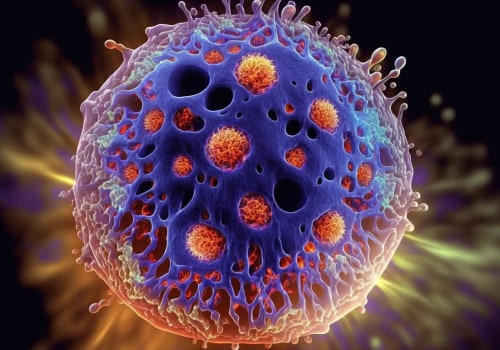
Exosomes are small extracellular vesicles, typically ranging from 30 to 150 nanometers in diameter, that play a crucial role in intercellular communication. These lipid bilayer-enclosed structures are secreted by various cell types and contain a diverse array of biomolecules, including proteins, lipids, and nucleic acids. Their ability to transfer these molecular components between cells makes them essential players in numerous biological processes, such as immune response, tissue repair, and even the progression of diseases.The significance of exosomes extends beyond mere cellular communication; they are increasingly recognised for their potential in therapeutic applications. For instance, exosomes derived from stem cells have shown promise in regenerative medicine due to their capacity to promote healing and tissue regeneration.
Furthermore, exosomes can serve as biomarkers for various diseases, providing insights into pathological conditions and aiding in early diagnosis. This dual role as both communicators and carriers of therapeutic agents underscores the importance of understanding the quality and characteristics of exosomes.As research into exosomes continues to evolve, their applications in drug delivery systems and personalised medicine are becoming more apparent. The unique properties of exosomes allow them to encapsulate therapeutic molecules and facilitate targeted delivery to specific cells or tissues, minimising side effects and enhancing treatment efficacy. This innovative approach is paving the way for new treatment modalities that leverage the natural capabilities of exosomes.In summary, exosomes are not just passive byproducts of cellular activity; they are dynamic entities that play vital roles in health and disease.
Understanding their definition, significance, and potential applications is essential for harnessing their full therapeutic potential in modern medicine.
What Are Exosomes?
Exosomes are small extracellular vesicles that play a pivotal role in intercellular communication. They are typically 30 to 150 nanometers in diameter and are secreted by various cell types into the extracellular environment. The structure of exosomes is complex, comprising a lipid bilayer that encapsulates a variety of biomolecules, including proteins, lipids, and nucleic acids. This unique composition allows exosomes to facilitate the transfer of molecular signals between cells, influencing numerous physiological and pathological processes.The function of exosomes is multifaceted.They are involved in several critical biological processes such as immune response modulation, tissue repair, and the spread of cancer. By transferring their cargo to recipient cells, exosomes can alter cellular behaviour, promote survival, or induce apoptosis. This ability to influence target cells makes exosomes a focal point in therapeutic research, particularly in regenerative medicine and oncology.Exosomes can be classified based on their origin and function:
- Microvesicles: These are larger vesicles (100-1000 nm) that bud directly from the plasma membrane of cells. They play roles in cell signalling and can carry proteins and RNA.
- Exosomes: As mentioned earlier, these are smaller vesicles that originate from endosomal compartments.
They are rich in specific proteins and RNAs that reflect the cell type from which they were derived.
- Apoptotic bodies: These vesicles are released during programmed cell death and contain cellular debris, including organelles and nuclear fragments.
Sources of High-Quality Exosomes
Exosomes are small extracellular vesicles that play a crucial role in intercellular communication and have garnered significant attention for their therapeutic potential.The quality of exosomes is heavily influenced by their source, with various cell types yielding different characteristics and functionalities. Understanding the best sources for exosome production is essential for maximising their efficacy in clinical applications.
1.Pluripotent Stem Cell-Derived Exosomes
Among the most promising sources of high-quality exosomes are pluripotent stem cells (PSCs). These cells possess the unique ability to differentiate into any cell type, which allows them to produce exosomes rich in growth factors, cytokines, and other bioactive molecules. The exosomes derived from PSCs not only exhibit a high yield but also demonstrate an enhanced capacity for drug loading, making them particularly valuable in regenerative medicine and targeted therapies.Among the most promising sources of high-quality exosomes are pluripotent stem cells (PSCs). These cells possess the unique ability to differentiate into any cell type, which allows them to produce exosomes rich in growth factors, cytokines, and other bioactive molecules. The exosomes derived from PSCs not only exhibit a high yield but also demonstrate an enhanced capacity for drug loading, making them particularly valuable in regenerative medicine and targeted therapies.
2.Macrophage-Derived Exosomes
Another notable source of exosomes is macrophages, which are immune cells known for their role in inflammation and tissue repair.
Exosomes from macrophages have been shown to possess potent antitumor properties, making them a focal point in cancer therapy research. Their ability to modulate immune responses and promote tissue regeneration further underscores their significance as a source of high-quality exosomes.
3.Platelet-Derived Exosomes
Platelets are also an excellent source of exosomes, particularly for applications related to skin rejuvenation and wound healing. The exosomes isolated from platelets contain a wealth of growth factors that facilitate collagen formation and enhance the healing process. Their benefits are comparable to those of platelet-rich plasma (PRP) treatments, which have gained popularity in aesthetic medicine.
4.Other Biological Sources
- Human Plasma: Exosomes derived from human plasma are valuable due to their natural composition and potential for therapeutic use.
- Serum: Serum-derived exosomes can provide insights into various physiological conditions and diseases.
- Urine: Urinary exosomes are non-invasive and can serve as biomarkers for kidney diseases.
- Saliva: Salivary exosomes offer a convenient source for diagnostic applications due to easy collection methods.
PSC-derived exosomes stand out for their versatility and therapeutic potential, while macrophage-derived exosomes excel in immunotherapy applications. Platelet-derived exosomes are particularly beneficial for aesthetic treatments, highlighting the diverse applications of these vesicles across various fields of medicine.
Production Processes for High-Quality Exosomes
The production of high-quality exosomes is a meticulous process that requires adherence to stringent standards and protocols. Central to this process is the implementation of Good Manufacturing Practices (GMP ), which ensure that exosomes are produced consistently and meet the necessary quality standards for clinical use.GMP in Exosome Production
GMP encompasses a wide range of practices that govern the manufacturing environment, materials, and processes involved in exosome production. This includes the selection of high-quality starting materials, such as specific cell types known for their robust exosome yield and functionality.
For instance, exosomes derived from pluripotent stem cells (PSCs) are noted for their high yield and drug loading capabilities, while those from macrophages exhibit potent antitumor properties.Furthermore, the culture environment must be optimised to support the growth and function of the source cells. This involves maintaining sterile conditions, appropriate temperature, and nutrient-rich media to promote healthy cell proliferation and exosome secretion.
Isolation Techniques
One of the most widely used methods for isolating exosomes is differential ultracentrifugation. This technique involves a series of centrifugation steps that separate exosomes based on their size and density. The process begins with low-speed centrifugation to remove cells and debris, followed by higher-speed spins to pellet the exosomes.
This method is favoured for its effectiveness in yielding high-purity exosome preparations.Other isolation techniques include size exclusion chromatography and precipitation methods, each with its own advantages and limitations. The choice of method can significantly impact the quality and functionality of the isolated exosomes.
Purification and Quality Control
After isolation, purification is crucial to eliminate contaminants such as proteins, lipids, and nucleic acids that may interfere with the therapeutic efficacy of exosomes. Quality control measures must be implemented at various stages of production to ensure that the final product meets predefined specifications. This includes rigorous testing for purity, potency, and sterility.In conclusion, the production of high-quality exosomes is a complex process that necessitates adherence to GMP guidelines, careful selection of isolation techniques, and thorough purification protocols.
As research into exosome applications continues to evolve, maintaining these high standards will be essential for advancing their use in clinical settings.
Quality Control Measures for Exosome Production
Ensuring the highest quality of exosomes is paramount in their production, particularly given their increasing application in therapeutic and diagnostic fields. Quality control measures are essential to guarantee that exosomes meet stringent standards before they are used in clinical settings.One of the primary aspects of quality control in exosome production involves rigorous testing methods. These methods assess various parameters, including purity, concentration, and biological activity. Common techniques employed include:- Nanoparticle Tracking Analysis (NTA): This technique allows for the measurement of the size distribution and concentration of exosomes in a sample, providing insights into their physical characteristics.
- Western Blotting: Used to detect specific proteins associated with exosomes, this method helps confirm the presence of exosomal markers, ensuring that the isolated vesicles are indeed exosomes.
- Transmission Electron Microscopy (TEM): TEM provides visual confirmation of exosome morphology and size, allowing for a detailed examination of their structural integrity.
- Flow Cytometry: This method can be used to analyse the surface markers on exosomes, providing information about their origin and potential functionality.
Both agencies have established frameworks that outline the necessary quality standards for advanced therapies, including exosome-based treatments. These guidelines encompass:
- Good Manufacturing Practices (GMP): Compliance with GMP ensures that all aspects of production—from raw materials to final product—are conducted under controlled conditions to maintain quality.
- Quality Control Testing: Regular testing during and after production is mandated to verify that exosomes meet predefined specifications before they are released for clinical use.
- Documentation and Traceability: Maintaining comprehensive records throughout the production process is essential for accountability and traceability, which are critical in case of any adverse events or product recalls.
Applications of High-Quality Exosomes in Medicine
High-quality exosomes are emerging as pivotal players in the realm of modern medicine, offering a plethora of applications that span therapeutic interventions and diagnostic advancements. Their unique properties, including their ability to facilitate intercellular communication and transport biomolecules, make them invaluable in various medical fields.Therapeutic Uses of Exosomes
- Cancer Treatment: Exosomes derived from specific cell types, such as dendritic cells and macrophages, have shown promise in cancer immunotherapy.
These exosomes can carry antigens that stimulate an immune response against tumours, enhancing the body’s ability to fight cancer. Furthermore, exosomes can be engineered to deliver chemotherapeutic agents directly to cancer cells, minimising damage to surrounding healthy tissues.
- Regenerative Medicine: In the field of regenerative medicine, exosomes play a crucial role in tissue repair and regeneration. For instance, exosomes derived from mesenchymal stem cells (MSCs) have been shown to promote wound healing and tissue regeneration by delivering growth factors and cytokines that facilitate cellular repair processes. This application is particularly relevant in orthopaedics and dermatology, where exosome therapy can enhance recovery from injuries.
- Neurological Disorders: Research indicates that exosomes may also be beneficial in treating neurological disorders.
They can cross the blood-brain barrier and deliver therapeutic agents directly to affected neurons. This capability opens new avenues for treating conditions such as Alzheimer’s disease and multiple sclerosis.
Diagnostics with Exosomes
Beyond their therapeutic potential, high-quality exosomes are increasingly being utilised in diagnostics. Their presence in bodily fluids such as blood, urine, and saliva makes them excellent candidates for non-invasive diagnostic tools.
- Biomarker Discovery: Exosomes carry a cargo of proteins, lipids, and nucleic acids that reflect the physiological state of their cell of origin. This characteristic allows researchers to identify potential biomarkers for various diseases, including cancers and neurodegenerative disorders.
- Liquid Biopsies: The analysis of exosomal content provides a promising approach for liquid biopsies, enabling early detection of diseases through simple blood tests.
This method is less invasive than traditional biopsies and can provide real-time insights into disease progression.
Challenges in Exosome Research and Production
The field of exosome research and production is rapidly evolving, yet it faces several significant challenges that hinder its full potential in therapeutic applications. Understanding these challenges is crucial for advancing the use of exosomes in clinical settings.One of the primary challenges in exosome therapy is the variability in exosome yield and quality depending on the source from which they are derived. Different cell types produce exosomes with distinct characteristics, which can affect their functionality and therapeutic efficacy.For instance, exosomes derived from stem cells may exhibit superior regenerative properties compared to those from other sources. This variability necessitates rigorous standardisation protocols to ensure consistent quality across batches.Moreover, current methodologies for isolating and purifying exosomes often lack efficiency and reproducibility. Techniques such as ultracentrifugation, while widely used, can be time-consuming and may lead to contamination with non-exosomal proteins or lipids. This contamination can compromise the therapeutic potential of the exosomes, making it imperative to develop more refined isolation techniques that enhance purity and yield.Another limitation in current research on exosomes is the incomplete understanding of their biological mechanisms.
While studies have demonstrated their role in intercellular communication and immune modulation, the precise pathways through which they exert their effects remain largely unexplored. This knowledge gap poses a barrier to optimising exosome-based therapies for specific diseases.Looking towards the future, there are several promising directions for enhancing the quality and application of exosomes:
- Advanced Isolation Techniques: Developing novel methods such as microfluidics or affinity-based approaches could improve the efficiency and purity of exosome isolation.
- Standardisation of Production Protocols: Establishing universal guidelines for exosome production will help mitigate variability and ensure that therapeutic products meet regulatory standards.
- In-depth Mechanistic Studies: Conducting comprehensive research to elucidate the molecular mechanisms of exosome action will facilitate targeted therapies tailored to specific conditions.
- Clinical Trials: Expanding clinical trials to assess the safety and efficacy of exosome therapies will provide valuable data to support their use in mainstream medicine.
FAQs About High-Quality Exosomes
As the field of exosome research continues to evolve, many individuals and professionals have questions regarding the quality and efficacy of exosomes. Below are some frequently asked questions that aim to clarify common misconceptions and provide guidance on selecting high-quality exosome products.What are exosomes and why are they important?
Exosomes are small extracellular vesicles that play a crucial role in intercellular communication.They are secreted by various cell types and contain proteins, lipids, and nucleic acids that can influence the behaviour of recipient cells. Their significance lies in their potential applications in diagnostics, therapeutics, and regenerative medicine.
How can I identify high-quality exosomes?
When searching for high-quality exosomes, consider the following factors:- Source: The origin of the exosomes is critical. Exosomes derived from stem cells or platelets are often regarded as having superior therapeutic properties.
- Isolation Method: Look for products isolated using advanced techniques such as ultracentrifugation or chromatography, which ensure purity and concentration.
- Quality Control: Reputable manufacturers should provide documentation of quality control measures, including purification processes and release testing results.
- Compliance with Standards: Ensure that the production process adheres to Good Manufacturing Practices (GMP) to guarantee safety and efficacy.
What are common misconceptions about exosomes?
Several misconceptions can cloud understanding of exosomes:- All exosomes are the same: This is false; exosomes vary significantly based on their source and isolation methods, affecting their functionality.
- Exosome therapy is a one-size-fits-all solution: Different conditions may require specific types of exosomes tailored to individual patient needs.
- Exosome products do not require regulation: In reality, exosome therapies must comply with regulatory standards to ensure patient safety.
Conclusion: The Future of High-Quality Exosome Research and Applications
In summary, the exploration of high-quality exosomes has unveiled a promising frontier in the realms of medicine and biotechnology.Throughout this article, we have examined the diverse sources of exosomes, their unique properties, and the rigorous standards required for their production. The distinction between exosomes derived from various cell types, such as pluripotent stem cells (PSCs) and macrophages, highlights the importance of source selection in achieving desired therapeutic outcomes.The adherence to Good Manufacturing Practices (GMP) is paramount in ensuring that exosomes are produced under optimal conditions. This includes meticulous attention to the materials used, the culture environment, and the technologies employed in their manufacture. Quality control measures, including purification and release testing, are essential to guarantee that the final product is safe and effective for patient use.As we look to the future, the potential applications of high-quality exosomes are vast.
Their role in drug delivery systems, regenerative medicine, and diagnostic tools is becoming increasingly evident. The ability of exosomes to facilitate targeted therapy while minimising side effects positions them as a revolutionary tool in treating various diseases, including cancer.Moreover, ongoing research is likely to yield new insights into the mechanisms by which exosomes exert their effects. This could lead to enhanced methods for isolating and characterising exosomes from different biological sources, further refining their therapeutic applications.In conclusion, as the field of exosome research continues to evolve, it is crucial for researchers and manufacturers to collaborate closely. Establishing comprehensive guidelines and recommendations will be vital in ensuring that these advanced therapies are not only effective but also safe for patient use.
The future of high-quality exosome research holds great promise, paving the way for innovative treatments that could transform healthcare as we know it.