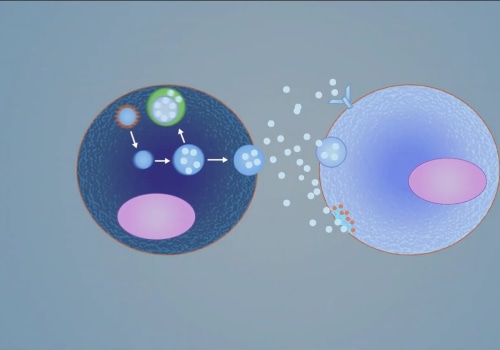
Exosomes are small extracellular vesicles, typically ranging from 30 to 150 nanometres in diameter, that play a crucial role in intercellular communication. They are secreted by various cell types and are found in numerous biological fluids, including blood, urine, and saliva. These vesicles are formed through the inward budding of the endosomal membrane, leading to the creation of multivesicular bodies that release exosomes upon fusion with the plasma membrane. The biological significance of exosomes lies in their ability to transport a diverse array of molecular cargo, including proteins, lipids, and nucleic acids such as mRNA and microRNA.
This cargo can influence the behaviour of recipient cells, thereby modulating various physiological and pathological processes. The functions of exosomes extend beyond mere cellular waste disposal; they are pivotal in several biological processes. For instance, exosomes are involved in immune responses, where they can present antigens to T cells, thus playing a role in the activation of the immune system. Additionally, they have been implicated in cancer progression by facilitating communication between tumour cells and their microenvironment. Tumour-derived exosomes can carry oncogenic factors that promote metastasis and drug resistance, making them a focal point of research in oncology. Understanding the importance of exosomes is essential for advancing medical research and therapeutic applications.
Their potential as biomarkers for disease diagnosis and prognosis is particularly noteworthy. As they encapsulate information reflective of their cell of origin, exosomes can provide insights into disease states without the need for invasive procedures. This non-invasive nature positions exosomes as promising candidates for liquid biopsies, which could revolutionise early detection and monitoring of diseases such as cancer. As research progresses, elucidating the limit of detection for exosomes will be critical in harnessing their full potential in clinical settings.
What are Exosomes?
Exosomes are small extracellular vesicles that play a pivotal role in intercellular communication.They are typically defined as membrane-bound vesicles ranging from 30 to 150 nanometers in diameter, released by various cell types into the extracellular environment. These vesicles are formed through the inward budding of the endosomal membrane, leading to the creation of multivesicular bodies (MVBs) that subsequently fuse with the plasma membrane to release exosomes into the surrounding space.The composition of exosomes is diverse and reflects their cellular origin. They are primarily composed of:
- Lipids: The lipid bilayer of exosomes contains a variety of lipids, including phospholipids, cholesterol, and sphingolipids, which contribute to their stability and functionality.
- Proteins: Exosomes carry a unique set of proteins, including membrane proteins, cytosolic proteins, and proteins involved in cell signaling. Common markers include CD63, CD9, and CD81, which are often used to identify exosomes.
- Nucleic Acids: Exosomes are rich in nucleic acids, including mRNA, miRNA, and even DNA.
These molecules can influence gene expression in recipient cells, making exosomes important mediators of cellular communication.
- Tumour-Derived Exosomes: These exosomes originate from cancer cells and can carry oncogenic factors that promote tumour progression and metastasis. They have garnered significant interest for their potential use as biomarkers in cancer diagnostics.
- Immune Cell-Derived Exosomes: Exosomes released from immune cells play crucial roles in modulating immune responses. They can carry antigens and cytokines that influence the behaviour of other immune cells.
- Neuronal Exosomes: Neurons release exosomes that can facilitate communication between nerve cells and support neuroprotection. They may also play a role in neurodegenerative diseases.
Their small size, coupled with their ability to encapsulate and transport biomolecules, makes them a promising tool for non-invasive disease monitoring and targeted drug delivery.
The Biological Role of Exosomes
Exosomes are small extracellular vesicles that play a crucial role in intercellular communication, serving as vehicles for the transfer of proteins, lipids, and nucleic acids between cells. These vesicles, typically ranging from 30 to 150 nanometers in diameter, are secreted by various cell types and are involved in numerous biological processes.One of the primary functions of exosomes is to facilitate cell communication. They carry molecular signals that can influence the behaviour of recipient cells, thereby modulating various physiological and pathological processes. For instance, exosomes can transfer microRNAs and other genetic materials that regulate gene expression in target cells.This mechanism is particularly significant in the context of immune responses, where exosomes can convey antigens and cytokines to immune cells, enhancing or suppressing immune reactions.Moreover, exosomes have been implicated in several diseases, including cancer. Tumour-derived exosomes can promote cancer progression by transferring oncogenic factors to neighbouring healthy cells, thus creating a supportive microenvironment for tumour growth. They can also facilitate metastasis by preparing distant sites for colonisation by cancer cells. For example, exosomes released from breast cancer cells have been shown to induce changes in the bone marrow microenvironment that favour metastasis.In addition to their role in cancer, exosomes are involved in other diseases such as neurodegenerative disorders and cardiovascular diseases.
In neurodegenerative conditions like Alzheimer’s disease, exosomes may carry amyloid-beta peptides that contribute to plaque formation. Similarly, in cardiovascular diseases, exosomes released from damaged heart tissue can carry biomarkers indicative of myocardial injury.The biological significance of exosomes underscores the importance of understanding their detection limits. Accurate detection of exosomes is essential for elucidating their roles in health and disease. As research progresses, developing sensitive methods for isolating and quantifying exosomes will be vital for harnessing their potential as biomarkers for early disease diagnosis and therapeutic targets.
Limit of Detection (LOD) for Exosomes
The limit of detection (LOD) for exosomes refers to the lowest concentration of exosomes that can be reliably detected in a given sample.This parameter is crucial in both research and clinical settings, as it determines the sensitivity of assays used to identify and quantify exosomes, which are vital biomarkers in various diseases, including cancer.Several factors influence the LOD for exosomes:
- Isolation Techniques: The method employed to isolate exosomes significantly impacts the LOD. Techniques such as ultracentrifugation, size exclusion chromatography, and immunoaffinity capture can yield different purities and concentrations of exosomes. For instance, immunoaffinity methods may provide higher specificity and lower background noise, enhancing detection limits.
- Sample Volume: The volume of the biological sample used for analysis also plays a critical role. Larger sample volumes can increase the likelihood of detecting low concentrations of exosomes, thereby improving the LOD.
- Analytical Methods: The choice of analytical techniques, such as flow cytometry, mass spectrometry, or nanopore sensing, affects the sensitivity and specificity of detection.
Advanced methods that allow for single-exosome analysis can achieve lower LODs compared to traditional bulk analysis techniques.
- Exosome Characteristics: The inherent properties of exosomes, including their size, surface markers, and cargo composition, can influence detection capabilities. For example, exosomes derived from different cell types may express varying levels of specific proteins that can be targeted for detection.
Furthermore, understanding the LOD helps researchers design experiments that accurately reflect the biological relevance of their findings.In summary, the limit of detection for exosomes is a multifaceted parameter influenced by various factors ranging from isolation techniques to analytical methods. Its importance in research and clinical applications underscores the need for continued advancements in technology to enhance sensitivity and specificity in exosome detection.
Techniques for Detecting Exosomes
Detecting and isolating exosomes is crucial for advancing our understanding of their role in various biological processes and their potential as biomarkers in clinical settings. Several techniques have been developed to achieve this, each with its own advantages and disadvantages.Ultracentrifugation
Ultracentrifugation is one of the most widely used methods for isolating exosomes. This technique involves spinning biological samples at high speeds to separate exosomes based on their density.The process typically includes differential centrifugation, where the sample is subjected to a series of centrifugation steps to remove larger particles before isolating exosomes.
- Advantages: Ultracentrifugation is relatively straightforward and can yield a high purity of exosomes. It is also cost-effective compared to more advanced techniques.
- Disadvantages: The method can be time-consuming and requires specialized equipment. Additionally, it may not effectively separate exosomes from other similar-sized particles, such as microvesicles or protein aggregates, which can lead to contamination.
Microfluidics
Microfluidic technologies have emerged as a promising alternative for exosome detection and isolation. These systems manipulate small volumes of fluids through microchannels, allowing for the precise separation of exosomes based on size or surface markers.- Advantages: Microfluidics offers high sensitivity and specificity, enabling the detection of low concentrations of exosomes.
The technique also allows for rapid processing and can be integrated with downstream analysis methods.
- Disadvantages: The initial setup costs can be high, and the technology may require complex fabrication processes. Additionally, the performance can be affected by clogging in the microchannels due to the small size of exosomes.
Immunoaffinity Methods
Immunoaffinity-based techniques utilize antibodies that specifically bind to surface markers on exosomes for isolation. This method can be performed using magnetic beads coated with antibodies or through other affinity-based approaches.- Advantages: Immunoaffinity methods provide high specificity, allowing for the isolation of particular subpopulations of exosomes based on their surface proteins. This specificity can enhance the quality of downstream analyses.
- Disadvantages: The reliance on specific antibodies may limit the detection of all exosomal populations, particularly if the target markers are not well-characterized.
Additionally, these methods can be more expensive due to the cost of antibodies and reagents.
Challenges in Exosome Detection
Detecting exosomes presents a unique set of challenges primarily due to their diminutive size and low abundance in biological fluids. These nanoscale vesicles, typically ranging from 30 to 100 nm, are often overshadowed by larger particles and cellular debris, complicating their isolation and analysis.One of the foremost challenges in exosome detection is their low concentration in samples such as blood or urine. The presence of exosomes can be significantly diluted, making it difficult to obtain reliable measurements.For instance, the concentration of exosomes in healthy individuals can be as low as 106 to 108 particles per millilitre of blood, which is substantially lower than that of other biomolecules. This dilution necessitates highly sensitive detection methods to ensure accurate identification and quantification.Moreover, the heterogeneity of exosomes adds another layer of complexity. Exosomes can vary widely in size, composition, and surface markers depending on their cellular origin and physiological state. This variability can lead to inconsistent results across different studies and detection methods, making standardisation a significant hurdle.The limitations of current methods for isolating and detecting exosomes further exacerbate these challenges.
Traditional techniques such as ultracentrifugation, while effective for separating exosomes from larger particles, often result in co-isolation of contaminants like proteins and lipids. Additionally, these methods can be time-consuming and require specialised equipment that may not be readily available in all clinical settings.To overcome these challenges, researchers are exploring innovative approaches that enhance the sensitivity and specificity of exosome detection. Microfluidic technologies , for example, offer a promising avenue by allowing for the manipulation of small volumes of fluid at the microscale. These devices can be designed to selectively capture exosomes based on their size or surface markers, thereby improving purity and recovery rates.Furthermore, advancements in immunoaffinity-based techniques , which utilise antibodies targeting specific exosomal surface proteins, have shown potential in isolating distinct subpopulations of exosomes.
By combining these methods with high-throughput sequencing or mass spectrometry, researchers can gain deeper insights into the molecular content of exosomes, paving the way for more accurate diagnostics.In conclusion, while the detection of exosomes is fraught with challenges stemming from their small size and low concentration, ongoing advancements in technology and methodology hold promise for overcoming these obstacles. Continued research in this field is essential for harnessing the full potential of exosomes as biomarkers for disease diagnosis and monitoring.
Clinical Applications of Exosome Detection
The detection of exosomes has emerged as a pivotal advancement in the realm of clinical diagnostics, particularly in oncology. These nanoscale vesicles, which are secreted by various cell types, including cancer cells, carry a wealth of molecular information that can be harnessed for disease monitoring and diagnosis. Their potential as biomarkers is underscored by their ability to reflect the physiological state of their parent cells, making them invaluable in understanding disease progression and treatment response.One of the most significant clinical applications of exosome detection lies in cancer diagnosis.Traditional methods for cancer detection often rely on invasive procedures, such as biopsies, which can be uncomfortable and carry risks. In contrast, exosomes can be isolated from non-invasive sources like blood or urine, providing a safer alternative for patients. This non-invasive nature not only enhances patient compliance but also allows for repeated sampling over time, facilitating real-time monitoring of disease dynamics.Exosomes contain various biomolecules, including proteins, lipids, and nucleic acids, which can serve as indicators of pathological conditions. For instance, specific protein markers found on the surface of exosomes can indicate the presence of certain cancers.
Studies have shown that elevated levels of exosomal proteins correlate with tumor burden and can predict treatment outcomes. Furthermore, the presence of specific microRNAs within exosomes has been linked to various cancer types, offering a promising avenue for early detection.However, the clinical utility of exosomes is significantly influenced by their limit of detection (LOD). The LOD refers to the lowest concentration of exosomes that can be reliably detected using current technologies. A higher LOD may limit the ability to detect early-stage cancers or subtle changes in disease status.
Therefore, advancements in isolation and detection techniques are crucial to enhance sensitivity and specificity.Innovative methods such as microfluidic devices and advanced imaging techniques are being developed to improve the LOD for exosome detection. These technologies aim to isolate exosomes more efficiently and analyse their content with greater precision. As these methods evolve, they hold the potential to transform exosome-based diagnostics into a routine part of clinical practice.In summary, the clinical applications of exosome detection are vast and promising. As research continues to unravel the complexities of these vesicles, their role as biomarkers in cancer diagnosis will likely expand, paving the way for more effective and personalised treatment strategies.
Future Directions in Exosome Research
The field of exosome research is rapidly evolving, with numerous avenues for future exploration that promise to enhance our understanding and application of these nanoscale vesicles.As the limitations of current detection technologies become increasingly apparent, researchers are focusing on innovative methods to improve the limit of detection (LOD) for exosomes, which could significantly impact clinical diagnostics and therapeutic monitoring.One promising direction is the development of advanced microfluidic devices that can isolate and analyse exosomes with greater sensitivity and specificity. These devices leverage the unique physical and chemical properties of exosomes, allowing for the separation of these vesicles from other biological materials with minimal sample preparation. By integrating nanotechnology into microfluidic systems, researchers aim to create platforms that can detect exosomes at lower concentrations than currently possible.Moreover, the incorporation of immunoaffinity techniques into these microfluidic devices could further enhance detection capabilities. By using antibodies that specifically target exosomal surface markers, it becomes feasible to enrich samples for exosomes before analysis.
This approach not only increases the purity of the isolated exosomes but also improves the accuracy of subsequent analyses, paving the way for more reliable biomarkers in cancer diagnostics.In addition to technological advancements, there is a growing interest in understanding the biological roles of exosomes in various diseases. Future research could focus on elucidating the mechanisms by which exosomes contribute to disease progression and response to treatment. This knowledge could lead to breakthroughs in personalised medicine, where exosomal content is used to tailor therapies based on individual patient profiles.Furthermore, as our understanding of exosomal cargo expands—encompassing proteins, lipids, and nucleic acids—there is potential for developing novel therapeutic strategies that utilise exosomes as drug delivery vehicles. This could revolutionise treatment paradigms for conditions such as cancer, where targeted delivery of therapeutics via exosomes may enhance efficacy while minimising side effects.In conclusion, the future of exosome research holds immense promise.
With advancements in detection technologies and a deeper understanding of their biological functions, we are on the brink of significant breakthroughs that could transform clinical applications and improve patient outcomes.
Frequently Asked Questions about Exosome Detection
Exosome detection is a rapidly evolving field, and with it comes a variety of questions regarding the limits of detection for these nanoscale vesicles. Below are some frequently asked questions that aim to clarify common misconceptions and provide insights into the significance of exosome detection.What is the limit of detection for exosomes?
The limit of detection (LOD) for exosomes can vary significantly depending on the method used for their isolation and analysis. Traditional techniques such as ultracentrifugation may struggle to detect low concentrations of exosomes, particularly in complex biological fluids like blood. However, advanced methods such as microfluidic devices and immunoaffinity capture have shown promise in enhancing sensitivity, allowing for the detection of exosomes at concentrations as low as a few hundred particles per microlitre.Why is the limit of detection important?
The LOD is crucial in clinical settings, especially for early cancer diagnosis and monitoring.A higher sensitivity in detecting exosomes can lead to earlier intervention and better patient outcomes. For instance, detecting specific biomarkers within exosomes can provide insights into tumour progression or response to therapy, making it essential to refine detection methods continually.
What factors influence the limit of detection?
- Isolation Techniques: The choice of isolation method significantly impacts the purity and yield of exosomes, which in turn affects the LOD.
- Sample Complexity: Biological samples often contain a myriad of other particles that can interfere with exosome detection, complicating the analysis.
- Instrumentation: The sensitivity and resolution of the instruments used for detection play a vital role in determining the LOD.
Are there any advancements in exosome detection technologies?
Yes, recent advancements include the development of nanoscale sensors and enhanced imaging techniques that allow for real-time monitoring of exosome release and composition. These innovations are paving the way for more sensitive and specific assays that could revolutionise how we utilise exosomes in diagnostics and therapeutics.In summary, understanding the limits of detection for exosomes is essential for harnessing their potential in clinical applications. As research progresses, we can expect improvements in detection methodologies that will enhance our ability to utilise these vesicles effectively in disease monitoring and treatment strategies.Conclusion: The Importance of Understanding Exosome Detection Limits
In summary, understanding the limit of detection for exosomes is crucial for advancing both research and clinical applications.As highlighted throughout this article, exosomes serve as vital biomarkers in various diseases, particularly in oncology, where they can provide insights into cancer progression and treatment response. However, the inherent challenges associated with their small size and the complexities involved in their isolation and detection significantly impact their clinical utility.The limitations in detecting exosomes stem from several factors:
- Size Overlap: Exosomes range from 30 to 100 nm, which overlaps with other nanoscale particles such as proteins and cellular debris. This overlap complicates the accurate identification and quantification of exosomes in biological samples.
- Low Abundance: The concentration of tumor-derived exosomes in circulation is often exceedingly low compared to those from healthy cells, making it challenging to isolate them effectively.
- Sample Preparation: The extensive sample preparation required for exosome isolation can introduce variability and affect the reliability of detection methods.
This standardisation will help ensure consistency across studies and enhance the comparability of results, ultimately leading to more reliable clinical applications.In conclusion, a comprehensive understanding of the limits of detection for exosomes is imperative for harnessing their full potential as biomarkers. By addressing the current challenges and leveraging emerging technologies, we can significantly improve patient care through more accurate diagnostics and tailored therapeutic strategies.