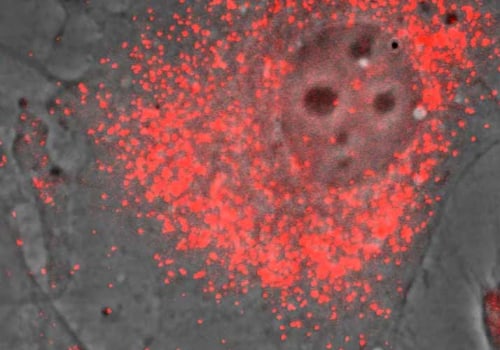
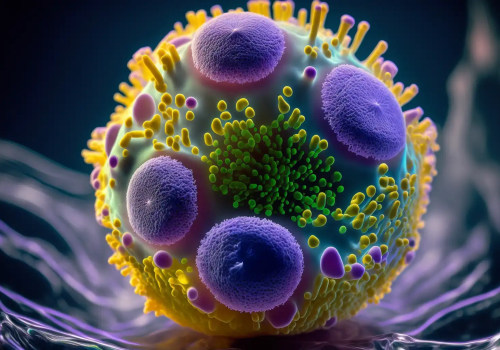
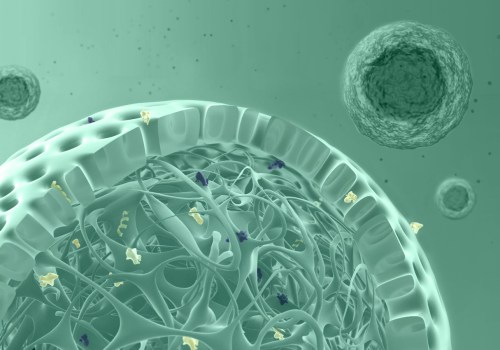
Exosomes are small, membrane-bound vesicles that play a pivotal role in intercellular communication. These nanometre-sized structures, typically ranging from 30 to 150 nanometres in diameter, are secreted by various cell types into the extracellular environment. Their significance lies not only in their ability to transport a diverse array of biomolecules—including proteins, lipids, and nucleic acids—but also in their capacity to influence the behaviour of recipient cells. By transferring their molecular cargo, exosomes can modulate numerous biological processes, such as immune responses, tissue repair, and even the progression of diseases.The function of exosomes extends beyond mere cellular waste disposal; they are integral to maintaining homeostasis within the body.
For instance, exosomes derived from immune cells can carry signals that either promote or inhibit inflammation, thereby playing a crucial role in immune regulation. Furthermore, in the context of cancer, exosomes can facilitate tumour growth and metastasis by transferring oncogenic factors to neighbouring cells. This highlights their dual nature as both potential therapeutic targets and vehicles for delivering therapeutic agents.Understanding the importance of exosomes is essential for advancing biomedical research and clinical applications. Their unique properties make them promising candidates for non-invasive diagnostic biomarkers, as they reflect the physiological state of their parent cells.
Additionally, exosomes are being explored as innovative drug delivery systems due to their ability to encapsulate therapeutic molecules and target specific tissues or organs. As research continues to unveil the complexities of exosome biology, it becomes increasingly clear that these vesicles are not just by-products of cellular activity but rather key players in a multitude of physiological and pathological processes.
What Are Exosomes?
Exosomes are small extracellular vesicles that play a pivotal role in intercellular communication. Typically ranging from 30 to 150 nanometers in diameter, these vesicles are formed within the endosomal system of cells and are released into the extracellular space upon the fusion of multivesicular bodies with the plasma membrane. Their unique size and structure allow them to carry a diverse array of biomolecules, including proteins, lipids, and nucleic acids, which can influence the behaviour of recipient cells.The characteristics of exosomes are defined by their origin and composition.They are derived from various cell types, including but not limited to:
- Stem Cells:Stem Cells: Exosomes from stem cells often contain growth factors and miRNAs that can promote tissue repair and regeneration.
- Immune Cells: Exosomes released by immune cells can modulate immune responses, either enhancing or suppressing activity depending on the context.
- Cancer Cells: Tumour-derived exosomes can carry oncogenic signals that facilitate metastasis and drug resistance.
- Neuronal Cells: Neuronal exosomes are involved in synaptic communication and may play a role in neurodegenerative diseases.
- Pro-inflammatory Exosomes: These are typically released during immune responses and can carry cytokines that promote inflammation.
- Regenerative Exosomes: Often secreted by stem cells, these exosomes contain factors that aid in healing and tissue regeneration.
- Cancer-associated Exosomes: These vesicles can carry genetic material that influences tumour progression and metastasis.
Biogenesis of Exosomes
The biogenesis of exosomes is a complex and highly regulated process that involves multiple cellular mechanisms. At the core of exosome formation is the endosomal sorting complex required for transport (ESCRT) pathway, which plays a pivotal role in the sorting and packaging of proteins and lipids into intraluminal vesicles (ILVs) within multivesicular bodies (MVBs).Initially, the process begins with the invagination of the endosomal membrane, leading to the formation of early endosomes.As these early endosomes mature into late endosomes, they undergo a series of transformations that facilitate the budding off of ILVs. The ESCRT machinery is crucial during this stage, as it orchestrates the recruitment of ubiquitinated proteins to specific domains on the endosomal membrane. This recruitment is primarily mediated by ESCRT-0, which recognizes and binds to ubiquitin tags on target proteins.Following this initial recognition, other ESCRT components, namely ESCRT-I, ESCRT-II, and ESCRT-III, are recruited sequentially. ESCRT-I and II are involved in membrane deformation and invagination, while ESCRT-III facilitates the final scission of the vesicles from the membrane.
This intricate process ensures that specific cargo is selectively packaged into exosomes, allowing for precise intercellular communication.However, it is essential to note that while the ESCRT pathway is a dominant mechanism for exosome biogenesis, alternative pathways also exist. These include mechanisms involving lipid rafts and tetraspanins. Lipid rafts are microdomains within the membrane rich in cholesterol and sphingolipids that can promote the clustering of specific proteins and lipids necessary for exosome formation. Tetraspanins, a family of membrane proteins, also play a significant role in organizing these lipid rafts and facilitating cargo selection.The regulation of exosome biogenesis is influenced by various factors including cellular stress, environmental cues, and specific signaling pathways.
For instance, under conditions of hypoxia or inflammation, cells may increase exosome production as a means to communicate stress signals or modulate immune responses.In summary, the biogenesis of exosomes is a multifaceted process involving both the ESCRT pathway and alternative mechanisms. Understanding these processes not only sheds light on fundamental cellular functions but also opens avenues for therapeutic applications where exosomes can be harnessed for drug delivery or as biomarkers in disease diagnostics.
Molecular Composition of Exosomes
Exosomes are complex nanovesicles that play a pivotal role in intercellular communication, and their molecular composition is crucial for understanding their functionality. These vesicles are composed of a diverse array of biomolecules, including proteins, lipids, and nucleic acids, each contributing to their unique properties and biological activities.Proteins in Exosomes
The protein content of exosomes is highly variable and reflects the cell type from which they originate. Typically, exosomal proteins can be classified into three main categories:- Structural proteins: These include tetraspanins (such as CD63, CD81, and CD9), which play a significant role in exosome formation and stability.
- Enzymes: Various enzymes are present that can influence the metabolic state of recipient cells.
For instance, proteases and lipases can modify the extracellular environment.
- Signalling proteins: These proteins facilitate communication between cells by activating specific pathways in target cells, thereby influencing processes such as proliferation, differentiation, and apoptosis.
Lipids in Exosomes
The lipid bilayer of exosomes is not merely a structural component; it also plays a critical role in their function. The lipid composition includes:- Phospholipids: These are the primary constituents of the exosomal membrane, providing fluidity and flexibility.
- Sphingolipids: These lipids are involved in cell signalling and can affect the biogenesis of exosomes.
- Cholesterol: This lipid is essential for maintaining membrane integrity and influences the fusion of exosomes with target cells.
Nucleic Acids in Exosomes
Exosomes are also rich in nucleic acids, including RNA, which can be classified into several types:- MicroRNAs (miRNAs): These small non-coding RNAs play a crucial role in gene regulation and can modulate the expression of target genes in recipient cells.
- Long non-coding RNAs (lncRNAs): Emerging evidence suggests that lncRNAs carried by exosomes can influence various cellular processes, including those related to cancer progression.
- Messenger RNA (mRNA): Although less common, mRNA found in exosomes can be translated into proteins within recipient cells, further impacting cellular functions.
Mechanisms of Exosome Release
Exosomes are released from cells through a variety of mechanisms, each influenced by specific cellular contexts and environmental factors. Understanding these mechanisms is crucial for harnessing the potential of exosomes in therapeutic applications and diagnostics.One of the primary pathways for exosome release involves the endosomal sorting complex required for transport (ESCRT).This mechanism is initiated when ubiquitinated proteins are recognised and sequestered within specific regions of the endosomal membrane. The ESCRT machinery, particularly ESCRT-0, plays a pivotal role in this process by binding to these ubiquitinated proteins, facilitating their incorporation into intraluminal vesicles (ILVs) within multivesicular bodies (MVBs). Once MVBs fuse with the plasma membrane, exosomes are released into the extracellular space.However, the ESCRT pathway is not the sole mechanism for exosome release. Recent studies have highlighted alternative pathways that operate independently of ESCRT.
These include:
- Lipid Raft-Mediated Release: Lipid rafts are microdomains within the plasma membrane rich in cholesterol and sphingolipids. They play a significant role in the budding process of exosomes. The clustering of specific lipids and proteins within these rafts can facilitate membrane invagination and subsequent vesicle formation.
- Tetraspanin Involvement: Tetraspanins are a family of membrane proteins that organise various signalling molecules into functional complexes. They are implicated in exosome biogenesis and release by promoting the formation of ILVs and stabilising exosomal membranes.
- Cell Type: Different cell types exhibit distinct exosomal profiles and release mechanisms, which can affect their functional roles in intercellular communication.
- Environmental Stimuli: Factors such as hypoxia, inflammation, and cellular stress can modulate exosome release, often enhancing their production as a response to changing conditions.
- Cellular Metabolism: The metabolic state of a cell can also impact exosome secretion.
For instance, altered energy levels may influence the availability of lipid precursors necessary for membrane formation.
Exosome Functionality and Intercellular Communication
Exosomes play a pivotal role in intercellular communication, acting as vehicles for the transfer of bioactive molecules between cells. These nanovesicles are released by various cell types and contain a diverse array of cargo, including proteins, lipids, and nucleic acids such as mRNA and miRNA.This cargo is not merely a byproduct of cellular metabolism; rather, it is selectively packaged and released, allowing exosomes to influence the behaviour of recipient cells significantly.One of the primary functions of exosomes is to facilitate cell-to-cell communication. When exosomes are taken up by target cells, they can alter the recipient's gene expression and cellular functions. This process is crucial in numerous physiological contexts, such as immune responses, where exosomes can modulate the activity of immune cells, enhancing or suppressing their functions depending on the body's needs. For instance, exosomes derived from dendritic cells can present antigens to T cells, thereby initiating an immune response.In addition to their role in normal physiological processes, exosomes are also implicated in various pathological conditions.
In cancer, for example, tumour-derived exosomes can promote tumour progression by transferring oncogenic factors to surrounding healthy cells. This intercellular communication can lead to changes in the tumour microenvironment that favour cancer cell survival and metastasis. Furthermore, exosomes can contribute to drug resistance by transferring resistance-related proteins or RNAs to neighbouring cancer cells.The therapeutic potential of exosomes is vast and multifaceted. Their ability to encapsulate therapeutic agents makes them promising candidates for drug delivery systems.
Exosomes can be engineered to carry specific drugs or genetic material directly to target cells, minimising off-target effects and enhancing treatment efficacy. For instance, exosomes derived from stem cells have shown promise in regenerative medicine due to their ability to deliver growth factors and other therapeutic molecules that promote tissue repair.Moreover, the use of exosomes as diagnostic biomarkers is gaining traction. The unique molecular signatures found within exosomes can provide insights into disease states, enabling early detection and monitoring of various conditions. By analysing the content of exosomes isolated from body fluids such as blood or urine, researchers can develop non-invasive diagnostic tools that reflect the physiological state of the organism.In summary, exosomes serve as crucial mediators of intercellular communication with significant implications for both health and disease.
Their diverse functionalities not only enhance our understanding of cellular interactions but also open new avenues for therapeutic interventions and diagnostic applications.
Exosomes in Disease Mechanisms
Exosomes play a pivotal role in various disease mechanisms, particularly in the context of cancer. These nanosized vesicles are not merely byproducts of cellular activity; they are active participants in intercellular communication, influencing the behaviour of recipient cells and contributing to disease progression.In cancer, exosomes facilitate several critical processes, including tumour metastasis. They carry a diverse array of bioactive molecules, such as proteins, lipids, and nucleic acids, which can modulate the tumour microenvironment. For instance, exosomes derived from cancer cells can promote epithelial-mesenchymal transition (EMT), a process that enhances the migratory and invasive capabilities of tumour cells.This transition is crucial for metastasis, allowing cancer cells to detach from the primary tumour and invade surrounding tissues or enter the bloodstream.Moreover, exosomes contribute to drug resistance in cancer therapy. They can transfer specific genetic material that encodes resistance mechanisms to neighbouring cells, thereby enabling them to survive chemotherapeutic agents. This phenomenon complicates treatment strategies and underscores the need for a deeper understanding of exosomal functions in cancer.The role of exosomes extends beyond cancer; they are implicated in various other diseases, including neurodegenerative disorders and cardiovascular diseases. In these contexts, exosomes can carry inflammatory mediators or neurotoxic proteins that exacerbate disease pathology.
For example, in Alzheimer’s disease, exosomes may transport amyloid-beta peptides, contributing to plaque formation and neuronal damage.Understanding the mechanisms by which exosomes influence disease processes opens up new avenues for therapeutic interventions. Targeting exosome biogenesis or their uptake by recipient cells could provide novel strategies for combating diseases. For instance, inhibiting the release of exosomes from cancer cells may reduce their metastatic potential and enhance the efficacy of existing therapies.Furthermore, exosomes hold promise as therapeutic vehicles. Their natural ability to encapsulate and deliver therapeutic agents—such as small interfering RNAs (siRNAs) or chemotherapeutics—directly to target cells makes them attractive candidates for drug delivery systems.
By engineering exosomes to carry specific therapeutic payloads, researchers aim to improve treatment specificity and reduce side effects.In conclusion, the multifaceted roles of exosomes in disease mechanisms highlight their potential as both biomarkers and therapeutic targets. Continued research into their functions will be essential for developing innovative strategies to combat various diseases effectively.
Technological Advances in Exosome Research
Recent advancements in the field of exosome research have significantly enhanced our understanding of these nanovesicles, particularly in terms of their isolation and analysis. Various technologies have emerged, each with its own advantages and limitations, contributing to a more comprehensive exploration of exosome biology.Methods for Isolating Exosomes
- Ultracentrifugation: This is one of the most widely used methods for isolating exosomes. It involves spinning cell culture supernatants at high speeds to separate exosomes based on their size and density.
While effective, this method can be time-consuming and may lead to the co-isolation of contaminants.
- Size-Exclusion Chromatography (SEC): SEC separates exosomes based on their size, allowing for a more refined isolation process. This method reduces the risk of contamination from proteins and other larger molecules, making it a preferred choice for purifying exosomes.
- Precipitation Methods: Commercial kits are available that use polymer-based precipitation techniques to isolate exosomes. These methods are relatively quick and user-friendly but may not provide the same purity levels as ultracentrifugation or SEC.
- Microfluidics: This emerging technology allows for the isolation of exosomes using small-scale fluidic devices. Microfluidics offers high throughput and can be tailored for specific applications, although it is still in the developmental stages compared to traditional methods.
Future Directions in Exosome Studies
The future of exosome research holds great promise as new technologies continue to evolve.
One area of focus is the development of more sensitive and specific methods for characterising exosomal cargo, including proteins, lipids, and nucleic acids. Advanced techniques such as mass spectrometry and next-generation sequencing are expected to play pivotal roles in this regard.Moreover, integrating artificial intelligence (AI) and machine learning into exosome research could revolutionise data analysis, enabling researchers to identify patterns and correlations that were previously undetectable. This could lead to breakthroughs in understanding how exosomes influence various biological processes and diseases.As we continue to uncover the complexities of exosome biology, interdisciplinary collaborations will be essential. By combining expertise from fields such as molecular biology, bioengineering, and nanotechnology, researchers can develop innovative approaches to harness the therapeutic potential of exosomes in clinical applications.
Conclusion: The Future of Exosome Research and Applications
In summary, the exploration of exosomes has unveiled a complex and dynamic landscape that holds significant promise for both diagnostics and therapeutics.As we have discussed, these nanovesicles are not merely cellular debris; they are sophisticated carriers of molecular information that can influence the behaviour of recipient cells. The mechanisms underlying their biogenesis, including the roles of the ESCRT pathway and alternative pathways involving lipid rafts and tetraspanins, highlight the intricate processes that govern their formation and release.The potential applications of exosomes in clinical settings are vast. Their ability to encapsulate proteins, lipids, and nucleic acids makes them ideal candidates for non-invasive biomarkers in various diseases, including cancer, neurodegenerative disorders, and cardiovascular diseases. The specificity with which exosomes can target recipient cells opens avenues for tailored therapeutic strategies, allowing for the delivery of drugs or genetic material directly to affected tissues.Looking ahead, several key areas warrant further investigation:
- Standardisation of Isolation Techniques: Developing robust methods for exosome isolation and characterisation will be crucial for ensuring reproducibility in research and clinical applications.
- Understanding Cargo Specificity: Elucidating how specific proteins and RNAs are sorted into exosomes will enhance our ability to manipulate their content for therapeutic purposes.
- Clinical Trials: More extensive clinical trials are needed to validate the efficacy of exosome-based therapies and diagnostics in real-world settings.
- Regulatory Frameworks: Establishing clear regulatory guidelines will be essential as exosome-based products move towards commercialisation.
As our understanding deepens, we may unlock new therapeutic avenues that harness the natural capabilities of these remarkable vesicles, paving the way for innovative solutions in medicine.