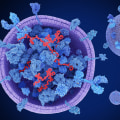
Exosomes are increasingly recognised as pivotal players in the intricate web of cellular communication, particularly in the context of inflammation. These nanoscale extracellular vesicles, typically ranging from 30 to 150 nanometres in diameter, are secreted by various cell types and serve as carriers of a diverse array of biomolecules, including proteins, lipids, and nucleic acids. Their ability to encapsulate and transport these molecular signals allows exosomes to influence the behaviour of recipient cells, thereby modulating numerous physiological and pathological processes, including the complex mechanisms underlying inflammatory responses.The role of exosomes in inflammation is multifaceted. They can either exacerbate or alleviate inflammatory responses depending on their content and the context in which they are released.
For instance, exosomes derived from activated immune cells often contain pro-inflammatory cytokines that can amplify the inflammatory response, while those from regulatory cells may carry anti-inflammatory signals that help to resolve inflammation. This duality highlights the importance of understanding the specific roles that exosomes play in different inflammatory conditions, as it opens up potential avenues for therapeutic intervention.Moreover, the mechanisms by which exosomes influence inflammation are complex and involve various pathways. They can interact with target cells through receptor-mediated endocytosis or fusion with the plasma membrane, leading to changes in gene expression and cellular behaviour. Additionally, exosomes can modulate the immune response by transferring microRNAs that regulate gene expression in recipient cells, further emphasising their significance in shaping inflammatory processes.
As research continues to unveil the diverse functions of exosomes, their potential as biomarkers for inflammatory diseases and as therapeutic targets becomes increasingly apparent.
What Are Exosomes?
Exosomes are extracellular vesicles that play a pivotal role in intercellular communication. They are typically released by various cell types into the extracellular environment and are involved in numerous biological processes. Defined as small membrane-bound vesicles, exosomes range in size from approximately 30 to 150 nanometres in diameter. Their unique structure comprises a lipid bilayer that encapsulates a variety of biomolecules, including proteins, lipids, and nucleic acids.The formation of exosomes begins with the inward budding of the plasma membrane, leading to the creation of multivesicular bodies (MVBs).These MVBs can either fuse with lysosomes for degradation or merge with the plasma membrane to release exosomes into the extracellular space. This process is crucial for maintaining cellular homeostasis and facilitating communication between cells.
Structure of Exosomes
The structural integrity of exosomes is vital for their function. The lipid bilayer not only protects the contents within but also plays a role in determining how exosomes interact with recipient cells. The composition of the lipid bilayer can vary significantly depending on the cell type from which they originate, influencing their biological activity.Inside, exosomes carry a diverse array of molecules:
- Proteins: These include membrane proteins, cytosolic proteins, and proteins involved in signaling pathways.
- Nucleic Acids: Exosomes can transport various forms of RNA, including mRNA and microRNA, which can influence gene expression in target cells.
- Lipids: The lipid composition can affect membrane fluidity and the ability of exosomes to fuse with other membranes.
Types of Exosomes
Exosomes can be classified based on their origin and function:- Cell Type-Specific Exosomes: Different cell types release exosomes with distinct molecular signatures. For instance, immune cells may release exosomes rich in cytokines that modulate immune responses.
- Pathological Exosomes: In disease states, such as cancer or inflammation, exosomes may carry specific biomarkers that reflect the pathological condition, making them potential targets for diagnostic purposes.
- Therapeutic Exosomes: Research is ongoing into harnessing exosomes for therapeutic delivery systems due to their natural ability to transport bioactive molecules.
The Mechanisms of Inflammation
Inflammation is a complex biological response that occurs when tissues are damaged or infected. It serves as a protective mechanism aimed at eliminating the initial cause of cell injury, clearing out necrotic cells and tissues, and initiating the healing process.The inflammatory response can be classified into two main types: acute and chronic inflammation.
Acute inflammation
is the body’s immediate response to harmful stimuli, such as pathogens, irritants, or injury. This type of inflammation is typically characterised by the classic signs of redness, heat, swelling, pain, and loss of function. The process begins with the recognition of danger signals by resident immune cells, such as macrophages and mast cells, which release pro-inflammatory cytokines and chemokines. These signalling molecules recruit additional immune cells to the site of injury or infection, leading to an influx of neutrophils and other leukocytes.During acute inflammation, blood vessels dilate (vasodilation) and become more permeable, allowing plasma proteins and leukocytes to exit the bloodstream and enter the affected tissue.
This results in the characteristic swelling (oedema) associated with inflammation. The primary goal of acute inflammation is to contain and eliminate the offending agent while promoting tissue repair.In contrast, chronic inflammation is a prolonged inflammatory response that can last for months or even years. It often arises when the acute inflammatory response fails to eliminate the initial cause of injury or when there is an inappropriate immune response. Chronic inflammation is associated with various diseases, including autoimmune disorders, cardiovascular diseases, and cancer.
In this state, immune cells such as macrophages and lymphocytes persist in the affected tissue, leading to ongoing tissue damage and fibrosis.The mechanisms underlying both acute and chronic inflammation involve a complex interplay between various cell types, signalling pathways, and mediators. Key players include:
- Cytokines: These are small proteins released by immune cells that mediate communication between cells during the inflammatory response.
- Chemokines: A subset of cytokines that specifically attract immune cells to sites of inflammation.
- Prostaglandins: Lipid compounds that have diverse roles in promoting inflammation and modulating pain.
- Leukotrienes: Another class of lipid mediators involved in sustaining inflammatory responses.
Exosomes in the Inflammatory Response
Exosomes play a pivotal role in the inflammatory response, acting as key mediators in the communication between cells during immune reactions. These nanosized vesicles are released by various cell types, including immune cells, and are involved in transporting a diverse array of biomolecules, such as proteins, lipids, and nucleic acids.This transport capability is crucial for modulating the inflammatory response and influencing the behaviour of recipient cells.One of the primary functions of exosomes in inflammation is their ability to carry cytokines , which are essential signalling molecules that regulate immune responses. Exosomes can encapsulate both pro-inflammatory and anti-inflammatory cytokines, thereby influencing the balance of inflammation within tissues. For instance, exosomes derived from activated macrophages often contain elevated levels of pro-inflammatory cytokines like TNF-α and IL-6.When these exosomes interact with neighbouring cells, they can enhance inflammatory responses, promoting processes such as leukocyte recruitment and activation.Conversely, exosomes can also transport anti-inflammatory cytokines such as IL-10. The presence of these cytokines within exosomes can help to dampen excessive inflammation and promote resolution. This dual functionality highlights the complex role of exosomes in inflammation; they can either exacerbate or mitigate inflammatory processes depending on their content and the context of their release.Moreover, exosomes are not merely passive carriers; they actively participate in immune modulation. , which are essential signalling molecules that regulate immune responses. Exosomes can encapsulate both pro-inflammatory and anti-inflammatory cytokines, thereby influencing the balance of inflammation within tissues. For instance, exosomes derived from activated macrophages often contain elevated levels of pro-inflammatory cytokines like TNF-α and IL-6.When these exosomes interact with neighbouring cells, they can enhance inflammatory responses, promoting processes such as leukocyte recruitment and activation.Conversely, exosomes can also transport anti-inflammatory cytokines such as IL-10. The presence of these cytokines within exosomes can help to dampen excessive inflammation and promote resolution. This dual functionality highlights the complex role of exosomes in inflammation; they can either exacerbate or mitigate inflammatory processes depending on their content and the context of their release.Moreover, exosomes are not merely passive carriers; they actively participate in immune modulation.
For example, exosomes released from dendritic cells can present antigens to T cells, thereby enhancing adaptive immune responses. This antigen presentation is crucial for the development of effective immunity against pathogens while also playing a role in maintaining tolerance to self-antigens.In addition to cytokine transport and immune modulation, exosomes have been implicated in the regulation of various signalling pathways that govern inflammation. They can influence pathways such as NF-κB and MAPK, which are central to the inflammatory response. By modulating these pathways, exosomes can alter gene expression profiles in recipient cells, further shaping the inflammatory landscape.In summary, exosomes serve as vital players in the inflammatory response by facilitating communication between cells through cytokine transport and immune modulation.
Their ability to carry both pro-inflammatory and anti-inflammatory signals underscores their potential as therapeutic targets for managing inflammatory diseases.
Pro-inflammatory Effects of Exosomes
Exosomes have emerged as significant players in the modulation of inflammatory responses, particularly through their capacity to carry and deliver pro-inflammatory cytokines. These small extracellular vesicles, secreted by various cell types, can influence the behaviour of recipient cells, thereby amplifying the inflammatory response in a targeted manner.One of the primary mechanisms by which exosomes exert their pro-inflammatory effects is through the transfer of cytokines. Cytokines are crucial signalling molecules that mediate and regulate immunity, inflammation, and haematopoiesis. When exosomes are loaded with pro-inflammatory cytokines such as interleukin-1 (IL-1) , interleukin-6 (IL-6) , and tumour necrosis factor-alpha (TNF-α) , they can significantly enhance the inflammatory response in recipient cells.For instance, exosomes derived from activated macrophages have been shown to contain elevated levels of these pro-inflammatory cytokines.Upon fusion with target cells, these exosomes can trigger a cascade of signalling pathways that lead to increased expression of adhesion molecules and further cytokine production. This process not only perpetuates inflammation but also recruits additional immune cells to the site of inflammation, creating a feedback loop that can exacerbate tissue damage if left unchecked.Moreover, the role of exosomes in promoting inflammation extends beyond mere cytokine transfer. They can also modulate the immune activation status of recipient cells. For example, exosomes from cancer cells can induce a pro-inflammatory microenvironment that supports tumour growth and metastasis.
This is particularly evident in conditions such as chronic inflammation and cancer, where exosomal cargo can skew immune responses towards a more inflammatory phenotype.Understanding the mechanisms by which exosomes enhance inflammatory responses opens new avenues for therapeutic intervention. By targeting specific pathways involved in exosome biogenesis or release, it may be possible to mitigate excessive inflammation associated with various diseases. Furthermore, manipulating the content of exosomes to favour anti-inflammatory cytokines could provide a novel strategy for treating inflammatory disorders.In summary, the pro-inflammatory effects of exosomes underscore their potential as both biomarkers and therapeutic targets in inflammatory diseases. As research continues to unravel the complexities of exosomal communication within the immune system, it becomes increasingly clear that these vesicles hold significant promise for advancing our understanding and treatment of inflammation-related conditions.
Anti-inflammatory Properties of Exosomes
Exosomes have emerged as pivotal players in the regulation of inflammation, particularly through their anti-inflammatory properties.These extracellular vesicles can carry a variety of bioactive molecules, including cytokines , lipids, and nucleic acids, which can modulate the inflammatory response in recipient cells. Understanding how exosomes exert these effects is crucial for harnessing their therapeutic potential in treating inflammatory diseases.One of the primary mechanisms by which exosomes mitigate inflammation is through the delivery of anti-inflammatory cytokines. For instance, exosomes derived from mesenchymal stem cells (MSCs) have been shown to contain high levels of interleukin-10 (IL-10), a potent anti-inflammatory cytokine. When these exosomes are introduced to inflamed tissues, they can significantly reduce the production of pro-inflammatory cytokines such as tumour necrosis factor-alpha (TNF-α) and interleukin-6 (IL-6), thereby promoting a more balanced immune response.Moreover, exosomes can influence the behaviour of immune cells. . For instance, exosomes derived from mesenchymal stem cells (MSCs) have been shown to contain high levels of interleukin-10 (IL-10), a potent anti-inflammatory cytokine. When these exosomes are introduced to inflamed tissues, they can significantly reduce the production of pro-inflammatory cytokines such as tumour necrosis factor-alpha (TNF-α) and interleukin-6 (IL-6), thereby promoting a more balanced immune response.Moreover, exosomes can influence the behaviour of immune cells.
For example, exosomes released from regulatory T cells (Tregs) have been found to enhance the anti-inflammatory responses of other immune cells, such as macrophages. This interaction not only helps to dampen excessive inflammation but also promotes tissue repair and regeneration.The therapeutic potential of exosomes extends beyond their natural anti-inflammatory properties. Researchers are actively exploring ways to engineer exosomes to enhance their efficacy in delivering anti-inflammatory signals. This includes loading exosomes with specific cytokines or small interfering RNAs (siRNAs) that target inflammatory pathways.
Such engineered exosomes could serve as targeted therapies for chronic inflammatory conditions like rheumatoid arthritis, inflammatory bowel disease, and even neurodegenerative disorders.In addition to cytokine regulation, exosomes can also modulate inflammation through their lipid content. Certain lipids found in exosomal membranes can activate pathways that lead to the resolution of inflammation. For instance, sphingosine-1-phosphate (S1P), a lipid mediator present in some exosomes, has been shown to promote anti-inflammatory responses by influencing cell migration and survival.In summary, the anti-inflammatory properties of exosomes represent a promising avenue for therapeutic intervention in various inflammatory diseases. By understanding the mechanisms through which these vesicles operate, researchers can develop innovative strategies that leverage their natural capabilities to restore balance in the immune system and promote healing.
Exosome Heterogeneity and Its Implications
Exosomes are not a uniform entity; rather, they exhibit significant heterogeneity in both size and content.This variability is a critical aspect that researchers must consider when studying exosomes, as it can profoundly influence their biological functions and therapeutic potential.The size of exosomes typically ranges from 30 to 150 nm, but even within this range, there can be considerable differences. This size variability can affect how exosomes interact with target cells and their ability to deliver cargo effectively. For instance, smaller exosomes may have enhanced tissue penetration capabilities, while larger ones might be more efficient in carrying specific proteins or nucleic acids.In addition to size, the content of exosomes is also highly variable. Exosomes can carry a diverse array of biomolecules, including:
- Proteins: These can include receptors, enzymes, and signaling molecules that play roles in various cellular processes.
- Nucleic acids: Exosomes often contain mRNA, microRNA (miRNA), and even DNA fragments, which can influence gene expression in recipient cells.
- Lipids: The lipid composition of exosomes can vary based on the originating cell type and its physiological state.
- Metabolites: Small molecules that can provide insights into the metabolic state of the parent cell.
On one hand, it complicates the standardisation of exosome isolation and characterisation methods, making it difficult to compare results across studies. On the other hand, understanding the specific profiles of exosomes derived from different cell types or under various conditions can lead to tailored therapeutic strategies. For example, exosomes from cancer cells may carry unique markers that could be exploited for targeted drug delivery or as biomarkers for early detection.Furthermore, the implications of exosome heterogeneity extend into clinical applications. As researchers strive to harness exosomes for therapeutic purposes, recognising their diverse nature will be essential for developing effective treatments.
This includes optimising methods for isolating specific subpopulations of exosomes that may have distinct functions or therapeutic potentials.In conclusion, the variability in exosome content and size is a fundamental characteristic that must be embraced in both research and clinical settings. By acknowledging this complexity, scientists can better understand the multifaceted roles of exosomes in health and disease, paving the way for innovative therapeutic approaches.
Exosomal Biomarkers in Inflammatory Diseases
Exosomes have emerged as pivotal players in the realm of inflammatory diseases, serving not only as vehicles for intercellular communication but also as potential biomarkers for diagnosis and prognosis. Their unique composition, which reflects the physiological state of their parent cells, makes them invaluable in understanding the underlying mechanisms of inflammation.One of the most significant aspects of exosomes is their ability to encapsulate a variety of molecular constituents, including proteins, lipids, and nucleic acids. This diverse cargo can provide insights into the inflammatory processes occurring within the body.For instance, specific proteins associated with inflammation, such as cytokines and chemokines, can be detected in exosomes derived from inflamed tissues. This characteristic positions exosomal content as a promising source for identifying biomarkers that could aid in the early detection of inflammatory diseases.Moreover, the diagnostic potential of exosomal biomarkers extends beyond mere identification. They can also offer information regarding disease progression and response to therapy. For example, studies have shown that changes in the levels of certain microRNAs within exosomes correlate with disease severity in conditions like rheumatoid arthritis and inflammatory bowel disease.
This correlation suggests that monitoring these exosomal microRNAs could facilitate personalized treatment approaches tailored to individual patient needs.In addition to their role in diagnostics, exosomes are being explored for their therapeutic potential. By harnessing their natural ability to transport bioactive molecules, researchers are investigating how exosomes can be engineered to deliver anti-inflammatory agents directly to target cells. This innovative approach could revolutionise treatment strategies for chronic inflammatory conditions.As research continues to unfold, it is becoming increasingly clear that exosomal biomarkers hold great promise in the field of personalised medicine. Their ability to provide real-time insights into the inflammatory state of an individual opens new avenues for early intervention and tailored therapeutic strategies.
The integration of exosomal analysis into clinical practice could significantly enhance our capacity to manage inflammatory diseases more effectively.
Future Directions in Exosome Research Related to Inflammation
As the understanding of exosomes and their multifaceted roles in inflammation continues to evolve, several promising avenues for future research are emerging. These directions not only aim to deepen our comprehension of exosomal functions but also seek to harness their potential for therapeutic applications.1.Elucidating Mechanisms of Action
Future studies should focus on elucidating the precise mechanisms by which exosomes influence inflammatory processes. This includes investigating the specific molecular pathways activated by exosomal cargo, such as microRNAs, proteins, and lipids. Understanding these pathways will provide insights into how exosomes can modulate immune responses and inflammation.
2.Therapeutic Applications
The therapeutic potential of exosomes is vast, particularly in the context of inflammatory diseases.
Research should explore the feasibility of using engineered exosomes as drug delivery vehicles, capable of transporting anti-inflammatory agents directly to target tissues. Additionally, the development of exosome-based therapies could involve harnessing their natural properties to enhance tissue repair and regeneration in chronic inflammatory conditions.
3.Standardisation and Isolation Techniques
One of the significant challenges in exosome research is the standardisation of isolation and characterisation methods. Future research must address these challenges by developing robust protocols that ensure reproducibility and reliability in exosome studies. This will facilitate comparisons across different studies and enhance the credibility of findings.
4.Clinical Applications and Biomarkers
Exosomes hold promise as biomarkers for various inflammatory diseases.
Future investigations should focus on identifying specific exosomal signatures associated with different inflammatory conditions, which could lead to non-invasive diagnostic tools. Furthermore, longitudinal studies could assess how exosomal profiles change in response to treatment, providing valuable insights into disease progression and therapeutic efficacy.
5.Interdisciplinary Approaches
The complexity of exosome biology necessitates an interdisciplinary approach that combines insights from molecular biology, immunology, and bioengineering. Collaborative efforts among researchers from diverse fields will be crucial in advancing our understanding of exosomes and their role in inflammation.In conclusion, the future of exosome research related to inflammation is bright, with numerous opportunities for innovation and discovery. By addressing current challenges and exploring new therapeutic avenues, researchers can unlock the full potential of exosomes in combating inflammatory diseases.
<strong>Conclusion</strong>
In conclusion, the exploration of exosomes in the context of inflammation has unveiled a complex yet fascinating landscape that is pivotal for understanding various pathological conditions.Throughout this article, we have delved into the multifaceted roles that exosomes play in modulating inflammatory responses, highlighting their dual capacity to either exacerbate or alleviate inflammation depending on their content and the cellular context from which they are derived.To summarise the key points discussed:
- Exosomes as Mediators of Inflammation: These extracellular vesicles are not merely by-products of cellular activity; they actively participate in intercellular communication, influencing the inflammatory microenvironment significantly.
- Pro- and Anti-inflammatory Properties: Depending on their cargo, exosomes can carry pro-inflammatory cytokines that amplify immune responses or anti-inflammatory factors that help to resolve inflammation, showcasing their potential as therapeutic agents.
- Role in Disease Mechanisms: Exosomes have been implicated in various diseases, including autoimmune disorders and chronic inflammatory conditions, making them critical targets for research aimed at developing novel treatment strategies.
- Therapeutic Potential: The ability to manipulate exosome production and content opens new avenues for therapeutic interventions. Exosome-based therapies could potentially be designed to enhance healing processes or suppress harmful inflammatory responses.
Their diverse roles and therapeutic potential warrant further investigation, paving the way for breakthroughs that could transform how we approach inflammatory diseases in clinical practice.