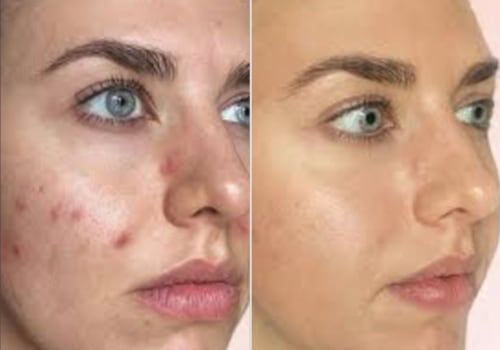
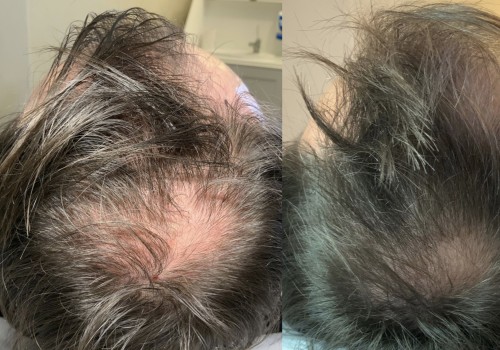
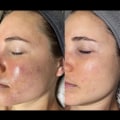
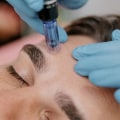
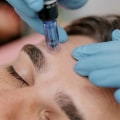
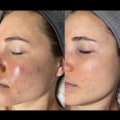
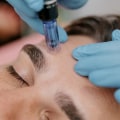
Exosome treatments represent a groundbreaking advancement in the field of regenerative aesthetics, harnessing the power of cellular communication to promote healing and rejuvenation. Exosomes are tiny vesicles secreted by cells that play a crucial role in intercellular communication, facilitating the transfer of proteins, lipids, and genetic material. This natural mechanism is now being utilised in aesthetic medicine to enhance skin quality, texture, and overall appearance. As more individuals seek effective solutions for skin rejuvenation and hair restoration, understanding the significance of exosome treatments becomes essential.The effectiveness of exosome therapy lies in its ability to stimulate the body’s own regenerative processes.
By delivering growth factors and other bioactive molecules directly to targeted areas, exosomes can significantly improve skin elasticity, reduce fine lines, and promote a youthful glow. Patients often report visible improvements after just one session; however, the optimal number of treatments can vary based on individual skin conditions and desired outcomes. This variability raises an important question: how many exosome treatments do you actually need?Determining the right frequency and number of exosome treatments is crucial for achieving the best results. Factors such as age, skin type, and specific concerns—ranging from mild signs of ageing to more severe skin damage—play a significant role in tailoring a treatment plan.
While some may find satisfaction with a single session, others may benefit from a series of treatments spaced over several weeks. This personalised approach not only maximises the benefits of exosomes but also ensures that each patient receives care tailored to their unique needs.In summary, exosome treatments offer a promising avenue for those looking to enhance their skin's health and appearance. With their ability to promote cellular regeneration and improve overall skin quality, they stand out as a superior option in aesthetic procedures. As we delve deeper into this topic, we will explore the recommended treatment frequency and how to optimise your experience with exosome therapy.
What Are Exosomes?
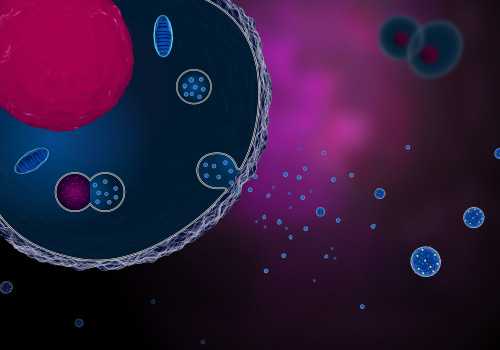
Exosomes are small extracellular vesicles that play a pivotal role in cellular communication and regeneration.These nano-sized particles, typically ranging from 30 to 150 nanometers in diameter, are secreted by various cell types and contain a rich cargo of proteins, lipids, and nucleic acids. Their primary function is to facilitate intercellular communication by transferring molecular signals between cells, thereby influencing numerous biological processes.In the context of exosome therapy , these vesicles are harnessed for their regenerative properties. They act as natural mediators of cell-to-cell communication, promoting healing and tissue repair. When exosomes are introduced into the body, they can stimulate cellular responses that enhance regeneration and reduce inflammation.
This makes them particularly valuable in aesthetic treatments aimed at improving skin quality and texture.The biological role of exosomes extends beyond mere communication; they are involved in various physiological processes such as immune response modulation, tissue repair, and even the regulation of stem cell behaviour. By transferring specific proteins and genetic material, exosomes can influence the behaviour of recipient cells, encouraging them to adopt regenerative functions.Understanding the definition and function of exosomes is crucial for appreciating their therapeutic potential. In recent years, research has increasingly focused on their application in regenerative medicine and aesthetic procedures. The ability of exosomes to promote healing at a cellular level positions them as a promising alternative to traditional treatments.Moreover, exosome therapy is gaining traction due to its minimal invasiveness and quick recovery times compared to other procedures. This makes them particularly valuable in aesthetic treatments aimed at improving skin quality and texture.The biological role of exosomes extends beyond mere communication; they are involved in various physiological processes such as immune response modulation, tissue repair, and even the regulation of stem cell behaviour. By transferring specific proteins and genetic material, exosomes can influence the behaviour of recipient cells, encouraging them to adopt regenerative functions.Understanding the definition and function of exosomes is crucial for appreciating their therapeutic potential. In recent years, research has increasingly focused on their application in regenerative medicine and aesthetic procedures. The ability of exosomes to promote healing at a cellular level positions them as a promising alternative to traditional treatments.Moreover, exosome therapy is gaining traction due to its minimal invasiveness and quick recovery times compared to other procedures.
Patients often experience noticeable improvements in skin appearance after treatment, thanks to the powerful regenerative capabilities of these vesicles.In summary, exosomes are not just cellular by-products; they are essential players in the complex network of cellular communication and regeneration. Their therapeutic applications continue to expand, offering exciting possibilities for enhancing skin health and overall well-being.
The Science Behind Exosome Therapy
Exosome therapy is a cutting-edge approach in regenerative medicine that harnesses the power of exosomes—tiny vesicles secreted by cells that play a crucial role in cell communication and regeneration. These vesicles are rich in proteins, lipids, and nucleic acids, which facilitate intercellular communication and promote healing processes within the body.At the core of exosome therapy is the understanding that these vesicles can transfer bioactive molecules from one cell to another, effectively instructing target cells to enhance their regenerative capabilities. This mechanism is particularly beneficial for skin and hair health, as exosomes can stimulate cellular repair, reduce inflammation, and promote collagen production.How Exosomes Work
When exosomes are introduced into the skin through treatments such as microneedling, they penetrate the dermal layers and interact with local cells.
This interaction triggers a cascade of biological responses that lead to improved skin texture, elasticity, and overall appearance. The regenerative properties of exosomes are attributed to their ability to:
- Enhance Cell Communication: Exosomes facilitate communication between cells, allowing them to coordinate their responses to damage or stress.
- Promote Healing: By delivering growth factors and cytokines, exosomes accelerate the healing process of damaged tissues.
- Reduce Inflammation: Exosomes possess anti-inflammatory properties that can help soothe irritated skin and reduce redness.
- Stimulate Collagen Production: The presence of specific proteins in exosomes encourages fibroblasts to produce more collagen, leading to firmer and more youthful-looking skin.
Benefits of Exosome Therapy
The benefits of exosome therapy extend beyond mere aesthetic improvements. Patients often report significant enhancements in skin quality and hair growth following treatment. Some key advantages include:
- Minimal Downtime: Unlike more invasive procedures, exosome therapy typically involves little to no recovery time, making it an attractive option for those with busy lifestyles.
- Natural Results: As exosomes utilise the body’s own healing mechanisms, results tend to look natural and harmonious with the individual’s features.
- Versatility: Exosome therapy can be applied to various areas of the body, including the face and scalp, making it suitable for a range of cosmetic concerns.
By leveraging the regenerative properties of exosomes, patients can achieve remarkable improvements in their appearance while benefiting from a treatment that aligns with the body’s intrinsic healing capabilities.
How Many Exosome Treatments Do You Need?
Determining the number of exosome treatments required for optimal results is a nuanced process that varies significantly from person to person. Several factors come into play, including the severity of the skin condition being treated, individual treatment goals, and how one's skin responds to the therapy.Generally, most practitioners recommend a series of 3 to 5 sessions , spaced approximately 1 to 2 weeks apart. This frequency allows the body to respond effectively to the treatment while maximising the regenerative benefits of exosomes. However, it is essential to understand that these recommendations are not one-size-fits-all.For individuals with mild skin concerns, such as minor signs of ageing or slight texture irregularities, a single treatment may yield satisfactory results.Many patients report visible improvements after just one session, which can be particularly appealing for those seeking quick enhancements without extensive downtime.Conversely, those dealing with more severe skin issues—such as significant sun damage, deep wrinkles, or pronounced scarring—may require a more intensive approach. In such cases, a series of treatments is often advised to achieve the desired outcome. The cumulative effect of multiple sessions can lead to substantial improvements in skin quality and appearance.Another critical aspect to consider is the interval between treatments. While many practitioners suggest waiting 2 weeks between sessions, some may recommend longer intervals based on individual healing responses and treatment goals.
For instance, patients may benefit from spacing treatments further apart if they experience prolonged redness or sensitivity following their sessions.Ultimately, the best course of action is to consult with a qualified practitioner who can assess your unique skin condition and tailor a treatment plan accordingly. They will evaluate your skin's response after each session and adjust the number and frequency of treatments as needed to ensure optimal results.In summary, while a typical regimen may involve 3 to 5 exosome treatments , individual needs can vary widely. Factors such as skin type, treatment objectives, and personal response should guide your treatment plan for the best possible outcomes.
Factors Influencing Treatment Frequency
When considering exosome treatments, it is essential to recognise that the frequency and number of sessions required can vary significantly from person to person. Several factors play a crucial role in determining the optimal treatment plan tailored to individual needs.1.Skin Type and Condition
- Skin Type: Different skin types—such as oily, dry, or combination—respond uniquely to exosome therapy.
For instance, individuals with oily skin may require fewer sessions due to the skin's natural oil production aiding in healing, while those with dry or sensitive skin might benefit from more frequent treatments to enhance hydration and elasticity.
- Specific Conditions: The nature and severity of the skin condition being treated are paramount. Conditions like acne scars or significant sun damage may necessitate a series of treatments spaced a few weeks apart to achieve optimal results. Conversely, minor concerns might be addressed effectively with just one or two sessions.
2.Age and Skin Regeneration
- Age: As we age, our skin's regenerative capabilities diminish. Older patients may find that they require more frequent exosome treatments to stimulate collagen production and improve skin texture compared to younger individuals whose skin may respond more readily.
- Regeneration Rate: Individual differences in skin regeneration rates also influence treatment frequency.
Some people naturally heal faster than others, which can affect how often they should undergo exosome therapy.
3.Desired Outcomes
- Aesthetic Goals: The specific aesthetic goals of the patient will also dictate treatment frequency. Those seeking dramatic improvements in skin tone and texture may opt for a more intensive treatment schedule, while others looking for subtle enhancements might be satisfied with fewer sessions.
- Maintenance Treatments: After achieving desired results, many patients choose to schedule maintenance treatments every six months to a year to sustain their improved appearance.
Expected Results from Exosome Treatments
When considering exosome treatments, understanding the expected results is crucial for setting realistic expectations. Patients often seek these therapies for various skin and hair concerns, and the outcomes can vary significantly based on individual circumstances.Typically, many patients begin to notice visible improvements after their first treatment session.However, the timeline for results can differ based on several factors, including:
- Severity of the Condition: Individuals with more pronounced skin issues, such as deep wrinkles or significant scarring, may require multiple sessions to achieve optimal results.
- Skin Type: Different skin types respond uniquely to exosome therapy. For instance, oily skin may show quicker improvements compared to dry skin.
- Age: Younger patients often experience faster healing and regeneration, while older individuals may need additional treatments to see similar effects.
- Overall Health: A patient’s general health and lifestyle choices, such as diet and hydration, can influence the effectiveness of the treatment.
- Improved Skin Texture: Many report smoother and more even skin texture as a result of enhanced collagen production.
- Increased Radiance: Exosome therapy often leads to a more youthful glow, as it promotes cellular turnover and rejuvenation.
- Reduction in Fine Lines and Wrinkles: Over time, patients typically notice a decrease in the appearance of fine lines and wrinkles.
While initial changes can be seen shortly after treatment, the most significant improvements often become apparent around three months post-therapy. This delayed response is due to the gradual process of cellular regeneration that exosomes facilitate.Ultimately, it is essential for patients to maintain open communication with their healthcare provider throughout their treatment journey. Regular follow-ups can help tailor the treatment plan to individual needs and ensure that expectations align with achievable outcomes.
Combining Exosome Treatments with Other Therapies
Exosome therapy has emerged as a revolutionary treatment in the field of aesthetics, particularly for skin rejuvenation and hair restoration. However, its true potential can be significantly enhanced when combined with other therapeutic modalities.This section explores how exosome treatments can synergistically work with various aesthetic procedures to optimise results and provide a more comprehensive approach to skincare.
Understanding Combination Therapies
Combination therapies involve the strategic use of multiple treatments to address specific skin concerns more effectively than any single treatment could achieve alone. By integrating exosome therapy with other procedures, patients can benefit from enhanced outcomes, reduced recovery times, and a more holistic approach to their skincare regimen.
Popular Combinations with Exosome Treatments
- Microneedling: One of the most effective ways to enhance the benefits of exosome therapy is through microneedling. This technique creates micro-injuries in the skin, allowing for better absorption of exosomes. The combination not only promotes collagen production but also maximises the regenerative properties of exosomes, leading to improved skin texture and tone.
- Laser Treatments: Exosomes can be used in conjunction with laser therapies such as fractional CO2 or Erbium lasers.
These lasers stimulate collagen and elastin production while exosomes help to reduce inflammation and accelerate healing, resulting in a smoother and more youthful appearance.
- PRP (Platelet-Rich Plasma): Combining exosome therapy with PRP can amplify the regenerative effects on the skin. While PRP provides growth factors that promote healing, exosomes enhance cellular communication and regeneration, making this duo particularly effective for anti-ageing treatments.
- Morpheus8: This innovative treatment combines microneedling with radiofrequency energy. When paired with exosome therapy, it can significantly improve skin tightening and texture while minimising downtime due to the anti-inflammatory properties of exosomes.
Benefits of Combining Treatments
The integration of exosome therapy with other aesthetic procedures offers numerous advantages:
- Enhanced Results: The synergistic effects of combining treatments often lead to superior outcomes compared to standalone therapies.
- Reduced Downtime: Exosomes possess anti-inflammatory properties that can help mitigate swelling and redness associated with other treatments, allowing for quicker recovery.
- Comprehensive Care: A multi-faceted approach addresses various skin concerns simultaneously, providing a more thorough solution for patients.
- Customised Treatment Plans: Each patient’s needs are unique; combining therapies allows practitioners to tailor treatments specifically to individual goals and conditions.
Safety and Side Effects of Exosome Treatments
When considering exosome treatments, understanding the safety and potential side effects is crucial for anyone looking to enhance their skin or hair health.Exosome therapy, while promising, does come with its own set of considerations that should be thoroughly evaluated.
Safety of Exosome Therapy
Exosomes are naturally occurring vesicles that facilitate communication between cells, playing a vital role in various biological processes. Because they are derived from human cells, exosome treatments are generally considered safe. However, the safety profile can vary based on several factors:
- Source of Exosomes: The origin of the exosomes is critical. Treatments derived from reputable sources and processed under stringent regulations tend to have a higher safety profile.
- Administration Method: Exosome therapy can be administered through various methods, including microneedling or direct injection.
Each method has its own safety considerations and potential for side effects.
- Patient Health: Individual health conditions and skin types can influence how a patient responds to exosome therapy. A thorough consultation with a qualified practitioner is essential to assess any underlying health issues.
Potential Side Effects
While many patients experience minimal side effects, it is important to be aware of possible reactions:
- Redness and Swelling: Mild redness or swelling at the treatment site is common and usually subsides within a few hours to a couple of days.
- Itching or Discomfort: Some individuals may experience temporary itching or discomfort following the procedure, which typically resolves quickly.
- Allergic Reactions: Although rare, allergic reactions can occur. Patients should inform their practitioner of any known allergies prior to treatment.
- Infection Risk: As with any procedure that involves skin penetration, there is a slight risk of infection. Following post-treatment care instructions can help mitigate this risk.
Risks Associated with Exosome Treatments
The risks associated with exosome treatments are generally low, especially when performed by experienced professionals.
However, it is essential to consider the following:
- Lack of Regulation: The field of regenerative medicine, including exosome therapy, is still evolving. Not all products are regulated equally, which can lead to variability in treatment quality.
- Long-term Effects: While short-term results are often promising, the long-term effects of exosome therapy are still being studied. Patients should discuss their treatment goals and expectations with their healthcare provider.
Consultation with a Professional: What to Expect?
When considering exosome therapy, a thorough consultation with a qualified professional is essential.This initial meeting serves as a foundation for understanding your unique skin concerns and treatment goals. Here’s what you can expect during this important consultation.
1.Comprehensive Skin Assessment
- Your practitioner will begin with a detailed assessment of your skin type, condition, and any specific issues you may be facing, such as signs of aging, acne scars, or uneven texture.
- They may also inquire about your medical history, including any previous treatments or procedures you have undergone, to ensure that exosome therapy is suitable for you.
2.Discussion of Treatment Goals
- During the consultation, you will have the opportunity to express your expectations and desired outcomes from the treatment. This dialogue is crucial for tailoring a plan that aligns with your individual needs.
- Your practitioner will explain how exosomes work at a cellular level and how they can help rejuvenate your skin or address specific concerns.
3.Customised Treatment Plan
- Based on the assessment and discussion, your professional will recommend a personalised treatment plan. This may include the number of sessions required, the interval between treatments, and any complementary procedures that could enhance results.
- For instance, if you have significant skin damage, they might suggest a series of treatments spaced several weeks apart to achieve optimal results.
4.Addressing Concerns and Questions
- Your consultation is also an excellent time to ask any questions or voice concerns regarding the procedure, recovery time, and expected results.
A reputable practitioner will provide clear answers and set realistic expectations.
- Understanding potential side effects and aftercare is vital for ensuring a smooth recovery process.
5.Follow-Up Considerations
- Finally, your practitioner may discuss follow-up appointments to monitor progress and make adjustments to your treatment plan as necessary. Regular evaluations can help maximise the benefits of exosome therapy.
<strong>Conclusion</strong>
In summary, the question of how many exosome treatments you may need is not a one-size-fits-all answer. The optimal number of sessions can vary significantly based on individual skin conditions, treatment goals, and the specific areas being targeted.While some patients may notice improvements after just one session, others with more extensive skin damage or specific concerns might benefit from a series of treatments.Typically, practitioners recommend a course of 3 to 5 sessions, spaced 1 to 2 weeks apart. This schedule allows the body to respond effectively to the therapy and maximises the regenerative potential of the exosomes. It is essential to consult with a qualified professional who can assess your unique skin type and condition, tailoring a treatment plan that aligns with your aesthetic goals.Moreover, the intervals between treatments are crucial. Many experts suggest waiting between 6 months to a year before considering additional sessions.
This timeframe not only helps maintain the results achieved but also allows for the natural regeneration processes stimulated by the exosome therapy to take place.Ultimately, the effectiveness of exosome treatments lies in their ability to enhance cellular communication and promote healing at a fundamental level. As you embark on this journey towards improved skin health, remember that patience and consistency are key. Regular follow-ups with your practitioner will ensure that your treatment plan remains aligned with your evolving needs.In conclusion, while initial results from exosome therapy can be promising, achieving long-lasting effects often requires a strategic approach involving multiple sessions. By working closely with your healthcare provider, you can determine the most effective treatment regimen tailored specifically for you.