The quest to understand and combat the effects of ageing has captivated scientists and researchers for decades. As we age, our bodies undergo a series of complex biological changes that can lead to a decline in health, vitality, and overall well-being. Among the most promising avenues of research in this field is the study of stem cellsstem cells, which possess unique regenerative capabilities that could potentially mitigate the effects of ageing. These remarkable cells have the ability to differentiate into various cell types, enabling them to repair damaged tissues and restore function in ageing organs.One of the most intriguing aspects of stem cell research is the role of exosomes, small vesicles secreted by stem cells that carry proteins, lipids, and genetic material.
Exosomes are increasingly being recognised as key players in intercellular communication, facilitating the transfer of bioactive molecules that can influence cellular behaviour and promote healing. This has led to a growing interest in how exosomes derived from stem cells might be harnessed to develop innovative anti-aging therapies.In regenerative medicine, the potential applications of stem cells and their exosomes are vast. From enhancing skin rejuvenation to improving organ function, these cellular components may hold the key to unlocking new treatments that not only address the symptoms of ageing but also target its underlying causes. As we delve deeper into this fascinating subject, it becomes clear that understanding the intricate relationship between stem cells, exosomes, and ageing could pave the way for groundbreaking advancements in health and longevity.
Understanding Stem Cells
Stem cells are unique cells in the body with the remarkable ability to develop into various cell types.They serve as a sort of internal repair system, capable of dividing and renewing themselves for extended periods. This regenerative capacity makes them a focal point in medical research, particularly in the context of aging and regenerative medicine.There are primarily two categories of stem cells: embryonic stem cells and adult stem cells. Embryonic stem cells are derived from early-stage embryos and can differentiate into any cell type in the body, making them incredibly versatile. However, their use raises ethical concerns and regulatory challenges.
In contrast, adult stem cells, which include mesenchymal stem cells (MSCs) , are found in various tissues throughout the body and play a crucial role in maintaining and repairing tissues.
Types of Stem Cells
- Embryonic Stem Cells: These cells are pluripotent, meaning they can become any cell type. They are harvested from embryos and have significant potential for regenerative therapies.
- Adult Stem Cells: Also known as somatic stem cells, these are multipotent and can differentiate into a limited range of cell types. They are primarily involved in tissue maintenance and repair.
- Induced Pluripotent Stem Cells (iPSCs): These are adult cells that have been genetically reprogrammed to an embryonic stem cell-like state, allowing them to develop into any cell type.
Mesenchymal stem cells (MSCs) , a subset of adult stem cells, have garnered significant attention in anti-aging research due to their unique properties. MSCs can be isolated from various tissues, including bone marrow, adipose tissue, and umbilical cord blood.
They possess the ability to differentiate into multiple cell types such as osteoblasts (bone cells), chondrocytes (cartilage cells), and adipocytes (fat cells). This versatility is crucial for tissue regeneration.Moreover, MSCs secrete a variety of bioactive molecules known as exosomes, which play a vital role in cell communication and tissue repair. These exosomes contain proteins, lipids, and RNA that can modulate inflammation and promote healing processes. The therapeutic potential of MSCs lies not only in their ability to regenerate tissues but also in their capacity to influence the microenvironment through these exosomes.In the realm of stem cell therapy , MSCs are being explored for their potential to combat age-related degeneration.
By harnessing their regenerative capabilities, researchers aim to develop treatments that could mitigate the effects of aging on various tissues and organs. While the field is still evolving, the promise shown by MSCs in enhancing quality of life and potentially reversing some aspects of aging is an exciting frontier in medical science.
The Science of Ageing
Ageing is a complex biological process characterised by a gradual decline in physiological function and an increased susceptibility to diseases. At the cellular level, this phenomenon is primarily driven by cellular senescencecellular senescence , a state in which cells lose their ability to divide and function effectively. This process is not merely a consequence of ageing; rather, it plays a pivotal role in the ageing mechanism itself.Cellular senescence can be triggered by various factors, including DNA damage, oxidative stress, and telomere shortening.As cells enter this senescent state, they undergo significant changes in their behaviour. They cease to proliferate but remain metabolically active, often secreting pro-inflammatory cytokines, growth factors, and proteases. This phenomenon is known as the senescence-associated secretory phenotype (SASP) , which contributes to chronic inflammation and tissue dysfunction.Chronic inflammation is another critical aspect of the ageing process. Over time, the accumulation of senescent cells leads to a persistent inflammatory environment that can damage surrounding tissues and exacerbate age-related diseases.
This inflammatory state is often referred to as inflammaging , highlighting the connection between inflammation and the ageing process. The presence of inflammatory markers in the bloodstream has been linked to various age-related conditions, including cardiovascular disease, neurodegenerative disorders, and metabolic syndromes.Moreover, the immune system itself undergoes changes with age, leading to a phenomenon known as immunosenescence. This results in a diminished immune response and an increased risk of infections and malignancies. The interplay between cellular senescence, chronic inflammation, and immunosenescence creates a vicious cycle that accelerates the ageing process.Understanding these biological mechanisms provides valuable insights into how interventions such as stem cell therapy might mitigate the effects of ageing.
By targeting senescent cells or modulating inflammatory responses, stem cells could potentially restore tissue function and improve overall health in older individuals. As research continues to unfold, it becomes increasingly clear that addressing these underlying mechanisms may hold the key to developing effective anti-ageing therapies.
Exosomes: The Key Players in Stem Cell Therapy
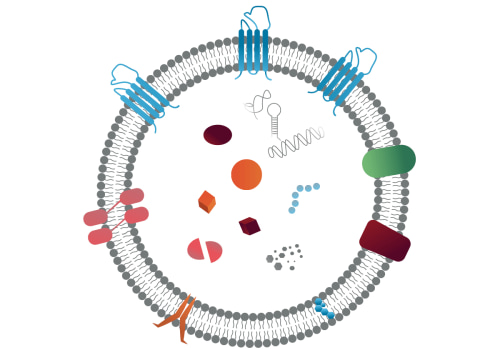
Exosomes are small extracellular vesicles, typically ranging from 30 to 150 nanometers in diameter, that play a pivotal role in intercellular communication. They are secreted by various cell types, including stem cells, and contain a complex mixture of proteins, lipids, and nucleic acids. This unique composition allows exosomes to facilitate the transfer of molecular signals between cells, thereby influencing numerous biological processes.In the context of stem cell therapy, exosomes are emerging as critical mediators of the therapeutic effects attributed to stem cells.When stem cells are administered into the body, they do not merely replace damaged cells; rather, they release exosomes that carry bioactive molecules capable of modulating the local environment. These exosomes can promote tissue repair, reduce inflammation, and enhance cellular regeneration, making them invaluable in combating age-related conditions.
The Role of Exosomes in Stem Cells
Exosomes derived from stem cells have been shown to possess regenerative properties that can significantly impact the aging process. They contain growth factors and cytokines that stimulate cellular proliferation and differentiation. Additionally, exosomes can help to re-establish homeostasis in aged tissues by promoting angiogenesis—the formation of new blood vessels—which is crucial for delivering nutrients and oxygen to damaged areas.Moreover, exosomes play a role in modulating the immune response.
As we age, our immune system often becomes less effective due to chronic inflammation and senescence. Exosomes can help mitigate these effects by promoting an anti-inflammatory environment and enhancing the function of immune cells.
Exosome Therapy: A New Frontier
Exosome therapy is gaining traction as a promising approach in regenerative medicine. By isolating and administering exosomes from healthy stem cells, researchers aim to harness their regenerative potential without the need for whole cell transplantation. This method not only reduces the risk of complications associated with stem cell therapy but also offers a more targeted approach to treating age-related ailments.Studies have indicated that exosome therapy can improve skin elasticity, reduce wrinkles, and enhance overall skin appearance—factors often associated with aging.
Furthermore, ongoing research is exploring the potential of exosome therapy in treating neurodegenerative diseases and cardiovascular conditions linked to aging.
Exosomes and Aging
The relationship between exosomes and aging is an area of active investigation. As we age, the quantity and quality of exosomes produced by our cells may decline, contributing to impaired cellular communication and regeneration. Understanding how to enhance exosome production or mimic their effects could lead to innovative strategies for reversing or slowing down the aging process.In conclusion, exosomes represent a fascinating frontier in stem cell research and therapy. Their ability to mediate communication between cells positions them as key players in regenerative medicine, particularly for age-related conditions.
As research continues to unfold, exosome-based therapies may offer new hope for enhancing longevity and improving quality of life as we age.
How Exosomes Contribute to Anti-Aging Effects
Exosomes, which are nano-sized extracellular vesicles secreted by various cell types, including stem cells, have emerged as pivotal players in the field of regenerative medicine and anti-aging therapies. These vesicles are rich in proteins, lipids, and nucleic acids, and they facilitate intercellular communication by transferring their molecular cargo to target cells. This unique ability positions exosomes as a promising avenue for combating the effects of aging.One of the primary ways exosomes contribute to anti-aging effects is through their regenerative properties. When stem cells release exosomes, they carry growth factors and cytokines that can stimulate cellular repair and regeneration in damaged tissues.For instance, studies have shown that exosomes derived from mesenchymal stem cells (MSCs) can enhance the proliferation and migration of fibroblasts, which are crucial for skin repair and rejuvenation. This process not only aids in wound healing but also helps to restore the skin's elasticity and firmness, thereby reducing visible signs of aging.Moreover, exosomes play a significant role in reducing inflammation , a key contributor to the aging process. Chronic inflammation can lead to cellular damage and accelerate aging; however, exosomes have been found to possess anti-inflammatory properties. They can modulate immune responses by inhibiting pro-inflammatory cytokines and promoting the secretion of anti-inflammatory mediators.
This dual action helps create a more balanced microenvironment conducive to cellular health and longevity.Additionally, exosomes facilitate the transfer of microRNAs , which are small non-coding RNA molecules that regulate gene expression. By delivering specific microRNAs to target cells, exosomes can influence various biological processes related to aging, such as apoptosis (programmed cell death) and senescence (the process by which cells lose their ability to divide). This targeted delivery mechanism allows for precise modulation of cellular functions that are often disrupted during aging.In summary, the anti-aging effects of exosomes derived from stem cells are multifaceted. Their ability to promote tissue regeneration, reduce inflammation, and deliver regulatory molecules makes them a powerful tool in the quest for effective anti-aging therapies.
As research continues to unfold, the potential applications of exosome-based treatments could revolutionise how we approach age-related conditions and enhance overall healthspan.
Current Research on Stem Cells and Exosomes in Age Reversal
Recent advancements in the field of regenerative medicine have sparked significant interest in the potential of stem cells and their derivatives, particularly exosomes, to combat the effects of aging. Numerous studies are currently underway to explore how these cellular components can mitigate age-related decline and enhance overall health.One notable area of research focuses on the role of exosomes, which are small extracellular vesicles secreted by stem cells. These vesicles play a crucial role in intercellular communication and are rich in proteins, lipids, and nucleic acids that can influence cellular behaviour. Recent studies have indicated that exosomes derived from mesenchymal stem cells (MSCs) possess anti-inflammatory properties and can promote tissue regeneration, making them a promising candidate for age-related therapies.For instance, a study published in the journal Stem Cells Translational Medicine demonstrated that MSC-derived exosomes could significantly reduce inflammation in aged mice models.The results showed improved skin elasticity and hydration, suggesting that exosome therapy could potentially rejuvenate aged tissues. This finding aligns with the hypothesis that exosomes may facilitate cellular repair mechanisms, thereby counteracting some signs of aging.Moreover, clinical trials are increasingly being conducted to assess the efficacy of stem cell therapies combined with exosome treatments. One such trial is investigating the use of exosomes in patients with age-related macular degeneration (AMD), a condition that leads to vision loss. Preliminary results indicate that patients receiving exosome therapy exhibit improved retinal function and reduced inflammation, highlighting the potential for exosomes to play a pivotal role in reversing age-related degeneration.In addition to ocular health, researchers are exploring the application of stem cell-derived exosomes in skin rejuvenation therapies.
A recent clinical trial evaluated the effects of topical application of exosomes on facial wrinkles and skin texture. Participants reported noticeable improvements in skin appearance after several weeks of treatment, further supporting the notion that exosomes can enhance skin health by promoting collagen synthesis and reducing oxidative stress.While these findings are promising, it is essential to approach the topic with caution. The field is still evolving, and more extensive clinical trials are necessary to fully understand the long-term effects and safety profiles of stem cell therapies and exosome treatments. Nevertheless, current research underscores a growing optimism regarding the potential of these innovative approaches to not only slow down but possibly reverse certain aspects of aging.
Challenges and Limitations of Stem Cell Therapy for Ageing
While the potential of stem cell therapy in combating the effects of aging is promising, several challenges and limitations must be addressed before it can be widely adopted as a mainstream treatment.Understanding these obstacles is crucial for both researchers and patients considering such therapies.One of the primary limitations of stem cell therapy is the variability in individual responses. Factors such as age, overall health, and genetic predispositions can significantly influence how effectively stem cells function in rejuvenating tissues. For instance, older individuals may have a diminished capacity for stem cell regeneration due to the accumulation of cellular damage over time, which can hinder the effectiveness of treatments.Moreover, the source of stem cells poses ethical dilemmas. The use of embryonic stem cells, while highly versatile, raises significant ethical concerns regarding the destruction of embryos.
This has led to a preference for adult stem cells or induced pluripotent stem cells (iPSCs), which are reprogrammed from adult somatic cells. However, these alternatives may not possess the same regenerative capabilities as their embryonic counterparts.Another challenge lies in the risk of complications. Stem cell therapies can lead to unintended consequences, such as immune rejection or the formation of tumours. The potential for tumorigenesis, particularly with iPSCs, necessitates rigorous screening and monitoring protocols to ensure patient safety.Furthermore, there is a lack of standardisation in treatment protocols.
Variability in how stem cells are harvested, processed, and administered can lead to inconsistent outcomes. This inconsistency complicates clinical trials and makes it difficult to establish universally accepted guidelines for treatment.Lastly, the regulatory landscape surrounding stem cell therapies is still evolving. Many countries have stringent regulations that can delay research and clinical applications. Navigating these regulations can be challenging for researchers and may hinder progress in developing effective anti-aging treatments.In conclusion, while stem cell therapy holds great promise for reversing some aspects of aging, addressing these challenges and limitations is essential for its successful integration into anti-aging medicine.
Ongoing research and ethical considerations will play a pivotal role in shaping the future of this innovative field.
Future Directions in Stem Cell Research and Ageing
The future of stem cell therapy holds immense promise, particularly in the realm of combating the effects of aging. As research progresses, scientists are increasingly optimistic about the potential breakthroughs that could redefine our understanding of regenerative medicine and its applications in age reversal therapies.One of the most exciting avenues of exploration is the role of exosomes , which are small vesicles secreted by stem cells. These exosomes carry a wealth of information, including proteins, lipids, and RNA, that can influence cellular behaviour and promote healing. Future studies may focus on harnessing these exosomes to develop targeted therapies that can rejuvenate aged tissues and enhance cellular function.Moreover, advancements in genetic engineering and biotechnology are paving the way for more effective stem cell treatments.Techniques such as CRISPR gene editing could allow researchers to modify stem cells at a genetic level, potentially enhancing their regenerative capabilities. This could lead to therapies that not only slow down the aging process but also reverse some of its effects by repairing damaged DNA or restoring youthful cellular functions.Another promising direction is the integration of biomaterials with stem cell therapy. By creating scaffolds that mimic the natural extracellular matrix, scientists can provide a supportive environment for stem cells to thrive and function optimally. This approach could significantly improve the efficacy of stem cell treatments in regenerating aged tissues.Furthermore, as our understanding of the aging process deepens, researchers are likely to identify specific biomarkers associated with cellular senescence.
This knowledge could lead to the development of personalized stem cell therapies tailored to individual patients based on their unique biological profiles.In conclusion, while we are still in the early stages of understanding how stem cells can combat aging, the future looks bright. With ongoing research into exosomes, genetic engineering, biomaterials, and personalized medicine, we may soon witness groundbreaking advancements that not only enhance our quality of life but also challenge the very notion of aging itself.
Frequently Asked Questions about Stem Cells and Exosomes
As interest in stem cells and their potential to combat aging grows, many questions arise regarding their functionality, particularly concerning exosomes. Below are some frequently asked questions that aim to clarify common misconceptions and provide valuable insights into these fascinating biological components.- What are exosomes?
Exosomes are small extracellular vesicles secreted by various cell types, including stem cells. They play a crucial role in cell communication by transporting proteins, lipids, and RNA between cells.This transfer of molecular information can influence the behaviour of recipient cells, making exosomes a key player in regenerative medicine.
- How do exosomes relate to stem cells?
Stem cells release exosomes that contain growth factors and other bioactive molecules. These exosomes can promote tissue repair and regeneration by modulating inflammation and enhancing cellular function. This mechanism is particularly relevant in the context of aging, as it suggests that stem cell-derived exosomes may help rejuvenate aged tissues. - Can exosomes reverse aging?
While exosomes themselves do not reverse aging, they can significantly contribute to the rejuvenation process. By delivering essential signals that promote healing and reduce inflammation, exosomes derived from stem cells may help mitigate some age-related decline in cellular function. - Are there any risks associated with stem cell therapies involving exosomes?
As with any medical treatment, there are potential risks.The use of stem cell therapies and their derivatives, such as exosomes, should be approached with caution. It is essential to consult qualified healthcare professionals and consider the regulatory status of such treatments in your region.
- What are common misconceptions about stem cell therapy?
One prevalent misconception is that stem cell therapy can completely reverse aging or cure all age-related diseases. While promising, current research indicates that stem cell therapies can improve quality of life and alleviate certain symptoms rather than provide a definitive cure for aging.
Conclusion: The Promise of Exosomes in Reversing Ageing through Stem Cell Therapy
In conclusion, the exploration of exosomes in the context of stem cell therapy presents a compelling avenue for addressing the challenges of aging.Throughout this article, we have delved into the multifaceted roles that stem cells play in rejuvenating aged tissues and combating the detrimental effects of chronic inflammation, which is often exacerbated by the aging process.Exosomes, as nano-sized extracellular vesicles secreted by stem cells, are emerging as critical mediators in cellular communication. They carry a rich cargo of proteins, lipids, and nucleic acids that can influence the behaviour of recipient cells. This unique property positions exosomes as potential therapeutic agents that can enhance the efficacy of stem cell treatments aimed at reversing age-related decline.One of the most significant findings is that exosomes derived from mesenchymal stem cells (MSCs) can promote tissue regeneration and modulate immune responses. By delivering growth factors and anti-inflammatory molecules directly to target cells, exosomes can help create a more conducive environment for healing and rejuvenation.
This targeted approach not only improves the effectiveness of stem cell therapies but also reduces potential side effects associated with systemic treatments.Moreover, the ability of exosomes to cross biological barriers, such as the blood-brain barrier, opens new possibilities for treating age-related neurological disorders. As research continues to uncover the mechanisms by which exosomes exert their effects, we may find innovative ways to harness their potential in regenerative medicine.While it is clear that stem cell therapy alone holds promise for mitigating some aspects of aging, the integration of exosome technology could significantly amplify these benefits. The synergy between stem cells and their exosomal products may pave the way for groundbreaking therapies that not only slow down but potentially reverse certain aging processes.In summary, as we stand on the brink of a new era in anti-aging research, the role of exosomes in enhancing stem cell therapy cannot be overstated. Continued investigation into this dynamic relationship will be crucial in developing effective strategies for age reversal and improving overall healthspan.