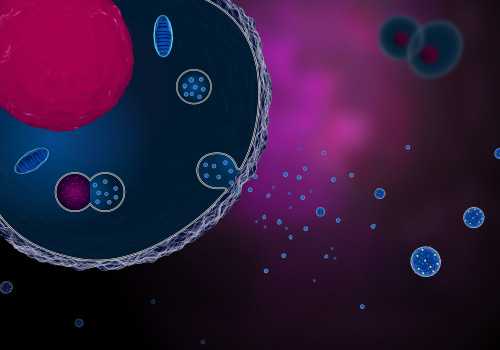
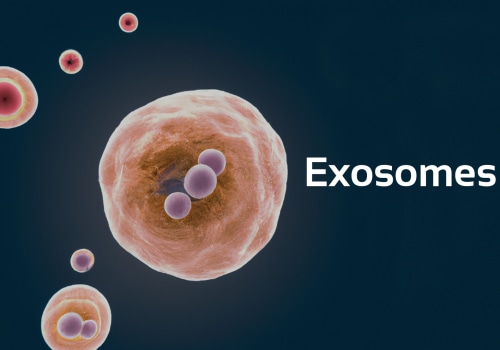
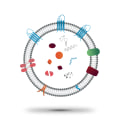
Exosomes are tiny extracellular vesicles that play a crucial role in cellular communication and regeneration. These nanometre-sized structures are secreted by various cell types and contain a rich cargo of proteins, lipids, and genetic material. Their primary function is to facilitate intercellular communication, allowing cells to share information and coordinate responses to environmental changes. In recent years, exosomes have garnered significant attention in the field of dermatology due to their remarkable potential in promoting skin health and rejuvenation.The benefits of exosomes for skin health are multifaceted.
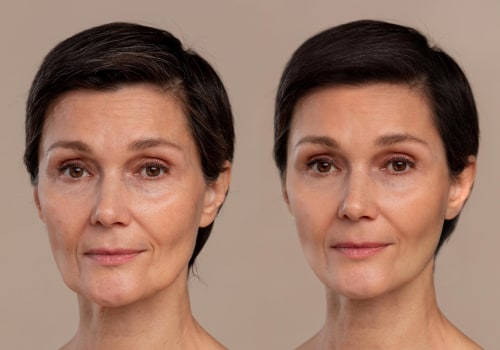
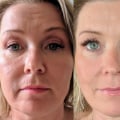
They are known to enhance the skin's natural repair mechanisms by stimulating collagen and elastin production, which are essential proteins for maintaining skin elasticity and firmness. As we age, the natural production of these proteins declines, leading to sagging skin and the formation of fine lines and wrinkles. By harnessing the regenerative properties of exosomes, skincare treatments can effectively combat these signs of aging, resulting in a more youthful appearance.Moreover, exosomes possess anti-inflammatory properties that can help soothe irritated skin and promote healing. This makes them particularly beneficial for individuals with conditions such as acne or rosacea, where inflammation plays a significant role.
The ability of exosomes to deliver growth factors directly to targeted areas further enhances their effectiveness in addressing various skin concerns, including pigmentation issues and scarring.As research continues to unfold, the potential applications of exosomes in skincare are becoming increasingly evident. From enhancing the efficacy of existing treatments to paving the way for innovative therapies, understanding how exosomes function is essential for anyone interested in achieving healthier, tighter skin. With their ability to rejuvenate and restore skin from within, exosomes represent a promising frontier in aesthetic medicine.
The Science Behind Exosomes: How They Work
Exosomes are tiny extracellular vesicles that play a pivotal role in intercellular communication. They are secreted by various cell types and contain a rich cargo of proteins, lipids, and nucleic acids, which are essential for cellular processes.The mechanism by which exosomes operate is intricate yet fascinating, particularly in the context of skin regeneration and rejuvenation.When exosomes are introduced into the skin, they interact with local cells, delivering their molecular contents directly to target cells. This process initiates a cascade of biological responses that promote healing and regeneration. The primary function of exosomes in skin therapy is to enhance collagen and elastin production, two critical proteins that contribute to skin elasticity and firmness.One of the key mechanisms through which exosomes exert their effects is by stimulating fibroblasts, the cells responsible for producing collagen. Upon receiving the signals from exosomes, fibroblasts increase their activity, leading to enhanced collagen synthesis.
This not only helps in tightening the skin but also improves its overall texture and appearance.Moreover, exosomes are rich in growth factors that facilitate tissue repair and regeneration. These growth factors can accelerate the healing process by promoting cell proliferation and migration to damaged areas. As a result, exosome therapy can significantly reduce the appearance of fine lines, wrinkles, and other signs of aging.In addition to collagen production, exosomes also play a role in modulating inflammation within the skin. By regulating inflammatory responses, they help create an optimal environment for healing and rejuvenation. This not only helps in tightening the skin but also improves its overall texture and appearance.Moreover, exosomes are rich in growth factors that facilitate tissue repair and regeneration. These growth factors can accelerate the healing process by promoting cell proliferation and migration to damaged areas. As a result, exosome therapy can significantly reduce the appearance of fine lines, wrinkles, and other signs of aging.In addition to collagen production, exosomes also play a role in modulating inflammation within the skin. By regulating inflammatory responses, they help create an optimal environment for healing and rejuvenation.
This anti-inflammatory effect is particularly beneficial for individuals with sensitive or reactive skin.The science behind exosome therapy is continually evolving, with ongoing research aimed at understanding their full potential in dermatology. Clinical studies have shown promising results, indicating that treatments incorporating exosomes can lead to noticeable improvements in skin quality and resilience.In summary, the mechanism of action of exosomes involves a complex interplay of cellular communication that promotes collagen production, enhances tissue repair, and reduces inflammation. As our understanding of these remarkable vesicles deepens, so too does their potential to revolutionise skincare treatments.
Exosomes and Skin Tightening: What the Research Says
Recent studies have increasingly focused on the role of exosomes in skin rejuvenation and tightening, revealing promising results that support their efficacy. Exosomes, which are nano-sized vesicles secreted by cells, play a crucial role in intercellular communication and have been shown to facilitate various regenerative processes in the skin.One notable study published in the Journal of Cosmetic DermatologyJournal of Cosmetic Dermatology examined the effects of exosome therapy on skin elasticity and firmness.The researchers found that patients who underwent treatment with exosomes exhibited a significant increase in collagen and elastin production compared to those who did not receive the therapy. This increase was quantitatively measured using ultrasound imaging, which demonstrated improved skin thickness and elasticity over a period of several months.Another clinical trial highlighted in the British Journal of Dermatology investigated the use of exosomes derived from stem cells in conjunction with microneedling. The results indicated that participants experienced a marked improvement in skin texture and tightness, with 80% reporting visible changes within just four weeks. The study concluded that exosome-enhanced microneedling could be a highly effective method for achieving tighter skin.Furthermore, a comparative analysis involving exosome therapy and traditional treatments such as platelet-rich plasma (PRP) revealed that exosomes provided superior outcomes in terms of patient satisfaction and collagen regeneration rates.
Participants treated with exosomes reported faster recovery times and more pronounced improvements in skin laxity.The regenerative properties of exosomes are attributed to their high concentration of growth factors, which stimulate cellular repair mechanisms and promote tissue regeneration. This is particularly beneficial for individuals seeking non-invasive solutions for skin tightening without the need for surgical intervention.In summary, the existing research supports the notion that exosomes can significantly contribute to skin tightening through enhanced collagen and elastin production. As more clinical trials emerge, the evidence base for exosome therapy continues to grow, solidifying its place as a revolutionary approach in aesthetic dermatology.
Comparing Exosome Therapy with Other Skin Treatments
When considering skin rejuvenation options, it is essential to understand how exosome therapy compares to other popular treatments such as platelet-rich plasma (PRP) and high-intensity focused ultrasound (HIFU). Each of these therapies has unique mechanisms and benefits, making them suitable for different skin concerns.Exosome Therapy vs.
PRPPlatelet-rich plasma (PRP) therapy involves drawing a small amount of blood from the patient, processing it to concentrate the platelets, and then injecting it back into the skin. The growth factors in PRP stimulate healing and collagen production. While PRP is effective, its results can vary significantly based on the individual’s health and the quality of the blood sample.In contrast, exosome therapy utilises exosomes derived from stem cells, which are rich in growth factors and proteins that facilitate cellular communication. This method not only promotes collagen production but also enhances skin regeneration more effectively than PRP.
Studies have shown that exosomes can lead to faster collagen regeneration rates, making them a compelling option for those seeking quicker results.
Exosome Therapy vs. HIFU
High-intensity focused ultrasound (HIFU) is a non-invasive treatment that uses ultrasound energy to stimulate collagen production deep within the skin. It is particularly effective for tightening sagging skin and improving overall texture. However, HIFU primarily targets deeper layers of the skin and may not address surface-level concerns such as pigmentation or fine lines as effectively as exosome therapy.When combined with exosome therapy, HIFU can yield even more impressive results.The ultrasound treatment prepares the skin by stimulating collagen production, while exosomes enhance healing and regeneration at a cellular level. This synergistic approach can lead to firmer, smoother skin with reduced downtime compared to standalone treatments.
Conclusion
Fractional Radiofrequency and Exosome Therapy: A Powerful Combination
In the realm of advanced skincare, the combination of fractional radiofrequency (RF) and exosome therapy has emerged as a groundbreaking approach to skin rejuvenation and tightening.Each method offers unique benefits, but when used together, they create a synergistic effect that enhances overall results, making them a popular choice for those seeking effective non-surgical solutions.
Understanding Fractional Radiofrequency
Fractional radiofrequency is a non-invasive treatment that utilises targeted RF energy to stimulate the deeper layers of the skin. This process promotes collagen and elastin production, which are essential for maintaining skin elasticity and firmness. The RF energy creates micro-injuries in the skin, triggering the body’s natural healing response. As a result, patients often experience improved skin texture, reduced fine lines, and enhanced overall skin tone.
The Role of Exosomes in Skin Regeneration
Exosomes are tiny vesicles that play a crucial role in cell communication and regeneration.
They are rich in growth factors and proteins that facilitate healing and tissue repair. When applied to the skin, exosomes can significantly enhance the body’s natural regenerative processes. They help to accelerate collagen synthesis and improve skin hydration, leading to a more youthful appearance.
The Synergy of RF Microneedling and Exosome Therapy
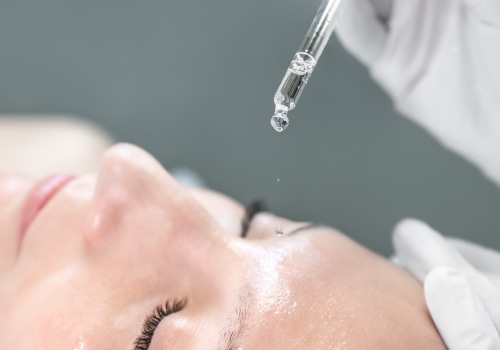
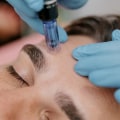
When fractional radiofrequency is combined with exosome therapy, the results can be transformative. The RF microneedling procedure creates micro-channels in the skin, allowing for deeper penetration of exosomes.
This not only maximises the delivery of growth factors but also enhances their effectiveness in promoting healing and rejuvenation.The benefits of this combined treatment include:
- Enhanced Collagen Production: The dual action of RF energy and exosomes leads to accelerated collagen regeneration, resulting in firmer skin.
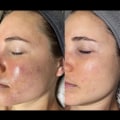
- Improved Skin Texture: Patients often report smoother skin with reduced appearance of scars and blemishes due to the regenerative properties of exosomes.
- Reduced Downtime: The combination treatment typically results in less downtime compared to traditional methods, allowing patients to return to their daily activities sooner.
- Long-lasting Results: The effects of this synergistic approach can be long-lasting, with continued improvements observed over several months as collagen production increases.
The Benefits of Using Exosomes in Skincare Routines
Incorporating exosomes into your daily skincare routine can yield a multitude of benefits, transforming the way your skin looks and feels. These tiny vesicles, derived from stem cells, are rich in growth factors and proteins that play a crucial role in skin regeneration and repair.One of the primary advantages of using exosomes is their ability to enhance collagen and elastin production. As we age, our skin naturally loses these essential proteins, leading to sagging and wrinkles.Exosomes stimulate fibroblasts, the cells responsible for producing collagen and elastin, resulting in firmer, more youthful skin over time.Moreover, exosomes possess remarkable regenerative properties. They facilitate cellular communication and promote healing by delivering vital signals to skin cells. This means that not only do they help in tightening the skin, but they also assist in reducing the appearance of scars, blemishes, and other imperfections. Regular use of exosome-infused products can lead to a more even skin tone and texture.Another significant benefit is their ability to enhance the effectiveness of other skincare ingredients.
When used in conjunction with serums or moisturisers, exosomes can improve absorption and efficacy, ensuring that your skin receives maximum nourishment. This synergistic effect can amplify the results of your entire skincare regimen.For those concerned about downtime associated with more invasive treatments, exosome therapy offers a non-surgical alternative with minimal recovery time. Many users report visible improvements within weeks of starting treatment, making it an appealing option for those seeking quick results without the need for extensive procedures.Incorporating exosomes into your daily routine is straightforward. Many products on the market now feature exosome technology, from serums to creams.
For optimal results, consider using these products twice daily as part of your morning and evening skincare rituals.In summary, the benefits of using exosomes in skincare are profound. From boosting collagen production to enhancing healing and improving product efficacy, exosomes represent a cutting-edge advancement in skincare technology. By adding exosome-based products to your regimen, you can unlock the potential for healthier, more radiant skin.
Potential Side Effects and Considerations When Using Exosomes
As with any innovative treatment, exosome therapy comes with its own set of potential side effects and considerations that patients should be aware of before undergoing the procedure. Understanding these factors is crucial for making informed decisions about skin rejuvenation options.While exosome treatments are generally considered safe, some individuals may experience mild to moderate side effects. comes with its own set of potential side effects and considerations that patients should be aware of before undergoing the procedure. Understanding these factors is crucial for making informed decisions about skin rejuvenation options.While exosome treatments are generally considered safe, some individuals may experience mild to moderate side effects.These can include:
- Redness and Swelling: Following the application of exosomes, it is common for the treated area to exhibit temporary redness and swelling. This reaction typically subsides within a few hours to a couple of days.
- Itching or Discomfort: Some patients report a sensation of itching or mild discomfort in the treated area. This is usually transient and can be managed with over-the-counter antihistamines if necessary.
- Bruising: In certain cases, especially when combined with microneedling or other invasive techniques, bruising may occur. This is generally minor and resolves on its own.
- Allergic Reactions: Although rare, some individuals may have an allergic reaction to the components used in exosome therapy.
It is essential to discuss any known allergies with your practitioner prior to treatment.
Factors such as skin type, age, and overall health can affect how one’s skin reacts to treatment. Therefore, it is advisable to have realistic expectations and engage in thorough discussions with your healthcare provider about what results you can anticipate.In conclusion, while exosome therapy offers promising benefits for skin rejuvenation and tightening, being aware of potential side effects and safety considerations is essential for a successful treatment experience. Always consult with a qualified professional to ensure that this innovative therapy aligns with your individual needs and health profile.
Frequently Asked Questions About Exosomes and Skin Tightening
As the interest in exosomes and their potential for skin tightening grows, many individuals have questions about how this innovative therapy works and what to expect. Below are some frequently asked questions that can help clarify common concerns.- What are exosomes?
Exosomes are tiny vesicles secreted by cells that play a crucial role in cell communication.They contain proteins, lipids, and genetic material that can influence the behaviour of other cells, making them a powerful tool in regenerative medicine.
- How do exosomes contribute to skin tightening?
Exosomes promote the production of collagen and elastin, two essential proteins that provide structure and elasticity to the skin. By enhancing these processes, exosomes can lead to firmer, more youthful-looking skin over time. - Is exosome therapy safe?
Yes, exosome therapy is generally considered safe when performed by qualified professionals. Since exosomes are derived from human cells or plants, they are biocompatible and typically have minimal side effects. - How long does it take to see results from exosome therapy?
Many patients begin to notice improvements within a few weeks of treatment, with optimal results often visible after several months as collagen production continues to increase. - Can exosome therapy be combined with other treatments?
Absolutely! Exosome therapy can be effectively combined with other non-surgical treatments such as fractional radiofrequency or microneedling to enhance overall results and accelerate skin rejuvenation. - How many sessions of exosome therapy are needed?
The number of sessions required varies depending on individual skin conditions and goals. A consultation with a qualified practitioner can help determine the best treatment plan for you. - Are there any side effects associated with exosome therapy?
Side effects are generally mild and may include temporary redness or swelling at the injection site.Serious complications are rare when the procedure is performed by an experienced professional.
Conclusion: The Future of Exosome Therapy in Aesthetic Treatments
As we draw our exploration of exosomes and their role in skin rejuvenation to a close, it is essential to reflect on the transformative potential these tiny vesicles hold for the future of aesthetic treatments. The advancements in exosome therapy signify a paradigm shift in how we approach skincare, moving beyond traditional methods to embrace a more regenerative and holistic strategy.The evidence supporting the efficacy of exosomes in promoting skin tightening and overall rejuvenation is compelling. With their ability to enhance collagen and elastin production, exosomes not only contribute to firmer skin but also address various skin concerns such as pigmentation, scarring, and signs of aging.This multifaceted approach positions exosome therapy as a frontrunner in non-surgical aesthetic treatments.Moreover, the integration of exosome therapy with other innovative techniques, such as fractional radiofrequency and microneedling, amplifies its benefits. By combining these modalities, practitioners can harness the synergistic effects that lead to accelerated healing and improved outcomes for patients. As clinical research continues to validate these methods, we can expect an increase in their adoption within aesthetic practices.Looking ahead, it is crucial for both practitioners and patients to stay informed about ongoing developments in exosome research. The field is rapidly evolving, with new formulations and applications emerging regularly.
As scientists delve deeper into the mechanisms of exosomes, we may uncover even more profound benefits that extend beyond aesthetics, potentially influencing areas such as wound healing and tissue regeneration.In conclusion, the future of exosome therapy in aesthetic treatments appears bright. With its promising results and growing body of evidence, exosome therapy is set to redefine skincare standards. As we continue to explore this exciting frontier, embracing innovation while prioritising safety and efficacy will be paramount in ensuring that patients receive the best possible care.