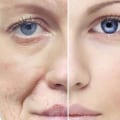
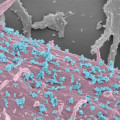
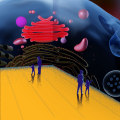
Stem cells are unique cells in the body that possess the remarkable ability to develop into various types of cells, serving as a natural repair system. They are primarily classified into two categories: embryonic stem cells, which can differentiate into any cell type, and adult stem cells, which are more limited in their potential but play a crucial role in maintaining and repairing tissues. In recent years, the focus has shifted towards mesenchymal stem cells , particularly those derived from the umbilical cord, due to their superior regenerative properties and minimal ethical concerns.In the realm of skin care, stem cells have emerged as a revolutionary approach to combat signs of aging, including wrinkles. As we age, our skin undergoes various changes such as decreased collagen production, reduced elasticity, and slower cell turnover.
These factors contribute to the formation of fine lines and wrinkles. By harnessing the power of stem cells, particularly through innovative treatments that utilise exosomes, we can stimulate the skin's natural healing processes and promote rejuvenation.Exosomes are tiny vesicles secreted by stem cells that carry proteins, lipids, and genetic material. They play a pivotal role in cell communication and can significantly enhance the regenerative effects of stem cell therapy. When applied to the skin, exosomes can help to boost collagen synthesis, improve hydration levels, and accelerate tissue repair.
This makes them an invaluable tool in the fight against wrinkles and other signs of aging.Understanding how stem cells work is essential for appreciating their potential in skin rejuvenation. By promoting cellular regeneration and enhancing the skin's natural repair mechanisms, stem cell therapies offer a promising avenue for those seeking to reduce wrinkles and restore youthful vitality to their complexion. As research continues to evolve, the integration of stem cell technology into cosmetic procedures is likely to become increasingly sophisticated, providing even more effective solutions for skin rejuvenation.
What Are Exosomes and How Do They Function?
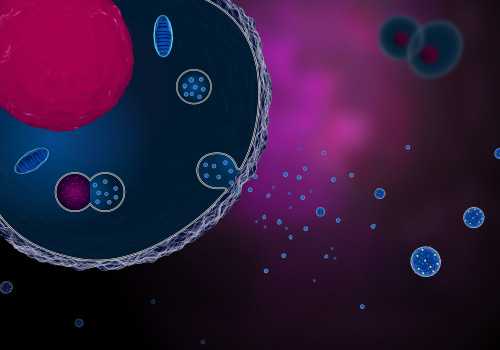
Exosomes are small extracellular vesicles that play a crucial role in intercellular communication. These nano-sized structures, typically ranging from 30 to 150 nanometers in diameter, are secreted by various cell types, including stem cells.They contain a rich cargo of proteins, lipids, and nucleic acids, which facilitate the transfer of molecular information between cells. This unique ability makes exosomes vital for numerous biological processes, including tissue repair and regeneration.One of the primary functions of exosomes is to mediate communication between cells. They act as messengers, delivering signals that can influence the behaviour of recipient cells. For instance, when stem cells release exosomes, these vesicles can carry growth factors and cytokines that promote healing and regeneration in surrounding tissues.
This mechanism is particularly significant in the context of skin rejuvenation and anti-aging therapies.In the realm of stem cell therapy, exosomes have garnered attention for their regenerative properties. Research indicates that exosomes derived from stem cells can enhance collagen production, improve skin elasticity, and reduce inflammation. This is particularly beneficial for individuals seeking to diminish the appearance of wrinkles and fine lines. By harnessing the power of exosomes, clinicians can potentially amplify the effects of traditional stem cell treatments.Moreover, exosomes play a pivotal role in modulating the immune response.
They can help to regulate inflammation and promote a more favourable environment for healing. This is especially important in cosmetic procedures where minimising inflammation can lead to quicker recovery times and better overall results.In summary, understanding exosomes is essential for appreciating their role in stem cell therapy and their potential to combat signs of aging such as wrinkles. As research continues to unfold, the therapeutic applications of exosomes are likely to expand, offering new avenues for skin rejuvenation and overall health.
The Connection Between Exosomes and Stem Cells
Exosomes are small extracellular vesicles that play a crucial role in cell communication and have emerged as a significant component in the field of regenerative medicine, particularly in conjunction with stem cells. These nano-sized vesicles are secreted by various cell types, including stem cells, and are rich in proteins, lipids, and genetic material.Their primary function is to facilitate intercellular communication, which is essential for maintaining cellular homeostasis and promoting tissue repair.When it comes to the relationship between exosomes and stem cells, exosomes act as mediators that enhance the therapeutic effects of stem cell therapy. They carry bioactive molecules that can influence the behaviour of target cells, thereby amplifying the regenerative potential of stem cells. For instance, when stem cells are administered to treat skin aging or wrinkles, the exosomes they release can stimulate surrounding skin cells to produce more collagen and elastin, leading to improved skin texture and elasticity.One of the key benefits of using exosomes in therapy is their ability to modulate inflammation. In many cases of skin aging, inflammation plays a significant role in the degradation of skin structure.
Exosomes derived from stem cells can help reduce this inflammation by delivering anti-inflammatory signals to the affected areas. This not only aids in reducing wrinkles but also promotes overall skin health.Moreover, exosomes have been shown to enhance the survival and integration of transplanted stem cells within the target tissue. By providing a supportive microenvironment, exosomes can improve the efficacy of stem cell treatments, making them more effective in combating signs of aging such as fine lines and sagging skin.In summary, the connection between exosomes and stem cells is pivotal for advancing skin rejuvenation therapies. The synergistic effects of these two components not only enhance the regenerative capabilities of stem cells but also offer a multifaceted approach to treating wrinkles and other signs of aging.
As research continues to unfold, the potential applications of exosome therapy in cosmetic dermatology are becoming increasingly promising.As research continues to unfold, the potential applications of exosome therapy in cosmetic dermatology are becoming increasingly promising.
How Exosome Therapy Can Help Reduce Wrinkles
Exosome therapy is emerging as a revolutionary approach in the field of anti-aging treatments, particularly for reducing wrinkles. Exosomes are tiny vesicles secreted by cells that play a crucial role in cell communication and regeneration. They contain proteins, lipids, and genetic material that can significantly influence the behaviour of surrounding cells, making them a powerful tool in skin rejuvenation.One of the primary mechanisms through which exosome therapy combats wrinkles is by enhancing collagen production. Collagen is a vital protein that provides structure and elasticity to the skin.As we age, collagen levels naturally decline, leading to the formation of fine lines and wrinkles. Exosomes derived from stem cells have been shown to stimulate fibroblasts, the cells responsible for collagen synthesis, thereby promoting a more youthful skin texture.In addition to boosting collagen, exosome therapy also aids in skin regeneration. The growth factors and cytokines present in exosomes can accelerate the healing process of damaged skin, improving overall skin tone and texture. This regenerative effect not only helps to diminish existing wrinkles but also prevents new ones from forming by maintaining skin health.Moreover, exosome therapy offers several other benefits that contribute to its effectiveness in wrinkle reduction:
- Enhanced Hydration: Exosomes can improve the skin's moisture retention capabilities, leading to plumper and more hydrated skin.
- Reduced Inflammation: The anti-inflammatory properties of exosomes help soothe irritated skin, which can exacerbate the appearance of wrinkles.
- Improved Skin Elasticity: By promoting cellular repair and regeneration, exosomes enhance the skin's elasticity, making it appear firmer and more resilient.
By harnessing the power of these cellular messengers, individuals seeking to reduce wrinkles can benefit from a treatment that not only addresses existing signs of aging but also promotes long-term skin health. As research continues to unfold, exosome therapy may well become a cornerstone in anti-aging skincare regimens.
Clinical Evidence Supporting Exosome Therapy for Skin Aging
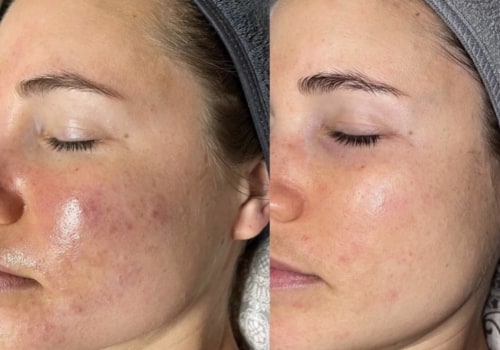
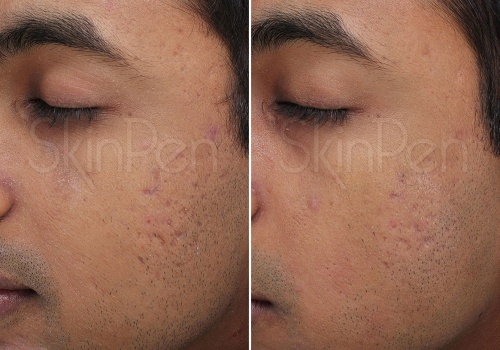
Recent clinical studies have begun to shed light on the potential of exosome therapy as a revolutionary approach to combat skin aging, particularly in reducing the appearance of wrinkles. Exosomes, which are nano-sized vesicles secreted by stem cells, play a crucial role in cell communication and regeneration. They carry proteins, lipids, and genetic material that can significantly influence skin health.One notable study published in the Journal of Cosmetic DermatologyJournal of Cosmetic Dermatology explored the effects of exosome therapy derived from human adipose-derived stem cells on facial wrinkles.The researchers conducted a double-blind, placebo-controlled trial involving 30 participants aged between 40 and 65. Over a period of three months, participants received exosome injections bi-weekly. The results indicated a marked improvement in skin elasticity and a reduction in wrinkle depth, with 80% of participants reporting visible enhancements in their skin texture.Another significant piece of research published in Stem Cells Translational MedicineStem Cells Translational Medicine focused on the anti-aging properties of exosomes in skin rejuvenation. This study highlighted how exosomes promote collagen synthesis and enhance the dermal matrix, leading to thicker and more resilient skin. The findings suggested that exosome therapy not only reduces existing wrinkles but also prevents the formation of new ones by stimulating the skin's natural regenerative processes.Furthermore, a clinical trial conducted by a leading dermatology clinic examined the long-term effects of exosome therapy on skin aging.
Participants who underwent treatment showed sustained improvements in skin hydration and elasticity even six months post-therapy. This long-lasting effect is attributed to the continuous stimulation of fibroblast activity, which is essential for collagen production.The evidence supporting the efficacy of exosome therapy for reducing wrinkles is compelling. As more clinical studies emerge, it becomes increasingly clear that exosomes could represent a significant advancement in aesthetic medicine. Their ability to harness the body’s natural healing mechanisms offers a promising avenue for those seeking non-invasive solutions to combat signs of aging.
Comparing Exosome Therapy to Traditional Anti-Aging Treatments
As the quest for youthful skin continues, many individuals are exploring various anti-aging treatments.Among these, exosome therapy has emerged as a revolutionary alternative to traditional methods such as fillers and Botox. Understanding the differences between these approaches can empower consumers to make informed choices about their skincare.
Traditional Anti-Aging Treatments
- Fillers: Dermal fillers are designed to restore volume and smooth out wrinkles by injecting substances like hyaluronic acid into the skin. While effective for immediate results, fillers often require regular maintenance and can lead to complications such as lumps or unevenness.
- Botox: This neurotoxin temporarily paralyzes muscles to reduce the appearance of fine lines and wrinkles. Although Botox can provide quick results, its effects are temporary, necessitating repeat treatments every few months.
Additionally, some individuals may experience side effects such as bruising or headaches.
Exosome Therapy: A New Frontier
In contrast, exosome therapy utilises the natural healing properties of stem cells. Exosomes are tiny vesicles released by stem cells that contain proteins, lipids, and genetic material essential for cell communication and regeneration. This therapy promotes skin rejuvenation at a cellular level, offering several advantages over traditional treatments:
- Natural Regeneration: Exosome therapy encourages the body’s own healing processes, leading to more natural-looking results without the need for synthetic substances.
- Long-Lasting Effects: Unlike fillers and Botox, which require frequent touch-ups, exosome therapy can provide longer-lasting improvements in skin texture and elasticity.
- Minimal Downtime: Patients typically experience less downtime with exosome therapy compared to traditional methods, allowing them to return to their daily activities sooner.
- Reduced Risk of Complications: As a more natural approach, exosome therapy carries a lower risk of adverse reactions compared to injectables.
Potential Risks and Considerations of Exosome Therapy
As with any medical treatment, exosome therapy comes with its own set of potential risks and considerations that individuals should be aware of before proceeding.Understanding these factors is essential for making an informed decision about whether this innovative approach to wrinkle reduction and skin rejuvenation is right for you.
1.Possible Side Effects
- Injection Site Reactions: Common side effects may include redness, swelling, or bruising at the injection site. These reactions are typically mild and resolve on their own within a few days.
- Allergic Reactions: Although rare, some individuals may experience allergic reactions to the components of the exosomes or the carrier substances used during the procedure. Symptoms can range from mild itching to more severe reactions.
- Infection: As with any procedure that involves injections, there is a risk of infection. It is crucial to ensure that the treatment is performed in a sterile environment by qualified professionals.
- Inflammation: Some patients may experience temporary inflammation in the treated areas, which can lead to discomfort or swelling.
This usually subsides within a short period.
2.Long-Term Effects
The long-term effects of exosome therapy are still being studied. While many patients report positive outcomes, it is important to consider that the full spectrum of potential long-term side effects is not yet fully understood. Ongoing research aims to provide more clarity on how exosome therapy may affect skin health over time.
3.Considerations Before Treatment
- Medical History: Individuals with certain medical conditions or those who are pregnant or breastfeeding should consult with their healthcare provider before undergoing exosome therapy.
- Expectations: It is vital to have realistic expectations regarding the results of exosome therapy. While many patients experience significant improvements in skin texture and appearance, results can vary based on individual factors such as age, skin type, and overall health.
- Provider Credentials: Ensure that you choose a qualified and experienced practitioner for your treatment.
Research their credentials and read reviews from previous patients to gauge their expertise in administering exosome therapy.
What to Expect During an Exosome Treatment Session
Undergoing an exosome treatmentexosome treatment can be an exciting yet nerve-wracking experience for many. Understanding what to expect during the session can help alleviate any concerns and prepare you for the process ahead.Preparation for Exosome Therapy
- Before your appointment, it is essential to consult with your healthcare provider to discuss your medical history and any medications you are currently taking. This ensures that the treatment is safe and tailored to your needs.
- Avoid blood thinners, alcohol, and anti-inflammatory medications for at least a week prior to the treatment, as these can increase the risk of bruising and swelling.
- On the day of your appointment, arrive with a clean face, free from makeup or skincare products.
This allows for optimal application of the exosomes.
The Exosome Treatment Procedure
During the session, you will typically follow these steps:
- Consultation: Your practitioner will review your goals and expectations, ensuring that you are well-informed about the procedure.
- Skin Preparation: A topical anaesthetic may be applied to minimise discomfort during the treatment. This usually takes about 30 minutes to take effect.
- Application of Exosomes: The exosomes, derived from mesenchymal stem cells, are then applied to your skin using a microneedling device or through injection. This process helps deliver the exosomes deep into the dermal layers where they can stimulate collagen production and promote skin rejuvenation.
- Post-Treatment Care: After the application, your practitioner will provide specific aftercare instructions. This may include avoiding sun exposure, refraining from strenuous activities, and using gentle skincare products for a few days.
Aftercare and Recovery
Post-treatment, it is common to experience mild redness or swelling in the treated areas.
These effects typically subside within a few days. To enhance results and ensure proper healing:
- Stay hydrated and maintain a healthy diet rich in vitamins and antioxidants.
- Avoid hot showers, saunas, or intense workouts for at least 48 hours post-treatment.
- Follow up with your practitioner as recommended to monitor progress and discuss any concerns.
Frequently Asked Questions About Exosomes and Wrinkle Reduction
As the interest in exosomes and their potential for wrinkle reduction grows, many individuals have questions about how these cellular components work and what they can achieve. Below are some frequently asked questions that can help clarify the role of exosomes in skin rejuvenation.What are exosomes?
Exosomes are tiny vesicles secreted by cells, including stem cells, that play a crucial role in cell communication. They contain proteins, lipids, and genetic material that can influence the behaviour of other cells.In the context of skin care, exosomes derived from stem cells are believed to promote healing and regeneration, making them a promising option for reducing wrinkles.
How do exosomes help reduce wrinkles?
Exosomes contribute to wrinkle reduction by enhancing the skin's natural repair processes. They stimulate collagen production, which is essential for maintaining skin elasticity and firmness. Additionally, exosomes can improve blood circulation and promote the regeneration of skin cells, leading to a smoother and more youthful appearance.Are there any side effects associated with exosome therapy?
Exosome therapy is generally considered safe, especially when derived from umbilical cord stem cells. However, as with any medical treatment, there may be some risks involved.Common side effects can include mild swelling or redness at the injection site. It is essential to consult with a qualified practitioner to discuss potential risks and benefits.
Can anyone benefit from exosome therapy for wrinkles?
Most individuals experiencing signs of aging, such as fine lines and wrinkles, can benefit from exosome therapy. However, those with specific skin conditions or underlying health issues should consult a healthcare professional to determine if this treatment is suitable for them.What are some common myths about stem cell therapy?
- Myth: Stem cell therapy is only for severe skin conditions.
- Fact: While it can address severe issues, it is also effective for general anti-aging purposes.
- Myth: All stem cell therapies are the same.
- Fact: The source of stem cells (e.g., umbilical cord vs. adipose tissue) significantly affects their efficacy.
- Myth: Exosome therapy is unproven and experimental.
- Fact: Research is ongoing, but many studies support the effectiveness of exosomes in skin rejuvenation.
As research continues to evolve, the potential for exosome therapy in cosmetic applications looks promising.
Conclusion: The Future of Exosome Therapy in Anti-Aging Treatments
As we draw our exploration of exosome therapy in the realm of anti-aging treatments to a close, it is essential to reflect on the significant advancements and potential that this innovative approach holds for the future of skincare. The ability of exosomes to facilitate cellular communication and regeneration positions them as a promising tool in combating the visible signs of aging, particularly wrinkles and skin texture deterioration.Throughout this article, we have delved into how exosomes derived from stem cells can enhance collagen production, promote skin elasticity, and improve overall skin health. These tiny vesicles are not merely byproducts of cellular activity; they are pivotal players in the regenerative processes that can rejuvenate aged skin. By harnessing the power of exosomes, we can potentially unlock new pathways for effective anti-aging treatments that go beyond traditional methods.Looking ahead, the future of exosome therapy appears bright.Ongoing research is likely to yield even more refined techniques for isolating and utilising exosomes, making treatments more accessible and effective. As scientists continue to uncover the intricate mechanisms through which exosomes operate, we may see a surge in clinical applications tailored specifically for various skin types and conditions.Moreover, the integration of exosome therapy with other regenerative treatments, such as PRP (Platelet-Rich Plasma) , could lead to synergistic effects that enhance overall results. This combination may provide patients with a comprehensive solution for not only reducing wrinkles but also improving skin tone and texture.In conclusion, while we are still in the early stages of understanding the full potential of exosome therapy in anti-aging treatments, the evidence thus far is compelling. As technology advances and our knowledge deepens, it is likely that exosome-based therapies will become a cornerstone of aesthetic medicine, offering individuals a pathway to achieve youthful, vibrant skin without invasive procedures.The journey towards effective anti-aging solutions is ongoing, and with exosomes at the forefront, we are poised to witness a revolution in how we approach skincare and rejuvenation.